Navigating the landscape of China plastic injection mold manufacturing in 2026 presents a unique blend of enduring opportunity and evolving complexity. For overseas buyers, the value proposition remains compelling: access to advanced manufacturing capabilities, extensive supply chain integration, and competitive pricing. However, the path to a successful procurement outcome is no longer just about finding the lowest quote. It demands a strategic, informed approach to supplier verification, communication, and quality control. This guide cuts through the noise to provide actionable, professional insights for importers aiming to build reliable, long-term partnerships with Chinese mold factories in the current industrial climate.
Mastering Supplier Verification Beyond the Website
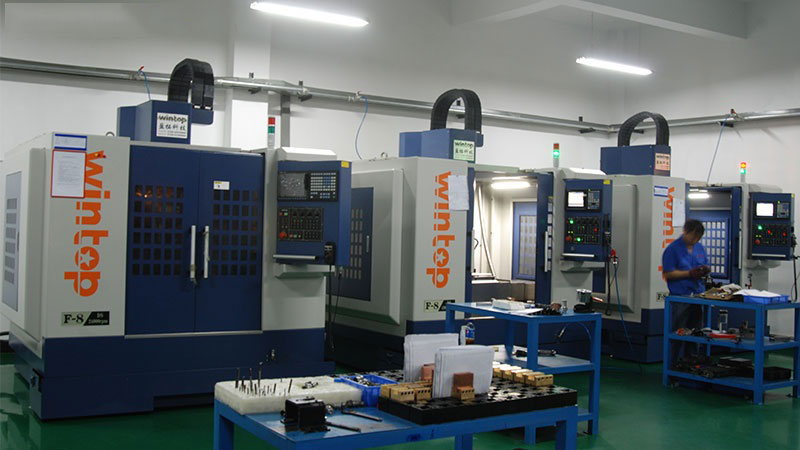
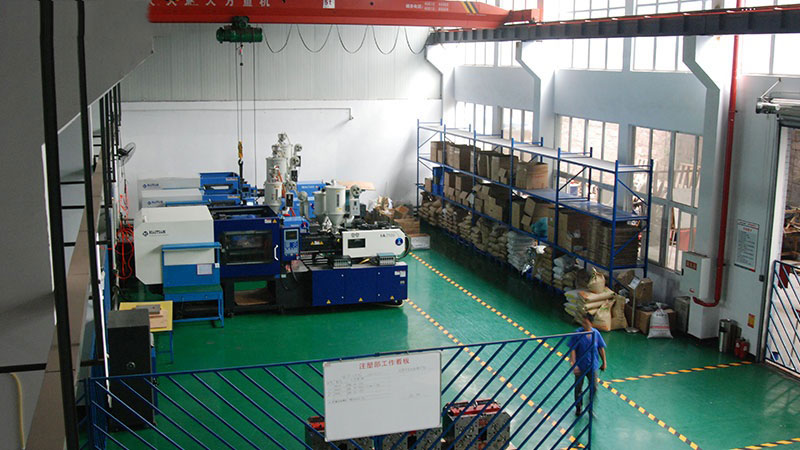
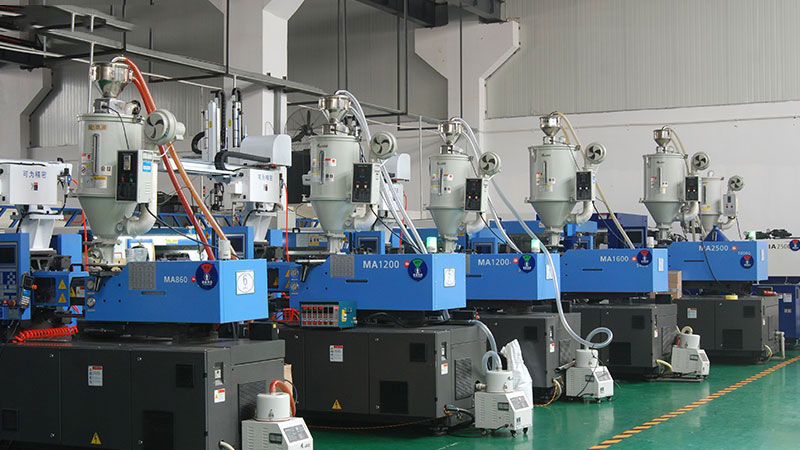
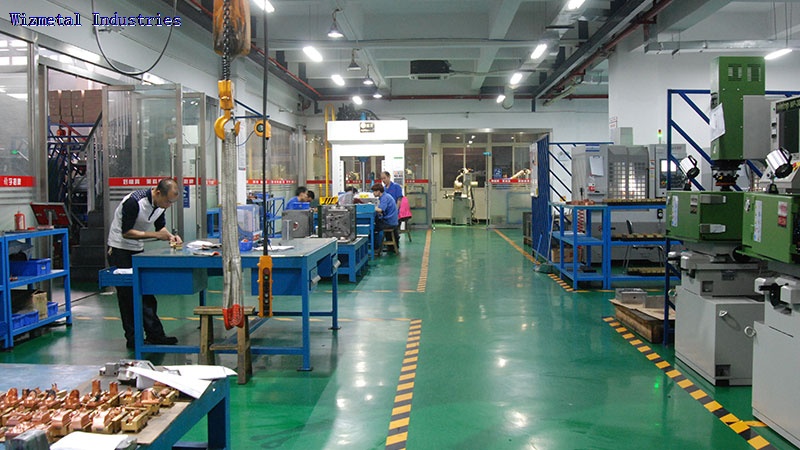
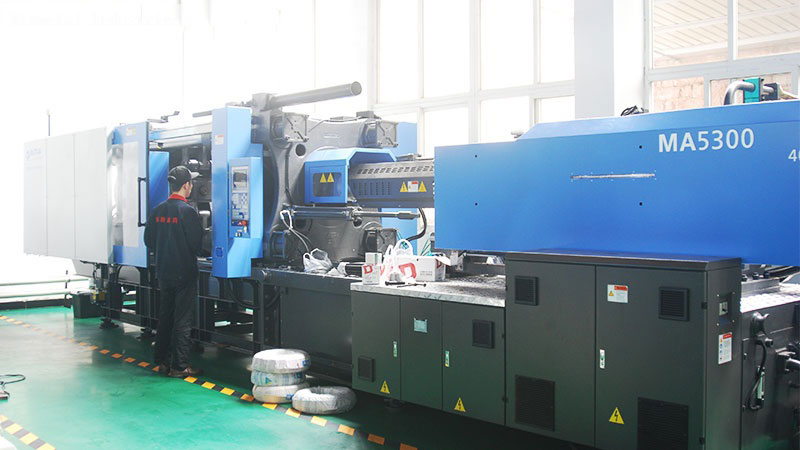
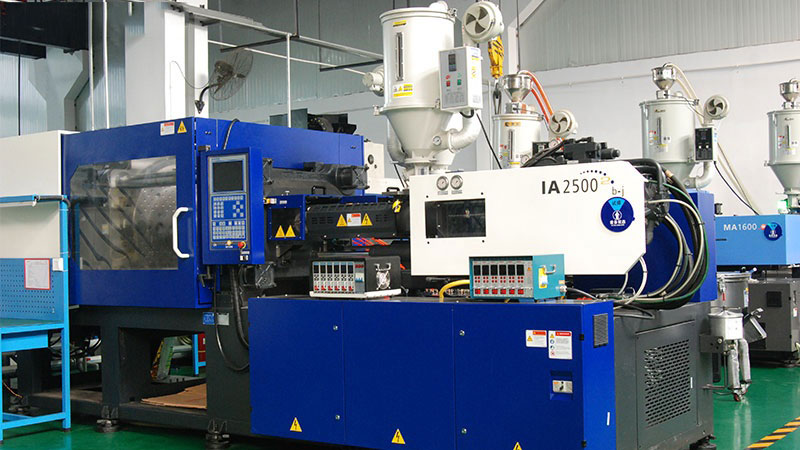
The initial search on B2B platforms will yield hundreds of self-proclaimed top-tier China mold factories. Your first critical task is deep verification. Move beyond glossy website galleries. In 2026, due diligence is digital and tangible. Start by cross-referencing business licenses (look for the Unified Social Credit Code) with official Chinese databases. Demand video tours of their facility; a live walkthrough of the workshop floor showing active CNC, EDM, and mold testing machines is more valuable than any brochure. Specifically ask for and contact references from past overseas clients in your region or industry. Furthermore, scrutinize their engineering team’s structure. A reliable China plastic injection mold manufacturer will have a dedicated project management and design engineering team that interfaces with clients, not just shop floor technicians. This layer of professional oversight is non-negotiable for translating your specifications into a precision tool.
The Engineering Handshake: DFM and Technical Dialogue
A defining characteristic of a proficient partner is their proactive engagement in Design for Manufacturability (DFM). After initial contact, provide a preliminary 3D model and request a formal DFM report. This document is your first real insight into their technical competency. It should detail suggestions on draft angles, wall thickness optimization, gate location, cooling channel design, and material selection specific to your part’s function. A supplier that simply quotes without a DFM is a significant red flag. In 2026, leading manufacturers utilize sophisticated mold flow analysis software as a standard part of their quotation package. They should be able to simulate filling, cooling, and warpage to predict and prevent defects before steel is ever cut. Treat the technical review stage as a collaborative engineering handshake; a partner who asks insightful questions and provides data-driven recommendations is investing in the project’s success.
Structuring Contracts and Phased Payments for Mutual Security
A clear, detailed contract is your fundamental safeguard. It must go beyond price and delivery time. Specify all technical standards: mold life expectancy (e.g., 500,000 shots), cavity material grade (pre-hardened steel, H13, etc.), surface finish requirements (SPI standards), and tolerances. Crucially, define the milestone-based payment schedule. A standard and secure structure might be: 30-40% deposit upon order confirmation, 30-40% upon approval of mold trial samples (First Article Inspection), and the balance before shipment. This aligns incentives perfectly. The manufacturer is motivated to progress to the trial stage efficiently, and you retain leverage until you have verified the mold’s output meets your agreed-upon standards. Always include provisions for intellectual property protection, confidentiality, and the ownership of design files. Clarity here prevents costly disputes and ensures a professional procurement process.
Implementing a Robust Quality Control Protocol
Quality cannot be an afterthought; it must be engineered into the process from day one. Mandate a documented Quality Control Plan (QCP). This should include staged inspection points: material certification for the steel, in-process inspections during machining (like CMM reports for critical core and cavity dimensions), and a formal First Article Inspection (FAI) after the initial mold trials. For high-value or high-volume projects, engaging a local third-party quality inspection firm to conduct pre-shipment audits is a wise investment. They can perform dimensional checks, functionality tests, and short-run production trials on your behalf. Furthermore, discuss the mold trial process explicitly. You should receive a comprehensive trial report with photos, videos of the molding process, and samples from the trial shots. This allows you to evaluate the part quality and the mold’s performance under simulated production conditions before it leaves the factory.
Navigating Logistics and Post-Sales Support
The journey does not end when the mold is shipped. Understand the Incoterms clearly—FOB Shanghai is common, but clarify responsibilities for inland freight, port fees, and export documentation. Ensure the China plastic injection mold manufacturer provides a complete mold manual, including assembly drawings, maintenance instructions, and a list of spare parts. Discuss post-sales support terms. What is their policy on warranty? Typically, a 12-24 month warranty against manufacturing defects is standard. How will they handle technical support for troubleshooting during your production ramp-up? A reputable supplier will offer remote support and be willing to supply critical spare parts like lifters, ejector pins, or even entire core inserts promptly. Establishing these protocols upfront ensures a smooth transition into production and a sustainable, long-term partnership.
Conclusion
Importing injection molds from China in 2026 is a strategic endeavor that rewards diligence, technical collaboration, and structured process management. The goal is to transform a transactional purchase into a collaborative partnership with a verified, capable China mold factory. By executing rigorous supplier verification, engaging deeply in the DFM process, structuring secure contracts, implementing hands-on quality control, and planning for long-term support, overseas buyers can mitigate risks and fully capitalize on the expertise and efficiency that the Chinese manufacturing sector offers. The competitive edge lies not in finding the cheapest supplier, but in expertly identifying and partnering with the right one.
Work With Us
As a professional China mold manufacturer, we provide one-stop mold solution for overseas buyers.
📞 Phone: +86-18605944639
💬 WhatsApp: +8618605944639
🌐 Website: bestmoldworks.com
📧 Email: [email protected]