For global engineers and procurement specialists, sourcing a high-quality custom molded part represents a critical path to product innovation and cost efficiency. China remains the world’s premier hub for mold manufacturing and injection molding, offering unparalleled expertise and scalability. However, navigating this vast market to find a reliable partner requires a strategic approach. This guide provides actionable, expert-level tips for 2026, designed to help overseas buyers successfully procure durable, precision molds and achieve flawless production runs with a trusted China mold factory.
The cornerstone of a successful project is a meticulously prepared technical package. Before contacting any supplier, invest time in developing comprehensive documentation. This should include detailed 3D CAD files (STEP or IGS format), fully dimensioned 2D drawings with critical tolerances clearly called out, and a thorough specification sheet. The sheet must cover the custom molded part material (e.g., ABS, PC, Nylon with specific grade), color requirements, expected annual volumes, and key functional criteria such as load-bearing needs, chemical resistance, or cosmetic standards. Providing this level of detail upfront filters out suppliers incapable of handling complex work and ensures all quotations are based on identical parameters, enabling a true apples-to-apples cost and capability comparison.
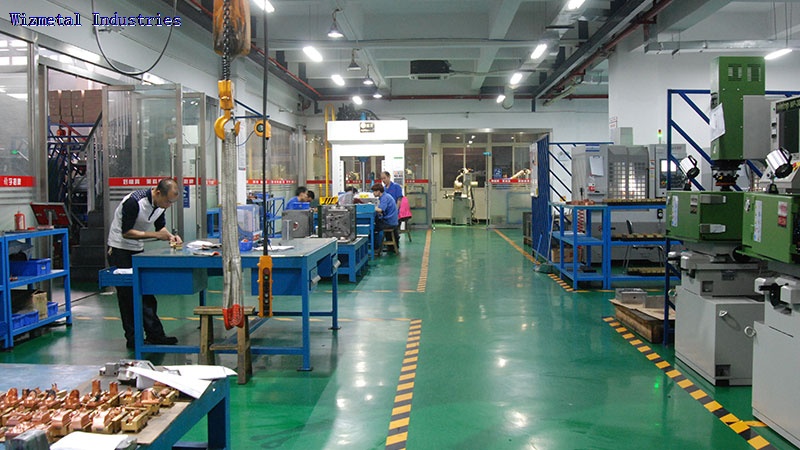
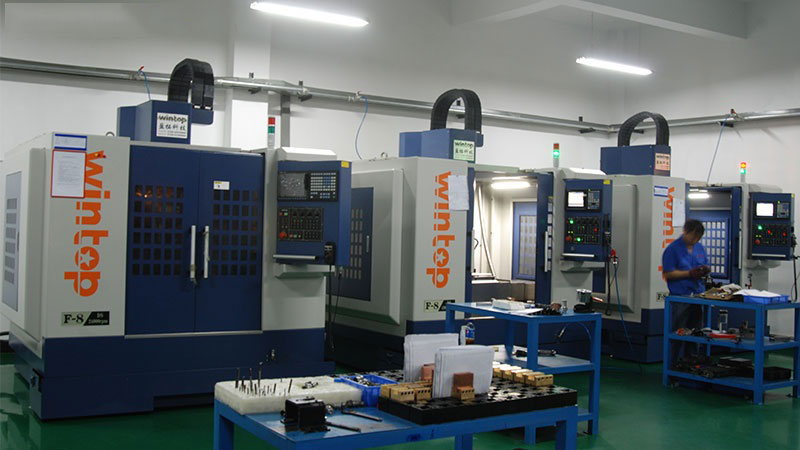
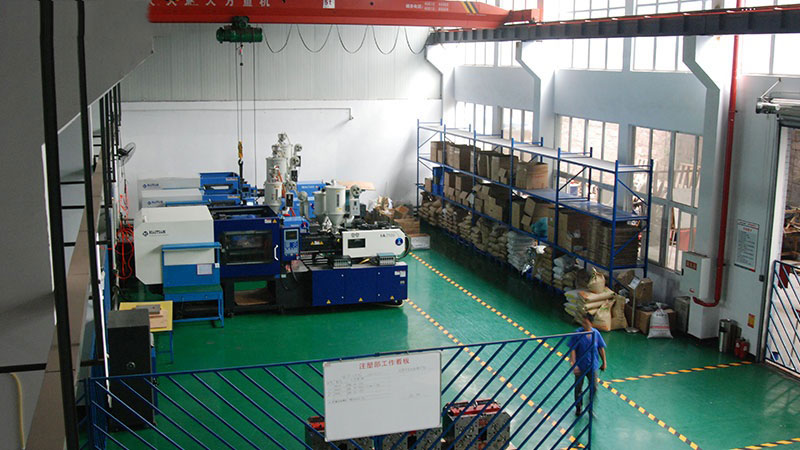
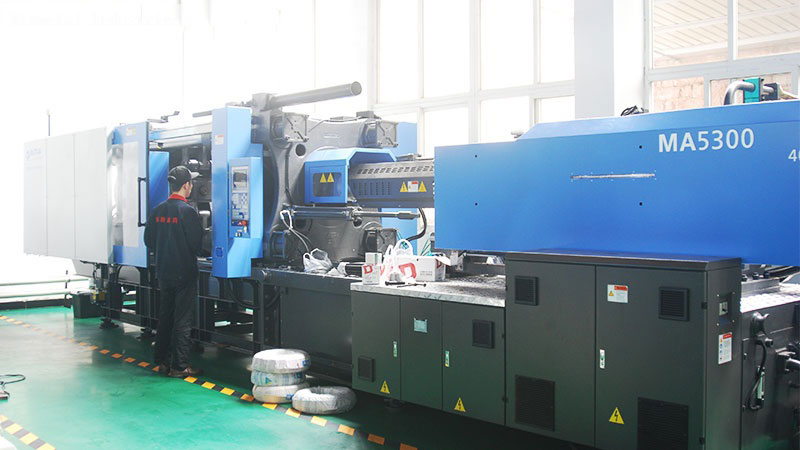
With a solid RFQ package, the next phase is rigorous supplier verification. Moving beyond Alibaba listings is crucial. Prioritize manufacturers with a proven track record in your industry, whether automotive, medical, consumer electronics, or industrial goods. A credible China mold factory will readily provide case studies and client references. Conduct virtual factory tours to assess their machinery—look for modern CNC, EDM, and CMM equipment. Critically evaluate their in-house injection molding capabilities; a supplier that builds the mold and runs production under one roof maintains greater control over the final part quality and simplifies accountability. This step is not just about checking boxes but understanding their engineering depth and project management流程.
The procurement process for an injection mold is where transparency is paramount. Be wary of quotes that seem unusually low; they often signal corner-cutting on steel quality, machining time, or essential components like cooling channels and ejector systems. A professional breakdown should separate mold cost from part piece price. Discuss mold steel grades (e.g., P20, H13, S136 for corrosion resistance), cavity life expectancy, and maintenance terms. Clearly define the mold trial process: how many trial shots are included, how will trial samples be shipped, and what is the protocol for design modifications after trials? Establishing these protocols in the purchase order prevents costly misunderstandings and ensures the injection mold is built for longevity, not just a single production run.
Active quality control integration throughout the manufacturing cycle is non-negotiable. Do not relegate QC to a final pre-shipment inspection. Require your supplier to implement a First Article Inspection (FAI) report after initial mold trials, comparing a sample part against all drawing dimensions. For ongoing production, specify the use of Statistical Process Control (SPC) charts to monitor critical part dimensions. For higher-risk projects, engaging a trusted third-party quality inspection firm in China for during-production checks (DPI) is a highly effective safeguard. They can audit the production line, check random samples from the batch, and verify packaging before the goods leave the factory, giving you peace of mind and leverage to address issues before shipment.
Effective communication and intellectual property protection form the bedrock of a lasting partnership. Ensure there is a dedicated, technically proficient project manager on the supplier side who communicates in clear English (or your preferred language) with regular updates. Utilize shared platforms for drawings and revisions. Regarding IP, while China has strengthened its IP laws, practical steps are essential. Sign a comprehensive Non-Disclosure Agreement (NDA) before sharing sensitive designs. A reputable China mold factory will respect this. For absolute security, consider splitting the project: have one specialized factory build the high-value injection mold, then transfer it to a separate, audited molding shop for production, retaining ownership of the physical mold tooling at all times.
Importing molds from China in 2026 demands a blend of technical preparation, diligent partner selection, and proactive quality management. The goal is to transform the procurement journey from a cost-centric transaction into a collaborative engineering partnership. By following these expert tips—preparing detailed specs, verifying suppliers thoroughly, managing the procurement transparently, enforcing rigorous QC, and safeguarding your IP—you position your project for success. The right partner will not only deliver a precision custom molded part but will become a strategic asset in your supply chain, driving innovation and competitive advantage for years to come.
Work With Us
As a professional China mold manufacturer, we provide one-stop mold solution for overseas buyers.
📞 Phone: +86-18605944639
💬 WhatsApp: +8618605944639
🌐 Website: bestmoldworks.com
📧 Email: [email protected]