Blog

  • custom plastic mould manufacturers: Professional Buying 2026

    For overseas businesses, sourcing custom plastic injection molds from China remains a strategic move to achieve significant cost savings and access specialized manufacturing capabilities. However, the landscape is evolving. Professional buying in 2026 is less about finding the cheapest price and more about building intelligent, resilient, and transparent partnerships with the right China mold factory. This guide provides actionable, forward-looking strategies to navigate this complex procurement process successfully, ensuring you secure high-quality tooling that delivers long-term value.

    Mastering Strategic Supplier Verification

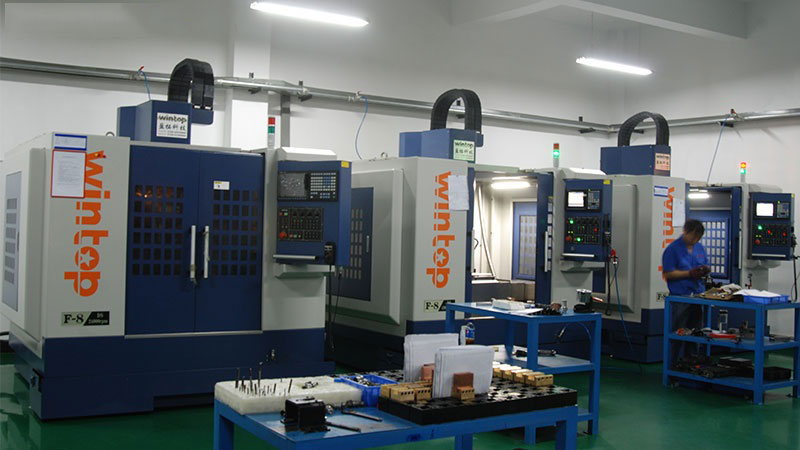
    The foundation of a successful import project is rigorous supplier verification, a step that has moved far beyond a simple website check. Begin with a deep-dive technical assessment. A professional custom plastic mould manufacturer should readily discuss your material selection, anticipated cycle times, cavity pressures, and cooling line design. Request detailed case studies of molds they have built for similar industries or product complexities. In 2026, leverage digital tools: initiate a video call for a virtual factory tour to inspect shop floor organization, machinery brands, and quality control stations. Verify business licenses and export credentials, but go further. Use international trade databases to confirm their history and consider third-party verification services for an unbiased audit. This due diligence filters out trading companies masquerading as factories and identifies partners with genuine engineering expertise.

    Clarifying Technical Specifications and Expectations

    Ambiguity in technical specifications is the primary cause of cost overruns, delays, and quality disputes. Your Request for Quotation must be an exhaustive technical document. Beyond part drawings, include a comprehensive mold specification sheet. This should cover the mold base standard, steel grade and hardness for each component, surface finish requirements, tolerance levels, gate type and location, ejection mechanism, and details for all actions. Specify your expectations for deliverables: are 3D mold design files, cooling line diagrams, and mold flow analysis reports included? Clearly define the approval process for each stage, from design review to T1 sample. This precision ensures all bidders are quoting on the same scope, allows for accurate comparison, and establishes a clear benchmark for the final quality control inspection.

    Implementing Proactive Quality Control Gates

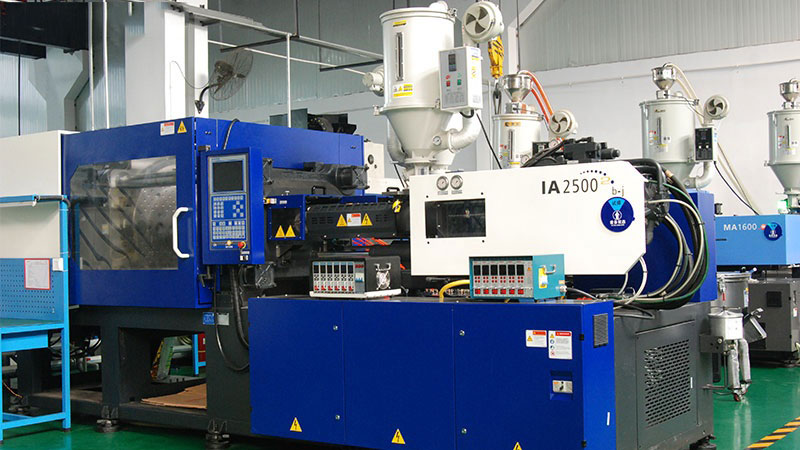
    Waiting until the mold is completed to inspect is a high-risk strategy. Professional procurement in 2026 involves staged, proactive quality control checkpoints integrated into the project timeline. Mandate and review the mold flow analysis report to preemptively address potential filling or warpage issues. Schedule critical inspections during the machining process, such as after the rough machining of the cavity and core or after heat treatment. This allows for corrections before significant value is added. For the final pre-shipment inspection, do not rely on pictures alone. Hire a reputable third-party quality inspection firm based in China to perform a dimensional check on the finished mold and witness a sample trial run on the injection molding machine. They can verify cycle times, part dimensions, and cosmetic quality against your agreed specifications, providing an objective report before the mold leaves the factory.

    Navigating Logistics and Intellectual Property Protection

    Securing a well-built mold is only half the battle; its safe arrival and legal protection are crucial. Discuss Incoterms 2020 explicitly with your China mold factory. FOB is common, but understand your responsibilities from the point of onward shipping, insurance, and import customs clearance. Ensure the supplier has experience in proper mold packaging for ocean freight to prevent rust or damage. Regarding intellectual property, a robust NDA is essential, but it must be enforceable. Register your designs in China where possible, as Chinese courts uphold these rights. Consider stipulating in the contract that all mold design and manufacturing data remain your property and must be deleted from the supplier’s systems post-project. For high-value tooling, some buyers opt to have the mold base purchased directly by them and supplied to the manufacturer for machining, retaining physical ownership of the core asset.

    Building a Partnership for Long-Term Value

    The most successful import relationships view the initial mold purchase as the start of a collaboration. A reliable partner among custom plastic mould manufacturers becomes an extension of your engineering team. Discuss future needs upfront: will you require spare parts, mold maintenance, or design modifications for future product generations? Evaluate their communication efficiency and project management transparency. In 2026, leading factories utilize cloud-based platforms for real-time project tracking, sharing progress photos, and documentation. This partnership mindset transforms the supplier from a transactional vendor into a strategic asset, ensuring not just a single successful project but a streamlined pipeline for future product development and manufacturing.

    Conclusion

    Importing injection molds from China with a professional approach in 2026 demands a blend of thorough verification, technical clarity, staged quality control, and strategic partnership building. By moving beyond price-centric sourcing to a value-driven methodology, overseas buyers can mitigate risks and unlock the full potential of Chinese manufacturing expertise. The goal is to establish a transparent, communicative relationship with a capable China mold factory, resulting in a high-precision tool that produces quality parts consistently for years to come, ultimately driving your product’s success in the global market.

    Work With Us

    As a professional China mold manufacturer, we provide one-stop mold solution for overseas buyers.
    📞 Phone: +86-18605944639
    💬 WhatsApp: +8618605944639
    🌐 Website: bestmoldworks.com
    📧 Email: [email protected]
  • plastic injection mould manufacturer in china: Profess 2026

    For overseas buyers, sourcing from a plastic injection mould manufacturer in China remains one of the most effective strategies to achieve significant cost savings without compromising on technical capability. However, the landscape is evolving rapidly. The era of simply finding the cheapest price online is over. In 2026, professional procurement is defined by strategic partnership, technological integration, and meticulous process control. This guide cuts through the noise to provide actionable, real-world advice for buyers aiming to secure high-quality injection molds from China, turning a complex overseas venture into a streamlined and successful operation.

    The foundation of any successful import project is rigorous supplier verification. Moving beyond Alibaba storefronts is your first critical step. A genuine China mold factory will have a tangible, operational presence. Insist on a live video tour of their facility. This is non-negotiable in 2026. Observe their machinery—are they using modern CNC, EDM, and high-speed milling equipment? Assess the shop floor organization; cleanliness and order often correlate with operational discipline. Crucially, request to speak directly with their project management and engineering team. A reliable partner will have English-speaking technical staff who can discuss your design, suggest Design for Manufacturability (DFM) improvements, and explain their quality control processes. Verify their business licenses and, for added assurance, consider a third-party verification service to confirm their legal and financial standing. This upfront investment in verification prevents catastrophic failures down the line.

    Once a potential partner is identified, mastering the technical and commercial dialogue is paramount. Your request for quotation (RFQ) package must be exceptionally detailed. Include not just 3D CAD files (STEP or IGS), but also fully annotated 2D drawings with critical dimensions, tolerances, surface finish specifications (SPI/VDI), and material selection for the final molded parts. Clearly state your expected mold life—500,000 shots versus 1 million shots dictates vastly different steel choices and hardening processes. In 2026, leading Chinese manufacturers expect this clarity. Discuss prototyping strategy: will they provide 3D-printed prototypes, soft-tool samples, or first-shot samples from the production mold? Understand their change order process and associated costs. A professional injection mold supplier will provide a transparent, line-itemized quote covering mold cost, sample cost, payment terms, and delivery schedule, turning vague estimates into a binding project plan.

    The single greatest concern for overseas buyers is maintaining quality control from a distance. In 2026, technology is your greatest ally. Stipulate a structured Quality Control (QC) protocol in your purchase agreement. This should include at minimum: a pre-production DFM report, mold flow analysis to predict filling and cooling, and first article inspection (FAI) reports on sample parts using Coordinate Measuring Machine (CMM) data. For critical milestones like T1 sample trials, arrange for a third-party QC agent to be physically present at the factory. Services like this are cost-effective and provide unbiased validation. Furthermore, demand real-time documentation. Insist on photos and videos of key stages: steel material certificates, heat treatment reports, cavity and core polishing, and assembly. A professional plastic injection mould manufacturer in china will proactively provide this evidence, building trust through transparency and making you a virtual participant in the build process.

    Navigating logistics and intellectual property (IP) protection requires a formalized approach. Ensure your contract, governed by a mutually acceptable legal framework (often Hong Kong law is chosen for international disputes), includes clear IP clauses. All your design files and mold ownership must be explicitly stated. For logistics, work with your supplier to determine the most efficient method—air freight for urgent prototypes, sea freight for the final mold. A competent China mold factory will handle export formalities (EXW, FOB, etc.), but you must engage a reliable freight forwarder experienced in handling heavy machinery and mold shipments. Proper wooden crate packaging with desiccant to prevent rust during transit is essential. Factor in lead times for shipping, customs clearance, and potential inspections to set realistic project timelines with your end-client.

    The final phase, transitioning from mold approval to sustained production, defines a true partnership. A comprehensive mold trial report from the supplier, including process parameters (injection speed, pressure, temperature, cycle time), is invaluable for replicating the process in your home country or for future production runs in China. Discuss post-sales support: what is their warranty period for workmanship and repair? Will they provide maintenance instructions? In the evolving market of 2026, the most forward-thinking suppliers offer digital handover packages, including a digital twin of the mold and maintenance logs. This level of service transforms a transactional purchase into a long-term asset for your business.

    Conclusion

    Importing injection molds from China in 2026 is a profession, not a gamble. It demands a shift from price-focused sourcing to value-driven partnership. The journey hinges on meticulous supplier verification, technically precise communication, technologically-enabled quality control, and ironclad contractual and logistical planning. By implementing these structured, actionable steps, you move beyond being just an overseas buyer to becoming a savvy global procurement specialist. You will not only mitigate the inherent risks of offshore manufacturing but will unlock the immense competitive advantage that a collaborative, professional Chinese mold-making partner can provide—superior engineering, cost efficiency, and a foundation for scalable production. Your success lies in treating the procurement process with the same precision and care that you expect in the final injection mold itself.

    Work With Us

    As a professional China mold manufacturer, we provide one-stop mold solution for overseas buyers.
    📞 Phone: +86-18605944639
    💬 WhatsApp: +8618605944639
    🌐 Website: bestmoldworks.com
    📧 Email: [email protected]
  • Custom molds for plastic: Complete Procurement Guide 2026

    For overseas businesses, sourcing custom molds for plastic represents a significant strategic advantage, offering unparalleled cost efficiency and manufacturing scalability. However, navigating the procurement landscape in China can be complex, with challenges ranging from supplier verification to consistent quality control. This guide is designed to cut through the noise, providing a clear, actionable framework for your procurement journey in 2026 and beyond. We will focus on practical steps to mitigate risk, ensure value, and build a successful partnership with a reputable China mold factory.

    The critical first step is systematic supplier verification and selection. Moving beyond simple Alibaba listings is essential in 2026. Begin by identifying manufacturers with proven expertise in your specific industry, whether automotive components, consumer electronics, or medical devices. Scrutinize their portfolio for projects of similar complexity to yours. A credible China mold factory will readily provide detailed case studies, client references (preferably from your region), and evidence of international standards compliance, such as ISO 9001. Utilize video conferencing for virtual factory tours; insist on seeing their machining centers (like CNC, EDM), mold trial areas, and quality lab. This due diligence separates true specialists from trading companies or under-equipped workshops, forming the bedrock of a reliable supply chain for your injection mold.

    Once a shortlist is established, mastering the technical and commercial quotation process is your next hurdle. A professional quotation for custom molds for plastic should be exhaustive, not just a single bottom-line price. Demand a breakdown that includes mold base material (e.g., P20, H13 steel), cavity and core material specifications, anticipated lifespan (number of shots), surface finish requirements (SPI standards), and all ancillary costs like T1 sample shipping and mold maintenance. Crucially, the design phase must be collaborative. Ensure your chosen supplier has competent engineering support to perform Design for Manufacturability (DFM) analysis. This review can identify potential issues in part design that would lead to molding defects, costly mold modifications, or reduced tool life, saving substantial time and money before steel is ever cut.

    The cornerstone of a successful project is a rigorous, multi-stage quality control protocol. Do not assume quality; build verification into every phase. Start with a First Article Inspection (FAI) report on the initial sample (T1) from the injection mold. This sample should be measured against your CAD drawings with a Coordinate Measuring Machine (CMM) report. Critical checkpoints include mold steel hardness certification and pre-shipment inspections that assess not just the molded parts, but the mold itself—checking for proper venting, cooling line efficiency, and action smoothness. For high-volume or precision parts, consider engaging a local third-party quality inspection firm in the mold factory’s region for impartial Pre-Shipment Inspections (PSI). This independent audit provides an objective assessment before the tooling is shipped, offering leverage and peace of mind.

    Effective procurement extends beyond the initial purchase to encompass logistics, intellectual property protection, and long-term partnership. Use clear Incoterms (like FOB Shanghai) to define responsibilities and costs. For mold shipping, professional crating is non-negotiable to prevent damage. Regarding Intellectual Property (IP), a well-drafted Non-Disclosure Agreement (NDA) and a product confidentiality clause within the purchase contract are mandatory. While absolute protection is challenging, working with established, reputable factories that value their own brand is your best defense. View the relationship strategically: a reliable partner for custom molds for plastic becomes an extension of your R&D and production team, facilitating future projects, rapid iterations, and ongoing maintenance support, ultimately driving your product’s success in the market.

    In conclusion, procuring an injection mold from China in 2026 demands a blend of meticulous preparation, technical collaboration, and proactive quality management. The landscape rewards buyers who invest time in thorough supplier verification, engage deeply in the design and quoting stages, implement stringent quality control checkpoints, and formalize agreements with clear communication. By following this structured approach, you transform the procurement process from a perceived risk into a powerful competitive edge. The goal is not merely to purchase a tool, but to secure a manufacturing asset and a technical partnership that delivers consistent, high-quality plastic components, fueling your product’s reliability and your company’s growth for years to come.

    Work With Us

    As a professional China mold manufacturer, we provide one-stop mold solution for overseas buyers.
    📞 Phone: +86-18605944639
    💬 WhatsApp: +8618605944639
    🌐 Website: bestmoldworks.com
    📧 Email: [email protected]
  • Custom Silicone Mold with Logo: Best Suppliers & Qualit 2026

    For overseas businesses, from startups to established brands, custom silicone products offer a powerful tool for branding, promotions, and product differentiation. The key to unlocking this potential lies in sourcing a high-quality **Custom Silicone Mold with Logo**. China remains the global epicenter for mold manufacturing, offering unparalleled expertise and cost efficiency. However, navigating the procurement landscape to find a reliable China mold factory requires a strategic approach. This guide for 2026 cuts through the noise, providing actionable solutions to secure not just a mold, but a partnership that guarantees quality, consistency, and value.

    The foundation of a successful import project is rigorous supplier verification. The term “supplier” encompasses a vast spectrum, from trading companies to dedicated mold factories. Your primary goal must be to identify and vet true manufacturers. Begin with a multi-platform audit. Utilize B2B platforms like Alibaba or Made-in-China, but scrutinize profiles for verifiable evidence of factory ownership—production videos, machine lists, and facility tours. Cross-reference this with independent searches and industry directories. The crucial step is to request a video conference call with a factory tour. A legitimate China mold factory will readily showcase its CNC machines, liquid silicone rubber (LSR) injection molding equipment, and quality control lab. This process filters out intermediaries, ensuring you communicate your **Custom Silicone Mold with Logo** specifications directly to the team that will execute them, minimizing errors and cost layers.

    Once a potential partner is identified, the focus shifts to technical clarity and prototyping. Ambiguity in design communication is a primary cause of failed projects. Provide your supplier with professional, dimensioned 2D drawings and 3D files (e.g., STEP, IGS) of your desired end product, not just a logo image. Specify critical details: the type of silicone (food-grade, medical-grade, hardness in Shore A), intended color (Pantone codes), and any post-processing requirements like painting or packaging. A reputable supplier will then engineer the mold itself. Discuss the mold type—single-cavity for low volumes or multi-cavity for efficiency—and the mold material (pre-hardened steel, aluminum). Insist on a prototype or 3D printed model before steel is cut. This allows for physical verification of logo clarity, texture, and ergonomics. Treat this stage as an investment, not a cost; it is your final checkpoint before committing to mass production tooling.

    Quality control is non-negotiable and must be structured in phases: pre-production, in-process, and pre-shipment. Your agreement should explicitly outline quality benchmarks. For a logo mold, this includes criteria for dimensional accuracy, flash (excess material), color consistency, and logo sharpness. Define the Acceptable Quality Level (AQL) for sampling inspections. Partner with a supplier that has in-house QC labs for basic material testing and dimensional checks. For high-stakes orders, engage a trusted third-party inspection service in China to conduct an independent Pre-Shipment Inspection (PSI) when at least 80% of the order is packed. The inspector will verify product quantity, workmanship, and compliance with your standards against the approved prototype. This objective checkpoint protects your investment and brand reputation, ensuring the delivered goods match the samples you approved.

    Effective procurement extends beyond a single transaction. It is about building a relationship for ongoing supply. Negotiate with a total-cost perspective, not just the lowest unit price. Consider mold durability (lifetime cycles), lead time reliability, and the supplier’s capacity for future scaling. Discuss payment terms that balance risk; a common structure is 50% deposit with 50% balance before shipment. Ensure all terms, including intellectual property (IP) confidentiality regarding your logo and design, are codified in a formal proforma invoice or contract. Plan logistics early—understand Incoterms (FOB, EXW, DDP) and choose a partner experienced in exporting to your country, who can handle documentation efficiently. A professional China mold factory will see you as a long-term asset and support you through these complexities.

    Securing a top-tier **Custom Silicone Mold with Logo** from China in 2026 demands a blend of due diligence, technical collaboration, and structured quality governance. The landscape is competitive, but by prioritizing direct factory verification, investing in clear prototyping, implementing multi-stage quality control, and fostering a partnership-based approach to procurement, overseas buyers can mitigate risks and capitalize on China’s manufacturing strengths. The result is more than a mold; it is a reliable, brand-enhancing product stream that delivers consistent value to your market. Start your supplier verification today, and transform your custom silicone vision into a tangible, high-quality reality.

    Work With Us

    As a professional China mold manufacturer, we provide one-stop mold solution for overseas buyers.
    📞 Phone: +86-18605944639
    💬 WhatsApp: +8618605944639
    🌐 Website: bestmoldworks.com
    📧 Email: [email protected]
  • Mold customization kit: Expert Tips & Solutions 2026

    For overseas buyers, the prospect of importing high-quality, cost-effective molds from China represents a significant competitive advantage. However, navigating the journey from concept to a perfect injection mold in your possession is fraught with potential challenges. Miscommunication, quality discrepancies, and supplier reliability are common hurdles. Think of this guide as your essential **mold customization kit** for 2026—a curated set of expert tips and solutions designed to solve real procurement problems and ensure a successful partnership with a **China mold factory**.

    The core of successful mold import lies in moving beyond simply finding the lowest quote. It requires a strategic approach to supplier selection, communication, and quality assurance. The landscape is evolving, with leading factories adopting advanced manufacturing and project management technologies. Your procurement strategy must evolve accordingly. This blog provides actionable, professional advice to help you build a reliable supply chain for your **injection mold** needs, mitigate risks, and achieve the precise customization your product demands.

    **Conducting Rigorous Supplier Verification and Vetting**

    Your project’s success is directly tied to the capabilities and integrity of your chosen partner. Supplier verification is the first and most critical step in your procurement toolkit. Begin with a deep-dive into the factory’s specialization. A manufacturer proficient in small, precision medical components may not be ideal for large automotive parts. Scrutinize their portfolio for projects similar in complexity, material, and industry to yours. Utilize video calls to conduct virtual factory tours; insist on seeing live production floors and quality labs, not just curated presentation videos. Verify business licenses and ask for references from existing overseas clients. In 2026, a professional **China mold factory** will be transparent, readily providing evidence of their expertise and operational standards. This due diligence forms the foundation of trust and reduces the risk of catastrophic failure.

    **Mastering Technical Documentation and RFQ Processes**

    A precise, unambiguous Request for Quotation (RFQ) package is your primary tool for controlling outcomes and obtaining comparable quotes. This is where your **mold customization kit** truly comes to life. Your RFQ must extend beyond simple part drawings. Include a comprehensive mold specification sheet detailing: mold base standards (HASCO, DME, or LKM), steel grade requirements for core/cavity and other components, surface finish specifications (SPI/VDI standards), cooling line layout expectations, and ejection system preferences. Provide fully detailed 3D part files (STEP or IGS) along with 2D drawings with critical dimensions and tolerances clearly marked. The more explicit you are, the more accurate the quotation will be, minimizing costly change orders later. This clarity signals professionalism to potential suppliers and ensures all bidders are working from the same set of requirements.

    **Implementing Proactive and Structured Quality Control Protocols**

    Waiting until the mold lands at your dock to inspect it is a high-risk strategy. Proactive, staged **quality control** is non-negotiable. Structure your payment terms to align with key inspection milestones. Critical checkpoints include: a First Article Inspection (FAI) after the mold design is finalized, a pre-hardness inspection of the mold steel, a T1 sample inspection when the first shots are produced from the finished mold, and a final pre-shipment audit. For each stage, define the acceptance criteria. For the T1 samples, this means checking part dimensions against your CAD model using a CMM report, verifying surface finishes, and testing form, fit, and function. Consider engaging a reputable third-party quality inspection firm based in China for the final pre-shipment review. They act as your eyes on the ground, providing an unbiased report before the balance payment is released.

    **Navigating Communication, Logistics, and Post-Sales Support**

    Effective communication bridges the geographical and cultural gap. Establish a single point of contact on both sides who possesses technical English proficiency. Use visual aids—screenshots, annotated pictures, and short video clips—to discuss issues; they are far more effective than lengthy emails. Regarding logistics, understand Incoterms thoroughly. For mold procurement, FOB (Free On Board) is commonly used, giving you control over shipping and insurance. Ensure the supplier provides a professional mold export crate, proper preservation, and complete documentation, including a detailed mold manual, maintenance instructions, and spare parts list. Finally, formalize post-sales support. Discuss and document terms for handling wear and tear, damage during production, and the process for ordering spare components or future mold modifications. A reliable supplier views this as a long-term partnership.

    **Building a Partnership Beyond a Single Transaction**

    The most successful import strategies in 2026 look beyond the immediate purchase. View your chosen **China mold factory** not as a vendor, but as a strategic manufacturing partner. After a successful first project, explore ways to deepen the relationship. This could involve discussing annual frameworks for multiple projects, sharing your product roadmap for future components, or collaborating on value engineering to reduce costs for high-volume production. Providing constructive feedback and treating the relationship with respect fosters loyalty and often results in prioritized service and greater flexibility when you need it most. This long-term perspective transforms your procurement from a transactional cost center into a value-driving element of your business.

    In conclusion, importing molds from China with precision and reliability is a systematic process that demands a professional approach. By meticulously verifying suppliers, mastering technical documentation, enforcing staged quality controls, managing communication effectively, and fostering partnership, you de-risk your procurement and unlock immense value. Equip yourself with this modern **mold customization kit** of tips and solutions, and you transform the complexity of overseas sourcing into a streamlined, predictable, and highly advantageous component of your product development and manufacturing strategy for 2026 and beyond. The goal is not just to buy a mold, but to secure a competitive edge through superior manufacturing partnerships.

    Work With Us

    As a professional China mold manufacturer, we provide one-stop mold solution for overseas buyers.
    📞 Phone: +86-18605944639
    💬 WhatsApp: +8618605944639
    🌐 Website: bestmoldworks.com
    📧 Email: [email protected]

  • import mold from China: Ultimate Guide for Buyers 2026

    For product developers and manufacturing managers worldwide, sourcing precision tooling is a critical step in bringing innovative ideas to market. China has solidified its position as a global leader in mold manufacturing, offering an unparalleled combination of technical expertise, advanced capabilities, and competitive pricing. However, the process of importing molds from China involves navigating a complex landscape. This ultimate guide for 2026 is designed to provide overseas buyers with a professional, no-nonsense roadmap to successful procurement, focusing on actionable strategies to mitigate risk and ensure project success.

    The foundation of a successful import project lies in meticulous supplier verification. The term “China mold factory” encompasses a vast spectrum, from highly automated facilities serving global brands to smaller workshops with limited quality systems. Your first actionable step is to move beyond Alibaba listings and conduct deep due diligence. Verify business licenses and export records. Insist on a detailed capability presentation that outlines their machinery (e.g., CNC, EDM), engineering software, and experience with your specific material (like ABS, PP, or engineering plastics). For critical projects, a pre-qualification audit, either conducted by your team or a trusted third-party agency, is a non-negotiable investment. This process filters out unqualified vendors and aligns you with partners who have the proven infrastructure to deliver.

    Once a potential partner is identified, mastering the technical and commercial procurement phase is essential. A professional Request for Quotation (RFQ) package is your most powerful tool. This must extend beyond simple part drawings to include a comprehensive mold specification document. Detail requirements for mold life (e.g., 500,000 shots), cavity material (such as pre-hardened steel or hardened steel like H13), surface finish (SPI standards), cooling layout, and ejection system. Explicitly state tolerances, part acceptance criteria, and requirements for a pre-production sample run. During negotiations, clarify Incoterms 2020—FOB Shanghai is common—and understand all cost breakdowns, including mold design, materials, trial shots, and documentation. A transparent contract should cover intellectual property ownership, payment milestones (e.g., 30% deposit, 40% after T1 sample approval, 30% before shipment), and a clear warranty period for workmanship and materials.

    Proactive and structured quality control is the single most effective strategy to prevent costly delays and defects. Do not adopt a “wait-and-see” approach until shipment. Implement staged inspection points throughout the mold manufacturing process. Key milestones include a First Article Inspection (FAI) of critical mold components, a thorough Trial Run (T1) at the China mold factory, and a Final Random Inspection (FRI) before shipment. During the T1 trial, insist on receiving video evidence of the molding process, data from the injection molding machine, and a sample batch of parts for your evaluation. Partnering with a local third-party quality inspection firm provides an objective, expert eye during these stages. Their report on dimensional accuracy, material conformity, and assembly function is invaluable for approving the next payment milestone or requesting corrections.

    The final phase—logistics and post-delivery—requires careful planning to ensure your investment is protected. Given the high value and sensitivity of precision injection molds, select a freight forwarder experienced in handling industrial machinery. Ensure the mold is properly crated in a weather-proof, shock-absorbent wooden case. Insurance covering “all risks” from the factory floor to your destination is strongly advised. Upon arrival, have a planned procedure for uncrating and initial inspection at your facility. Furthermore, discuss and agree upon post-sales support terms before finalizing your order. A reliable supplier should provide detailed mold maintenance manuals, a list of spare components, and be available for remote troubleshooting during your initial production runs. Establishing this ongoing support relationship turns a one-time transaction into a valuable long-term partnership.

    Successfully importing molds from China in 2026 demands a shift from a simple price-focused purchasing mindset to a strategic partnership and technical management approach. The competitive advantage gained from accessing China’s manufacturing ecosystem is substantial, but it must be leveraged with professional diligence. By rigorously verifying your China mold factory, managing the procurement process with clear specifications, enforcing staged quality control, and planning for seamless logistics and support, you transform potential challenges into a streamlined, reliable supply chain. This disciplined framework not only secures the quality of your immediate mold but also establishes a foundational model for future projects, enabling you to innovate and compete with confidence in the global marketplace.

    Work With Us

    As a professional China mold manufacturer, we provide one-stop mold solution for overseas buyers.
    📞 Phone: +86-18605944639
    💬 WhatsApp: +8618605944639
    🌐 Website: bestmoldworks.com
    📧 Email: [email protected]

  • custom injection mold maker: Best Suppliers & Quality C 2026

    For overseas buyers, sourcing a reliable custom injection mold maker in China represents a significant opportunity to achieve substantial cost savings and access world-class manufacturing capabilities. However, the path to a successful partnership is often paved with challenges: verifying supplier credibility, ensuring stringent quality control, and navigating communication across cultures and time zones. As we look toward 2026, the landscape is evolving, with leading suppliers adopting advanced technologies and more transparent processes. This guide provides actionable, professional strategies to help you identify the best Chinese mold manufacturers and establish a procurement framework that guarantees quality, reliability, and value for your injection mold projects.

    The foundation of a successful import project lies in thorough supplier verification. Moving beyond a simple Alibaba search is crucial for a high-value investment like a custom injection mold. Begin by shortlisting potential China mold factory partners based on their specific industry experience. A supplier specializing in automotive components may not be the best fit for medical-grade molds. Request detailed case studies and, where possible, contact their existing overseas clients. Utilize third-party verification services to check business licenses and export credentials. During the request for quotation (RFQ) phase, provide a comprehensive technical data pack. Observe how each supplier responds; a professional custom injection mold maker will ask clarifying questions about materials, tolerances, cavity requirements, and production volumes, rather than simply providing a bottom-line price immediately. This initial dialogue is a critical indicator of their technical expertise and proactive communication style.

    Once a potential partner is identified, the focus must shift to designing a robust quality control protocol. This is non-negotiable. The most common pitfall for overseas buyers is assuming quality standards are universally understood. Clearly define and contractually agree upon every quality metric before work begins. This includes material certifications (e.g., using genuine 718H or P20 steel), mold flow analysis reports, and a detailed inspection plan. Insist on a First Article Inspection (FAI) process. A reputable supplier will provide dimensional inspection reports (CMM data), photos, and videos of the mold trial using the actual production material. For critical projects, engage a local third-party quality inspection firm to conduct pre-shipment audits. This step, though an added cost, mitigates immense risk by catching issues while the mold is still at the China mold factory, where corrections are faster and far less expensive than after international shipment.

    Effective procurement from China hinges on mastering the technical and commercial negotiation phase. Be explicit about all deliverables. A complete mold package should include not just the physical mold, but also 2D/3D drawings, a mold maintenance manual, and spare parts like heaters and cores. Discuss and agree upon the mold lifespan (expected number of shots) and the terms for warranty and repair. A forward-thinking custom injection mold maker will offer a clear warranty period (e.g., 2-5 years) covering workmanship and material defects. Furthermore, consider the total cost of ownership. The cheapest initial quote can be the most expensive in the long run if it leads to frequent downtime, premature failure, or inconsistent part quality. Negotiate from a perspective of partnership and long-term value, ensuring the supplier is invested in the ongoing success of your production.

    As we approach 2026, the leading Chinese mold suppliers are distinguishing themselves through technological integration and supply chain transparency. The best partners now utilize Industry 4.0 practices. Inquire about their use of technologies like IoT-enabled machines that can provide real-time production monitoring or digital twins for mold simulation. This not only improves the initial mold quality but also aids in predictive maintenance. Furthermore, assess their project management capabilities. Do they assign a dedicated project manager who communicates in clear English and provides regular, structured updates? A professional supplier will use shared platforms for tracking progress, milestones, and documentation, making the entire process visible to you, the overseas buyer. This level of transparency transforms the supplier from a distant vendor into a true extension of your engineering team.

    Building a successful long-term relationship requires a strategic, hands-on approach even after the first mold is delivered. Plan for an initial visit to the China mold factory if the order volume justifies it. There is no substitute for seeing the facility, meeting the engineering team, and observing the quality culture firsthand. Start with a smaller, less critical project to test the partnership before committing to high-volume or complex molds. This pilot project will reveal much about their reliability, problem-solving skills, and communication efficiency. Finally, view your chosen supplier as a strategic asset. Provide constructive feedback, discuss future projects, and explore opportunities for continuous improvement. A stable, well-understood partnership reduces procurement risks, speeds up development cycles, and creates a competitive advantage for your business.

    In conclusion, sourcing from a Chinese custom injection mold maker in 2026 is a strategic decision that offers unparalleled value when executed with diligence. The process demands a methodical approach centered on rigorous supplier verification, uncompromising quality control measures, and clear technical communication. By focusing on total value over initial price, leveraging technology for transparency, and fostering a collaborative partnership, overseas buyers can confidently navigate the procurement landscape. The goal is to move beyond a transactional purchase and build a relationship with a China mold factory that delivers consistent quality, driving innovation and efficiency in your production for years to come.

    Work With Us

    As a professional China mold manufacturer, we provide one-stop mold solution for overseas buyers.
    📞 Phone: +86-18605944639
    💬 WhatsApp: +8618605944639
    🌐 Website: bestmoldworks.com
    📧 Email: [email protected]

  • injection mold: Complete Procurement Guide 2026 | China Mold Factory

    Importing an injection mold from China represents a significant strategic decision for overseas buyers. It offers unparalleled potential for cost efficiency and access to world-class manufacturing capabilities. However, the path from concept to a perfect, production-ready mold sitting in your facility is fraught with potential pitfalls. This guide is designed to demystify the process. We provide a clear, actionable framework for 2026, focusing on practical steps to partner with a reliable China mold factory, mitigate risks, and ensure your injection mold project is a resounding success.

    The cornerstone of a successful import project is selecting the right partner. The Chinese manufacturing landscape is vast, with thousands of mold shops ranging from small workshops to fully integrated, automated facilities. Your first task is to move beyond simple Alibaba searches and price comparisons. Begin by defining your project’s non-negotiable technical specifications: mold life expectancy (number of shots), material (e.g., P20, H13, stainless steel), cavity count, and required tolerances. This clarity allows you to target suppliers whose advertised capabilities align with your needs. Utilize professional platforms like Global Sources or Made-in-China, which often feature more established factories. Crucially, verify business licenses and export histories. A legitimate China mold factory should readily provide this information. Shortlist at least three to five potential suppliers for deeper evaluation.

    Once you have a shortlist, rigorous supplier verification becomes your most critical task. A professional request for quotation (RFQ) package is your primary tool. This should include not just a 3D model (STEP or IGS format) and 2D drawings with critical dimensions and tolerances clearly marked, but also part material, expected annual volumes, and quality standards (e.g., ISO 9001, specific measurement reports). Analyze the responses meticulously. Be wary of quotes that are significantly lower than the average; this often signals corner-cutting on materials, heat treatment, or craftsmanship. Schedule video calls with the engineering teams, not just sales representatives. Discuss your design, their proposed mold flow analysis (MFA) process, and their standard procedures for critical steps like cooling channel design and surface finishing. Request to see physical samples of similar complexity molds they have produced. This due diligence phase is where you separate commodity workshops from true technical partners.

    With a supplier selected, a comprehensive and legally sound contract is your safeguard. This document must go beyond just price and delivery time. It should explicitly detail all technical specifications, material certificates required (e.g., for mold steel), milestone payment schedule tied to objective deliverables (e.g., 30% upon approval of design, 40% after T1 sample approval), and intellectual property (IP) protection clauses. Crucially, define the sampling and approval process. Specify that the first article inspection (FAI) will be conducted using pre-agreed measurement equipment, with a dimensional report (CMM) provided before shipment. The contract should also outline the protocol for handling design changes (ECN) and the responsibilities for any delays they cause. Having these terms in writing, preferably in both English and Chinese, aligns expectations and provides a clear reference point for any disputes.

    Proactive quality control cannot be an afterthought; it must be integrated into the project timeline. For high-value or complex injection molds, engaging a third-party quality inspection company in China for pre-shipment inspections is a wise investment. These inspectors can visit the factory during key stages: after mold completion (to check workmanship and dimensions) and during the trial run (to sample and measure the initial shots). They provide an unbiased report with photographic evidence. Furthermore, insist on a complete mold trial video. This should show the mold in the press, a full cycle, and the ejection of parts, allowing you to assess cycle time and automation compatibility. Before final payment, you must approve the T1 samples shipped to you. Test these samples in your own facility or lab for form, fit, and function. Only release the final payment once you are fully satisfied with the sample performance against your agreed specifications.

    Effective communication and logistical planning are the final hurdles. Establish a single point of contact on both sides, preferably someone with technical English proficiency. Use shared project management tools or regular structured update emails with photos and videos to track progress. Regarding logistics, decide early on between EXW (Ex-Works) and FOB (Free On Board). For EXW, you manage the entire shipping process from the factory door, which can be complex but offers more control. FOB is simpler, where the supplier delivers the mold to the port and you handle the sea freight and import. Ensure the mold is properly prepared for shipping: fully protected with anti-rust treatment, all components securely fastened within the mold base, and packed in a robust, waterproof wooden crate. Accurate commercial invoices and packing lists are essential for smooth customs clearance in your country.

    Successfully importing an injection mold from a China mold factory in 2026 requires a blend of technical diligence, structured process, and clear communication. It is a journey from being a mere price shopper to becoming an informed partner. By meticulously verifying suppliers, contracting with clarity, enforcing quality control at the source, and managing logistics proactively, you transform the inherent complexities of overseas procurement into a competitive advantage. The goal is not just to buy a tool, but to secure a foundation for high-quality, cost-effective production for years to come. With this strategic approach, your partnership with a Chinese mold manufacturer can be a powerful driver of innovation and growth for your business.

    Work With Us

    As a professional China mold manufacturer, we provide one-stop mold solution for overseas buyers.
    📞 Phone: +86-18605944639
    💬 WhatsApp: +8618605944639
    🌐 Website: bestmoldworks.com
    📧 Email: [email protected]

  • mold manufacturers near me: Professional Buying Guide 2026

    For an overseas buyer, the search for “mold manufacturers near me” often ends with a realization: the most competitive expertise, capacity, and value may not be local, but are concentrated in a global manufacturing hub. Today, that hub is unequivocally China. However, transitioning from a local search to a successful international procurement project requires a strategic shift. This 2026 guide is designed to be your professional handbook, moving beyond simple supplier lists to provide actionable frameworks for identifying, vetting, and partnering with top-tier China mold factories. We solve the real problems of distance, communication, and quality assurance to turn global potential into reliable profit.

    The fundamental mindset shift begins with redefining “near me.” In 2026, proximity is no longer just geographic; it is measured in communication efficiency, supply chain integration, and digital transparency. A manufacturer in Shenzhen or Ningbo can be “closer” to your operation than a domestic shop if they excel in these areas. Your goal is not to find the closest factory, but to build a seamless cross-border partnership. This starts with precise internal specifications. Before engaging any China mold factory, invest time in creating a comprehensive Request for Quotation (RFQ). This document must include detailed 3D drawings (STEP or IGS format), material specifications (e.g., P20, H13, stainless steel), cavity requirements, expected cycle times, part volumes, and quality standards (e.g., SPI standards, CTF measurements). A clear RFQ filters out incapable suppliers immediately and ensures you receive comparable, accurate quotes, forming the bedrock of your entire procurement process.

    With a solid RFQ, the supplier verification phase begins. This is the most critical step in your journey. Moving past Alibaba storefronts, employ a multi-layered verification approach. First, conduct a deep digital audit: scrutinize the factory’s official website for technical blogs, case studies, and equipment lists. Use platforms like Google Earth to view facility size and location. Request a virtual video tour, insisting on a live walkthrough of the production floor, quality control lab, and mold trial area—not a pre-recorded promo. Second, demand legal and commercial checks. A legitimate partner will readily provide a business license, and for larger orders, you should consider a third-party background check to confirm ownership, financial health, and export history. This due diligence replaces the “visit” you would do for local “mold manufacturers near me” and is non-negotiable for managing risk.

    The core of your partnership will hinge on professional quality control and communication protocols. For injection mold procurement, never accept “ship and hope.” Implement staged QC milestones tied to payment. A standard protocol includes: 1) Design Review Approval (DFM report), 2) Raw Material Certification, 3) First Article Inspection (FAI) on coordinate measuring machine reports, and 4) Pre-shipment Sample Approval from actual mold trials. Engage a reputable third-party inspection company based in China for the critical final sample and pre-shipment checks. Their unbiased report is your final gatekeeper. Simultaneously, establish a single point of contact on both sides who is technically fluent. Use communication tools like WeChat for daily updates, but formalize all changes via updated drawings and signed change orders. This structured approach eliminates ambiguity and ensures the mold meets your specifications before it ever leaves the factory.

    Navigating logistics, cost, and intellectual property completes your strategic framework. Understand Incoterms 2026 thoroughly; for mold procurement, FOB is often most balanced, giving you control over shipping and insurance once the mold leaves the factory. Ensure the China mold factory provides a detailed packing list and photos of the crated mold for customs. Regarding cost, the lowest quote is often the most expensive in the long run. Analyze quotes for transparency: do they include DFM, mold trials, standard components, and spare parts? Finally, protect your IP with a robust Non-Disclosure Agreement (NDA) and ensure your contract stipulates that all design files and molds are your property. For critical molds, consider serializing mold cavities.

    In conclusion, the successful import of molds from China in 2026 is a disciplined process of digital proximity building. It replaces the geographic limitation of “mold manufacturers near me” with a superior model of verified expertise, controlled processes, and strategic partnership. By mastering the steps of precise specification, multi-faceted supplier verification, staged quality control, and clear contractual safeguards, you transform the perceived complexities of overseas procurement into a competitive advantage. The goal is not merely to buy a mold; it is to secure a manufacturing asset that delivers consistent, high-quality parts for years to come. Embrace this professional framework, and your search for excellence will be globally unlimited.

    Work With Us

    As a professional China mold manufacturer, we provide one-stop mold solution for overseas buyers.
    📞 Phone: +86-18605944639
    💬 WhatsApp: +8618605944639
    🌐 Website: bestmoldworks.com
    📧 Email: [email protected]

  • customized plastic mould manufacturer in China: Compl 2026

    For overseas buyers, sourcing a reliable customized plastic mould manufacturer in China represents a significant strategic advantage. It offers unparalleled cost efficiency, extensive manufacturing capabilities, and rapid scalability. However, the path to a successful partnership is often obscured by concerns over quality control, communication barriers, and supplier verification. As we move through 2026, the landscape is more professional and accessible than ever, provided you navigate it with a structured, informed approach. This guide cuts through the noise to deliver actionable, practical solutions for securing a high-quality injection mold and building a profitable, long-term supply chain.

    Mastering Supplier Verification and Initial Vetting

    The foundation of a successful import project is laid during the initial supplier verification stage. In 2026, a manufacturer’s digital footprint is a critical indicator of their professionalism. Begin with a deep dive into their online presence. A credible China mold factory will have a detailed, functional website showcasing engineering case studies, technical specifications of their equipment (e.g., CNC, EDM, CMM machines), and clear organizational information. Utilize B2B platforms but go beyond them; cross-reference the company on professional networks and search for their factory address on satellite maps. The most critical step is to insist on a live video audit. A real-time walkthrough of the production floor, quality lab, and tooling workshop is non-negotiable. It verifies physical assets, operational scale, and workplace standards, moving you from a faceless quote to a tangible partnership.

    Navigating the Technical Quotation and Design Phase

    A precise technical quotation is your first concrete deliverable and sets the tone for the entire project. To avoid costly misunderstandings, your Request for Quotation (RFQ) must be exhaustive. Beyond part drawings, include material specifications (grade and supplier), expected annual volumes, cavity requirements, and target part cost. Clearly state all quality expectations upfront, such as surface finish (SPI standards), tolerances (per ISO 2768 or ASME), and any critical-to-function dimensions. During design reviews, a professional manufacturer will provide Design for Manufacturability (DFM) analysis. This collaborative feedback on draft angles, wall thickness, gate locations, and ejection strategy is a hallmark of a true partner, not just a workshop. It optimizes the mold for longevity, part quality, and production efficiency, solving potential problems before steel is ever cut.

    Implementing Rigorous In-Process Quality Control

    Quality cannot be inspected into a finished mold; it must be built in through every step. Your agreement must define clear Quality Control (QC) milestones with documented evidence. Key checkpoints include material certificates for the mold steel, first article inspection reports after key machining operations, and a pre-shipment sample from the initial trial (T1) with full dimensional report. Specify the use of coordinate measuring machines (CMM) for critical components and mold trials on the actual production-tonnage injection molding machine when possible. In 2026, leading factories provide digital QC dashboards or regular photo/video updates of progress. Establishing a payment schedule linked to these milestones (e.g., 30% deposit, 40% after successful T1 sample approval, 30% before shipment) aligns incentives and ensures you have leverage to enforce standards throughout the procurement cycle.

    Managing Logistics, IP Protection, and Long-Term Partnership

    Finalizing the mold is only half the journey. Clearly define Incoterms 2020 with your chosen customized plastic mould manufacturer in China to avoid unexpected freight and insurance costs. For high-value molds, consider arranging your own cargo insurance. Intellectual Property (IP) protection remains a paramount concern. A robust Non-Disclosure Agreement (NDA) and a product-specific confidentiality clause in the contract are essential. Work with manufacturers who respect IP as a business cornerstone, often indicated by their willingness to sign such agreements and their policies on data security. View successful mold procurement as the start of a lifecycle partnership. A reliable supplier becomes an extension of your engineering team for future modifications, maintenance, and production runs. Building this relationship based on transparent communication and mutual respect is the ultimate solution to sustainable sourcing.

    Conclusion

    Importing a customized plastic injection mold from China in 2026 is a process that rewards diligence, clear communication, and strategic partnership. By implementing a rigorous supplier verification protocol, demanding comprehensive technical collaboration, enforcing staged quality control checkpoints, and securing the commercial and legal aspects of the transaction, overseas buyers can mitigate risks and unlock tremendous value. The goal is to transform the complexity of international procurement into a competitive edge, securing not just a tool, but a reliable manufacturing partner for years to come. With this structured approach, your venture with a China mold factory can be a definitive step toward innovation and market success.

    Work With Us

    As a professional China mold manufacturer, we provide one-stop mold solution for overseas buyers.
    📞 Phone: +86-18605944639
    💬 WhatsApp: +8618605944639
    🌐 Website: bestmoldworks.com
    📧 Email: [email protected]