Importing a mold for rubber parts from China remains one of the most strategic decisions for global manufacturers seeking cost efficiency without sacrificing capability. The landscape, however, is constantly evolving. As we look toward 2026, success hinges on moving beyond simple price comparisons to a model of strategic partnership and technical diligence. This guide provides actionable, expert-level tips and solutions designed to help overseas buyers navigate the complexities of procurement, ensuring you secure a high-quality injection mold that delivers consistent, precision rubber components for years to come.
The foundation of a successful project lies in selecting the right China mold factory. This step is more critical than ever. Begin with a deep technical evaluation rather than a surface-level website review. A competent supplier for a mold for rubber parts should readily demonstrate expertise in flow simulation for rubber materials, which behave differently from rigid plastics. They must understand shrinkage variations, venting requirements for air traps, and the intricacies of different rubber curing processes (e.g., Liquid Silicone Rubber vs. EPDM). Request detailed case studies of similar projects, specifically asking about the types of rubber used, part weights, and achieved cycle times. A factory that asks insightful questions about your material specifications, tolerances, and annual volume upfront is often more reliable than one that quotes immediately.
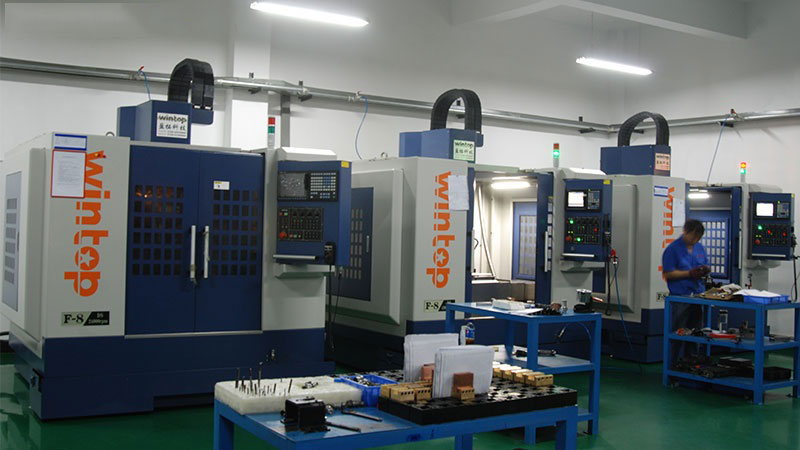
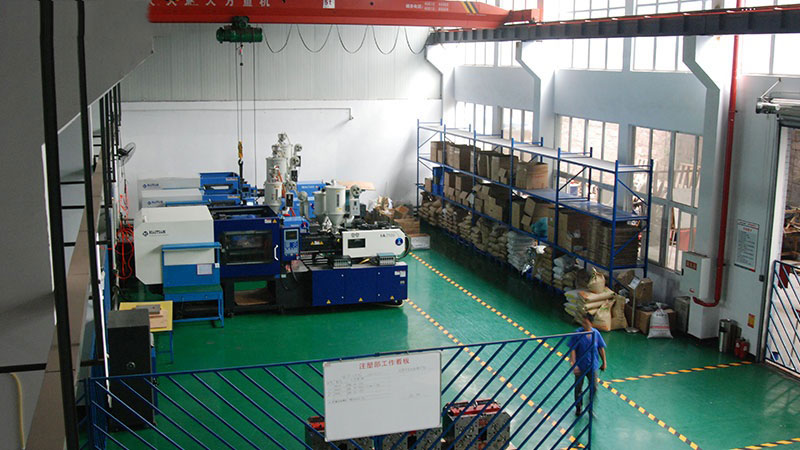
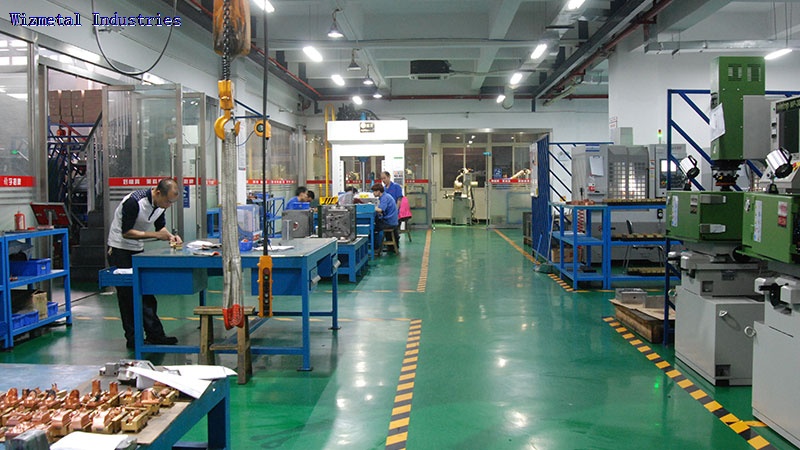
Once a potential partner is identified, rigorous supplier verification is non-negotiable. For 2026, this means leveraging technology to augment traditional methods. Insist on a live, interactive video audit of the production floor. Do not accept pre-recorded marketing videos. During the live stream, ask to see their quality control stations, mold maintenance records, and the specific machinery (e.g., CNC, EDM) that will be used for your project. Verify their certifications, but understand their practical implementation. Furthermore, use professional background check services to confirm business licenses and explore the supplier’s digital footprint across international B2B platforms for client reviews. This multi-layered verification process mitigates the fundamental risk of engaging an unvetted partner.
The procurement phase is where clarity prevents costly change orders. Your technical data package (TDP) must be impeccable. Beyond providing a 3D CAD model, include a comprehensive specification sheet detailing the rubber material grade (with data sheets), critical dimensions and tolerances (Geometric Dimensioning and Tolerancing is preferred), surface finish requirements on both the part and the mold cavities, and expected production lifecycle. Explicitly state your expectations for mold construction: steel grades (such as NAK80 or S136 for corrosion resistance), hot runner system preferences, and the standard for mold bases (e.g., DME, HASCO, or local standard). A precise TDP enables an accurate comparison of quotes and establishes a binding benchmark for quality control upon delivery.
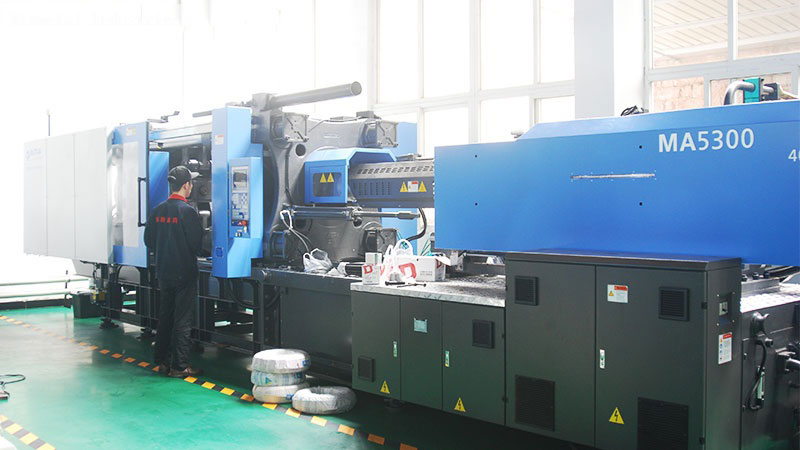
Proactive quality control, integrated throughout the build process, is the solution to avoiding defective molds. Mandate staged inspections with detailed reports. Key milestones include a design review approval, steel material certification, first article inspection (FAI) of critical cavity and core components, and a pre-shipment sample trial. The most critical step is the Trial Run Report. You or a trusted third-party inspection agency must witness the mold producing samples on a machine. The report should document process parameters, cycle time, and most importantly, include comprehensive measurement results of the produced rubber parts against your drawings. This on-the-ground validation ensures the injection mold performs as intended before it ever leaves China, shifting quality assurance from a reactive to a proactive function.
Finally, plan for the total lifecycle of the mold. A reliable partner views the sale as the beginning of the relationship. Discuss and agree upon post-sales support terms before finalizing your order. This includes the warranty period (typically 12-24 months against workmanship and material defects), the availability of spare components like seals and heaters, and their policy on mold modifications. Establish clear communication channels for troubleshooting. In your cost analysis, factor in the long-term value of a supplier who can efficiently provide maintenance, repairs, or future cavity additions, as this continuity is invaluable for production stability. This long-term perspective is a hallmark of sophisticated procurement strategy.
In conclusion, importing a high-performance mold for rubber parts from China in 2026 demands a blend of technical acumen, diligent verification, and strategic partnership. By focusing on factories with proven rubber expertise, conducting thorough live audits, providing impeccable specifications, enforcing staged quality control with trial runs, and securing lifecycle support, overseas buyers can transform perceived risks into a durable competitive advantage. The goal is no longer just to buy a tool, but to secure a cornerstone of your manufacturing process that delivers precision, reliability, and value for the long term.
Work With Us
As a professional China mold manufacturer, we provide one-stop mold solution for overseas buyers.
📞 Phone: +86-18605944639
💬 WhatsApp: +8618605944639
🌐 Website: bestmoldworks.com
📧 Email: [email protected]