For overseas buyers, sourcing injection molds for plastic parts from China remains a powerful strategy to achieve significant cost savings and access advanced manufacturing capabilities. However, the journey from a digital design to a perfect, production-ready mold in your facility is fraught with potential pitfalls. The landscape in 2026 demands more than just finding a low quote; it requires a disciplined approach to supplier verification and quality control. This guide cuts through the noise to provide actionable strategies for partnering with the best China mold factory, ensuring your procurement process is efficient, transparent, and results in a high-quality injection mold that meets your exact specifications.
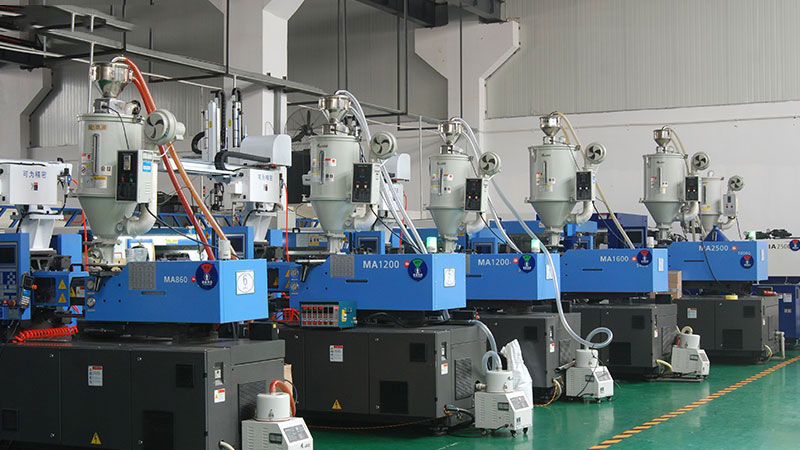
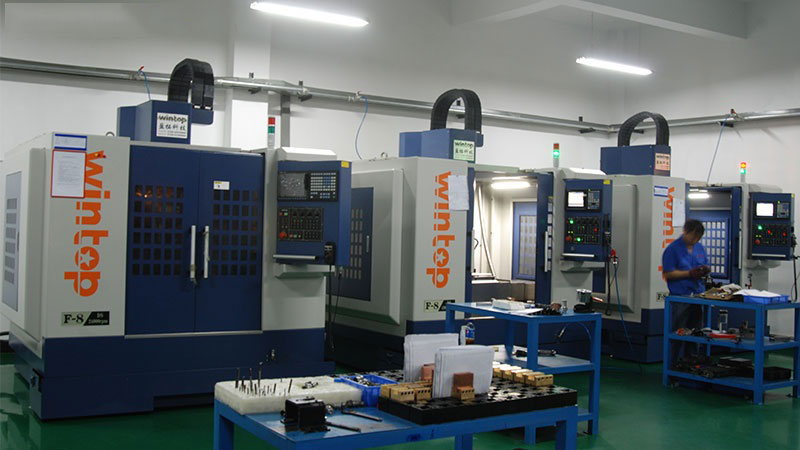
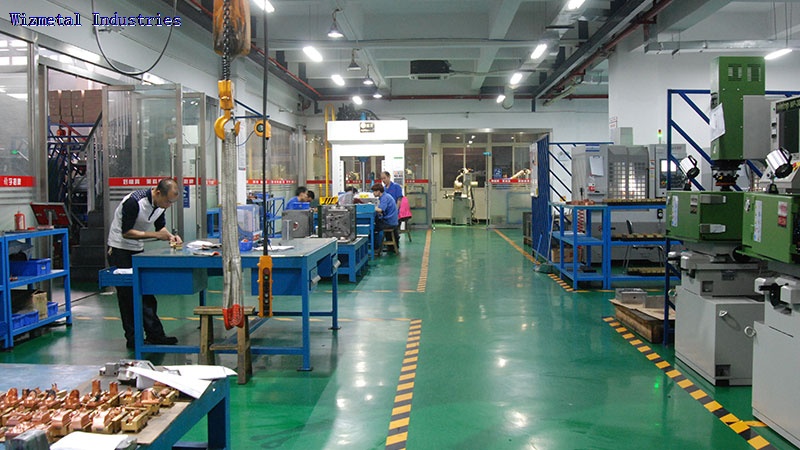
The cornerstone of a successful project is rigorous supplier verification. Moving beyond Alibaba listings is crucial. Start by identifying manufacturers with demonstrable expertise in your specific industry, whether it’s automotive components, medical devices, consumer electronics, or packaging. A professional China mold factory will have a detailed portfolio showcasing complex projects. Request and actually contact past overseas clients for references. In 2026, leverage video calls to conduct virtual factory tours; observe the shop floor organization, the generation of machinery (look for modern CNC, EDM, and deep-hole drilling machines), and their in-house capabilities like mold flow analysis. Verify their certifications—ISO 9001 is a baseline, while industry-specific certifications like IATF 16949 for automotive are critical markers of a mature quality management system. This due diligence separates true partners from trading companies or workshops lacking in technical depth.
Once a shortlist is established, mastering the technical and commercial quotation process is your next hurdle. A professional supplier will not provide a price based solely on a 3D model of your final plastic part. They will request a detailed mold design or offer design-for-manufacturability (DFM) services. Scrutinize their DFM report; it should address gate location, cooling channel optimization, ejection strategies, and material shrinkage. The quotation must be transparent and itemized, covering mold base steel grade (e.g., P20, H13, S136), cavity and core material, expected lifespan (number of shots), surface finish (SPI standards), lead time, and payment terms. Be wary of suspiciously low bids—they often indicate substandard materials, omitted features, or hidden costs that will surface later. Clear, documented communication at this stage sets the foundation for the entire project.
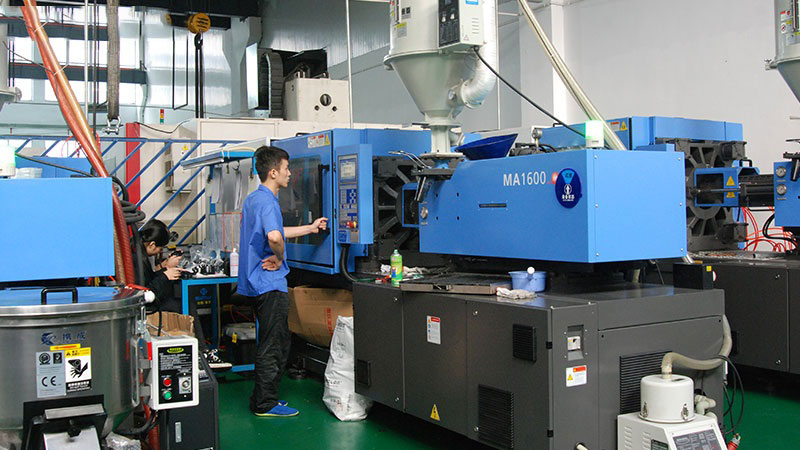
Proactive quality control, integrated from the start, is non-negotiable. Do not wait for the finished mold to inspect quality. Implement a staged inspection protocol (IPQC). Key milestones include a first article inspection (FAI) of the mold frame and materials, a pre-hardening inspection of critical components, and a thorough trial run (T1) at the supplier’s facility. For the T1 trial, insist on receiving video documentation of the molding process, data from the injection molding machine, and samples from the initial shots. These first samples are the ultimate test. Measure them against your CAD data with CMM reports. Check for sink marks, weld lines, dimensional accuracy, and function. Many top-tier suppliers now offer real-time project management portals where you can track progress, view inspection photos, and communicate issues instantly, bringing unprecedented transparency to the overseas procurement process.
Navigating logistics and post-sales support is the final, critical phase. A reliable partner will have experience in exporting injection molds globally. Clarify incoterms (FOB, CIF, DAP) explicitly to avoid unexpected charges. Ensure the mold is properly prepared for shipping: it should be preserved with anti-rust agents, securely packed in a custom wooden crate, and all components labeled. Comprehensive documentation, including a detailed mold manual, maintenance instructions, and a full set of drawings, must accompany the shipment. Discuss post-sales support terms upfront: What is the warranty period? How are repair costs handled if a core pin breaks? Do they provide spare parts? A supplier confident in their workmanship will offer clear, fair terms, ensuring your mold remains productive for its entire lifespan, turning a single procurement into a long-term asset.
Successfully importing injection molds for plastic parts from China in 2026 is a systematic exercise in partnership building and risk mitigation. It transcends simply finding a manufacturer; it is about collaboratively engineering a precision tool that will define the quality and cost of your plastic components for years. By prioritizing in-depth supplier verification, demanding technical transparency, enforcing rigorous quality control at every stage, and securing solid post-sales agreements, you transform the inherent complexities of overseas procurement into a competitive advantage. The best China mold factory for you is one that aligns with your quality standards, communicates proactively, and demonstrates a commitment to being a true extension of your engineering team, delivering not just a mold, but reliability and value.
Work With Us
As a professional China mold manufacturer, we provide one-stop mold solution for overseas buyers.
📞 Phone: +86-18605944639
💬 WhatsApp: +8618605944639
🌐 Website: bestmoldworks.com
📧 Email: [email protected]