Importing custom plastic injection molds from China remains a strategic move for businesses worldwide seeking competitive advantage, cost efficiency, and manufacturing scalability. However, the journey from concept to receiving a high-quality, production-ready tool is fraught with potential challenges for the unprepared buyer. As we look toward 2026, the landscape is evolving with smarter technology and higher expectations for transparency and partnership. This guide provides expert, actionable tips to navigate the procurement process successfully, ensuring you find a reliable China mold factory and secure a mold that meets your exact specifications, budget, and timeline.
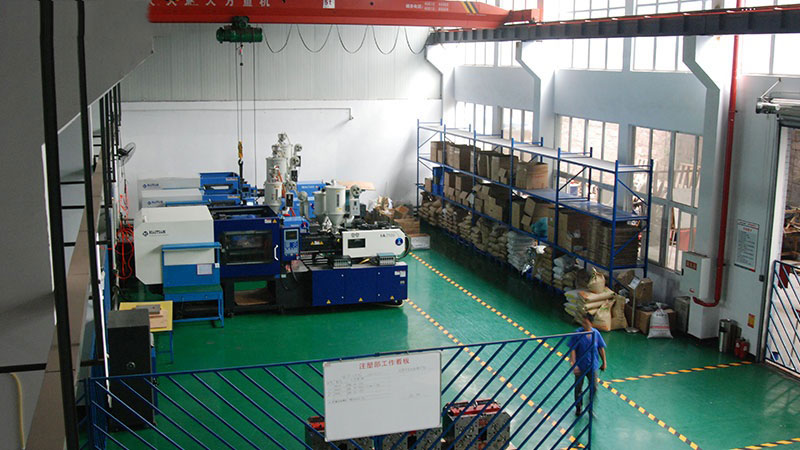
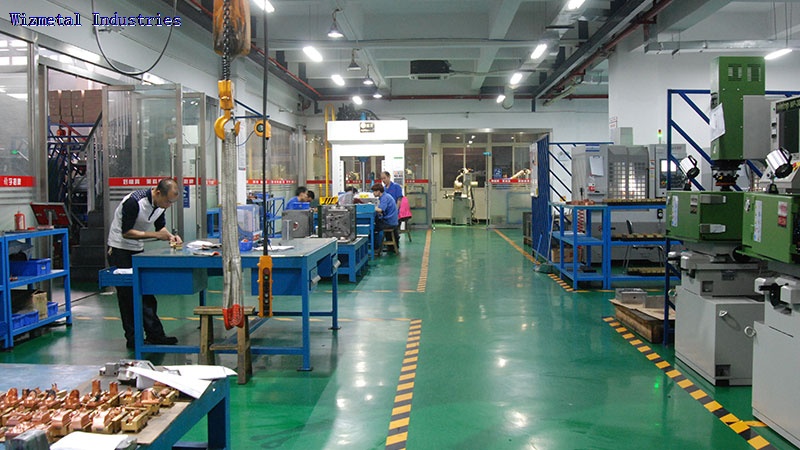
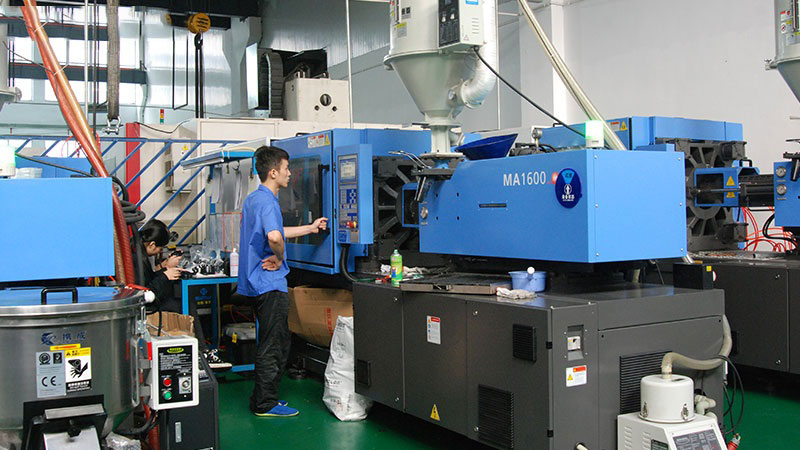
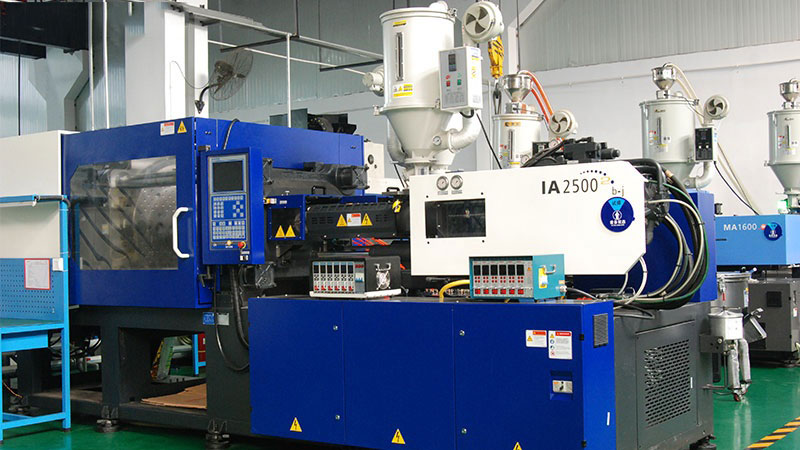
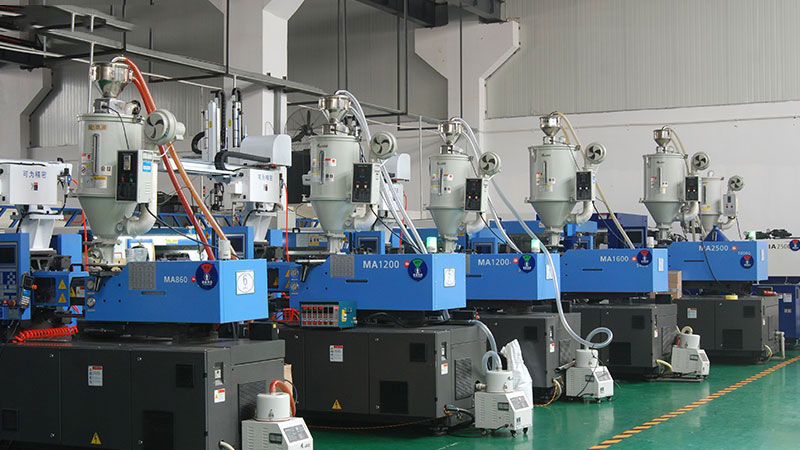
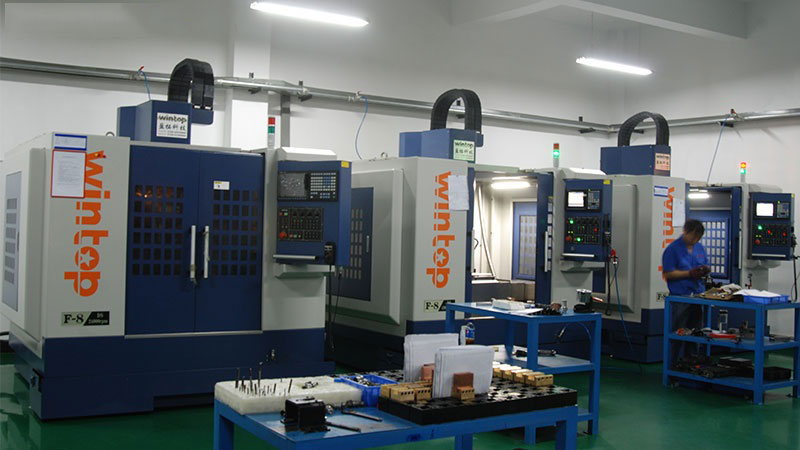
The cornerstone of a successful import project is thorough supplier verification. Moving beyond a simple website check or Alibaba profile is non-negotiable. Start by requesting a detailed company profile that includes factory location, years in operation, number of employees, and machinery list. Key machinery to look for includes high-precision CNC machines, EDM (Electrical Discharge Machining) equipment, and CMM (Coordinate Measuring Machine) for quality inspection. Insist on a live video tour of the facility; a reputable injection mold manufacturer will readily comply, showing you their workshop floor, quality control stations, and ongoing projects. Crucially, ask for and contact past overseas clients. Speaking directly with a European or North American company that has worked with them will provide invaluable insights into communication, problem-solving, and after-sales support. This due diligence phase filters out trading companies masquerading as factories and identifies true production partners.
Once a potential partner is shortlisted, mastering the technical and commercial quotation process is your next critical step. A professional quote from a China mold factory should be exhaustive, not just a single bottom-line price. It must break down costs for mold base material, cavity and core steel grade, number of cavities, surface finish, tolerances, and anticipated cycle time. For 2026, expect leading manufacturers to also discuss sustainability options, such as the use of certified steels or energy-efficient mold design. Clearly define all post-mold services: who is responsible for sample shots, how many trial reports are provided, and what the process is for design adjustments. Payment terms are a key negotiation point. While a common structure might be 50% deposit, 40% after sample approval, and 10% before shipment, be wary of suppliers demanding full upfront payment. A phased payment schedule aligns interests and mitigates risk. Ensure the quote includes Incoterms 2020, clearly stating responsibilities for shipping, insurance, and customs clearance.
Proactive and structured quality control is what separates successful projects from costly failures. Do not assume quality; instead, build verification into every stage. Mandate a First Article Inspection (FAI) report on the finished mold before sampling. This report, with CMM data and hardness test results, proves the mold is built to your drawings. The next critical phase is the Trial Run Report (TTR). Require a comprehensive document that includes photos and videos of the injection process, parameters used, and the resulting plastic parts. The report should detail any issues like sink marks, weld lines, or ejection problems and the solutions implemented. For high-volume or critical parts, consider engaging a local third-party quality inspection firm in China to conduct an on-site inspection during the sample approval stage. This independent verification provides an extra layer of security before the final payment and shipment, ensuring the injection mold performs as expected.
The final logistical and partnership phase is often where hidden challenges emerge. Clear communication regarding packaging and shipping is essential. Molds are high-precision, heavy tools; they require professional wooden crate packaging with proper internal securing to prevent damage during transit. Discuss shipping options early—air freight for speed, sea freight for cost-effectiveness on large molds. Your chosen custom plastic injection mold manufacturer should handle all export documentation professionally. Upon receipt, have a maintenance and warranty agreement in place. A reliable supplier will offer a standard warranty period (e.g., 12-18 months) against manufacturing defects and provide detailed maintenance manuals. Furthermore, discuss future collaboration: will they store your mold design for potential future modifications or re-orders? Establishing this as a long-term technical partnership, rather than a one-time transaction, unlocks greater value and support for your product lifecycle.
In conclusion, importing a custom plastic injection mold from China in 2026 demands a blend of diligent verification, technical clarity, and proactive quality management. The goal is to transform the procurement process from a mere purchase into a strategic technical collaboration. By rigorously vetting your China mold factory, deconstructing quotations, implementing staged quality controls, and planning for the entire tool lifecycle, you significantly de-risk your investment. The most successful overseas buyers view their manufacturer not just as a supplier, but as an extension of their own engineering team. This approach, guided by the expert tips outlined, will lead you to a professional custom plastic injection mold manufacturer capable of delivering precision, reliability, and value, forming the foundation for your product’s manufacturing success for years to come.
Work With Us
As a professional China mold manufacturer, we provide one-stop mold solution for overseas buyers.
📞 Phone: +86-18605944639
💬 WhatsApp: +8618605944639
🌐 Website: bestmoldworks.com
📧 Email: [email protected]