Category: Custom molds for resin

  • custom injection molding companies: Best Suppliers & 2026

    For overseas buyers, sourcing custom injection molds from China represents a significant opportunity to reduce capital expenditure and accelerate product development cycles. However, navigating the vast landscape of manufacturers to find a truly reliable partner can be daunting. The difference between a successful project and a costly failure often lies in the procurement strategy. This guide is designed to provide actionable, professional insights for identifying and collaborating with the best custom injection molding companies as we look toward 2026, focusing on practical steps for supplier verification and robust quality control.

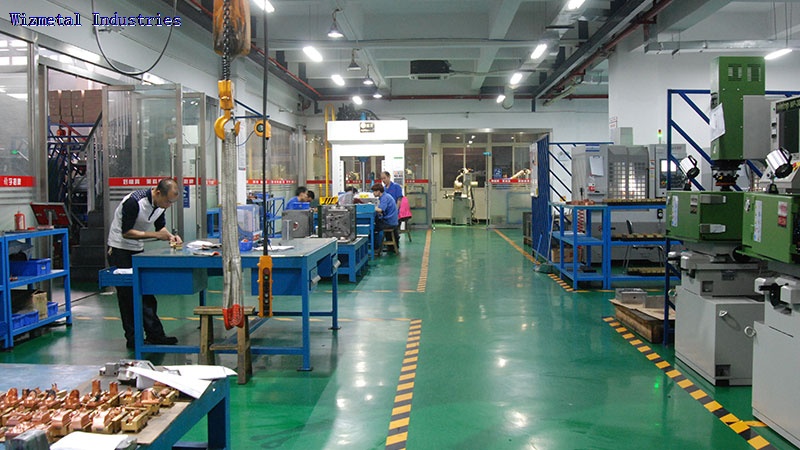
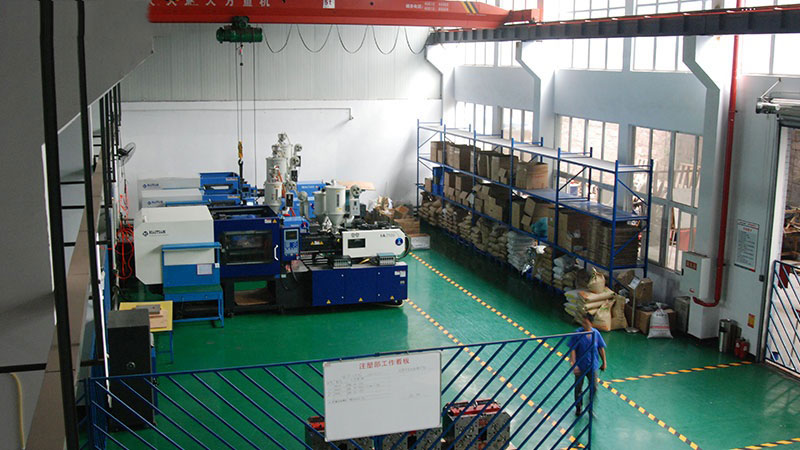
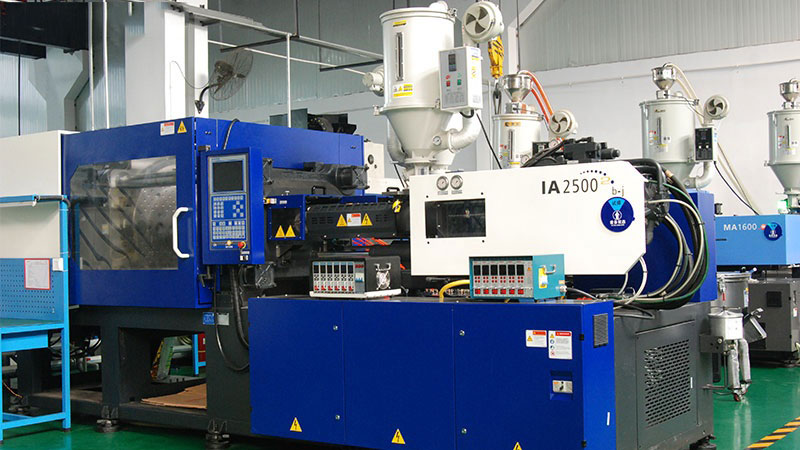
    The foundation of a successful import project is rigorous supplier verification. Moving beyond a simple website check or Alibaba storefront is non-negotiable. Begin by shortlisting potential China mold factories based on their specific industry experience. A company proficient in automotive components may not be the ideal fit for delicate medical device molds. Request detailed case studies and, crucially, contact past international clients. Utilize video conferencing for virtual factory tours; observe the workshop organization, the age and maintenance of machinery (look for brands like Haitian, Engel, or Arburg), and the engineering team’s setup. Verify business licenses and export credentials. In 2026, transparency is the baseline expectation, and reputable suppliers will readily provide this information. This due diligence phase filters out trading companies masquerading as manufacturers and identifies partners with genuine capability.

    Once a potential partner is identified, the technical and commercial discussion phase becomes critical. A professional China mold factory will engage deeply in Design for Manufacturability (DFM) analysis. Be wary of any supplier that quotes immediately without asking detailed questions about part function, material selection, tolerances, and end-use environment. Provide comprehensive 3D drawings (STEP or IGS files) and request a formal DFM report. This document should highlight potential molding issues, suggest design improvements to reduce cost and improve durability, and confirm gate locations, ejection plans, and cooling channel design. Simultaneously, scrutinize the quotation breakdown. It should clearly separate mold cost, sample cost, and per-part pricing. Understand the steel grade (e.g., P20, H13, S136) and mold life expectancy (number of shots). Clarifying these details upfront prevents misunderstandings and establishes a foundation for precise quality control metrics later.

    Effective quality control is not an inspection; it is a process integrated from the first steel block. For overseas buyers, a structured QC protocol is your primary risk mitigation tool. Define and agree upon all critical dimensions, appearance standards (Class A surface requirements), and performance tests before mold fabrication begins. The First Article Inspection (FAI) report from the initial sample shots is a vital milestone. It must show measured results against every dimension on your drawing. Partner with a third-party inspection firm in China for key stages: after mold trial (T1 samples) and during pre-shipment inspections for production runs. These professionals can check part dimensions, material certification, and assembly functions on your behalf. Modern suppliers utilize process validation tools like Scientific Molding and provide data from sensors monitoring cavity pressure and temperature, offering objective evidence of process stability and part consistency.

    Building a successful long-term relationship with your chosen injection mold supplier requires clear communication and strategic foresight. View them as an extension of your engineering team. Schedule regular update meetings and use collaborative project management tools to track progress. Discuss not just current needs but also future plans; a reliable partner can advise on scaling production or designing a family mold for future product iterations. As we approach 2026, leading custom injection molding companies are investing in automation, IoT-connected machinery, and sustainable practices. Inquire about their roadmap in these areas. Furthermore, understand the total cost of ownership, which includes mold maintenance, spare components, and the supplier’s responsiveness to technical support. A slightly higher initial mold cost from a partner with excellent engineering support and communication can yield far lower total costs and fewer headaches over the product’s lifecycle.

    In conclusion, sourcing injection molds from China in 2026 demands a blend of traditional procurement diligence and modern collaborative partnership. The journey from identifying a China mold factory to receiving consistent, high-quality parts hinges on systematic supplier verification, in-depth technical collaboration, and an unwavering commitment to embedded quality control processes. By focusing on these actionable strategies, overseas buyers can confidently navigate the market, transforming the challenge of distance into a competitive advantage of cost-effectiveness and technical expertise. The goal is to move beyond a transactional relationship to a strategic alliance with one of the capable custom injection molding companies that can drive your product’s success for years to come.

    Work With Us

    As a professional China mold manufacturer, we provide one-stop mold solution for overseas buyers.
    📞 Phone: +86-18605944639
    💬 WhatsApp: +8618605944639
    🌐 Website: bestmoldworks.com
    📧 Email: [email protected]
  • precision injection mold maker: Reliable Manufacturers 2026

    For overseas buyers and procurement specialists, sourcing a precision injection mold maker in China represents a significant opportunity for cost efficiency and advanced manufacturing capability. However, the path to a successful partnership is often fraught with challenges, from supplier verification to consistent quality control. As we look toward 2026, the landscape is evolving, demanding more strategic and informed approaches. This guide is designed to move beyond basic directories and provide actionable, professional insights to help you identify and collaborate with reliable Chinese mold manufacturers, ensuring your injection mold procurement drives value, innovation, and competitive advantage for your business.

    The cornerstone of any successful import project is rigorous supplier verification. In 2026, this goes beyond checking a website and requesting a quote. Begin with a deep-dive analysis of the China mold factory’s specialization. Precision molding spans industries from medical devices and automotive components to consumer electronics; a supplier proficient in one may not be optimal for another. Scrutinize their project portfolio for complexity and material experience relevant to your needs. Utilize video conferencing to conduct virtual factory tours, paying close attention to their machine park—look for modern, high-precision CNC, EDM, and CMM equipment. Furthermore, insist on speaking directly with their engineering and project management team. A reliable precision injection mold maker will have proficient English-speaking technical staff capable of discussing tolerances, surface finishes, and mold flow analysis, not just sales representatives.

    Once a potential partner is identified, the focus must shift to a structured communication and prototyping phase. Ambiguity in technical specifications is the primary cause of mold defects and project delays. Develop and share comprehensive, detailed 3D drawings and technical data sheets that explicitly define all critical parameters: material grade, shrinkage rates, tolerance bands (including geometric dimensioning and tolerancing), gate locations, ejection mechanisms, and surface texture requirements. A professional manufacturer will engage in a design for manufacturability review, suggesting optimizations for cost, durability, and easier production. For high-value projects, insist on a multi-stage approval process. This typically includes approving the mold design, then a first article inspection report with photographs and CMM data from the initial mold trial (T1), before proceeding to mass production. This phased approach mitigates risk significantly.

    Quality control cannot be an afterthought; it must be engineered into the procurement process from the outset. Discuss and agree upon a clear Quality Assurance Protocol before order confirmation. This protocol should specify the inspection equipment to be used, the frequency of checks during machining, and the format for reporting. For precision molds, on-site inspection during the final trial is invaluable. If travel is constrained, hire a trusted third-party inspection service based in China to act as your eyes and ears. They can perform dimensional checks, material verification, and witness the mold trial, ensuring the parts meet all specifications. A reliable China mold factory will be transparent and accustomed to such scrutiny. Their willingness to accommodate and integrate your QC requirements is a strong indicator of their professionalism and commitment to delivering a flawless product.

    Understanding the total cost of ownership and establishing a clear legal framework are critical for long-term success. While unit price is important, evaluate the supplier’s proposal for its comprehensiveness. Does it include all costs for mold design, trials, maintenance, and potential engineering changes? Clarify payment terms; standard practice often involves a staggered payment schedule tied to project milestones. Legally, a well-drafted procurement contract is essential. It should cover intellectual property rights, confidentiality, liability for delays or defects, warranty periods for the mold, and terms for mold repair and maintenance. Ensure the contract specifies the jurisdiction for dispute resolution. Investing in clear legal groundwork protects your assets and defines the relationship, turning a simple transaction into a strategic partnership with your chosen precision injection mold maker.

    The most forward-thinking buyers view their mold supplier as a strategic extension of their own R&D and production team. As you plan for 2026, consider the manufacturer’s capacity for innovation and long-term support. Discuss their approach to mold maintenance, their ability to provide spare components, and their responsiveness to future design modifications. Building a relationship based on transparency and mutual success often yields benefits beyond the initial project, such as priority scheduling and collaborative problem-solving on future innovations. The ideal partner is not just a fabricator but a solutions provider invested in the lifecycle of your product.

    Sourcing a precision injection mold maker in China for your 2026 projects requires a methodical, detail-oriented strategy. The competitive advantage lies not in finding the cheapest option, but in identifying a manufacturer whose capabilities, quality ethos, and communication standards align with your precision requirements. By prioritizing in-depth supplier verification, enforcing crystal-clear technical communication, implementing robust quality control measures, and securing a solid contractual foundation, you transform the procurement process from a risky venture into a reliable engine for growth. The reliable manufacturers of 2026 will be those who welcome this level of engagement, offering not just molds, but certainty, precision, and a partnership that ensures your products excel in the global marketplace.

    Work With Us

    As a professional China mold manufacturer, we provide one-stop mold solution for overseas buyers.
    📞 Phone: +86-18605944639
    💬 WhatsApp: +8618605944639
    🌐 Website: bestmoldworks.com
    📧 Email: [email protected]
  • custom molded part: Professional Buying Guide 2026

    For overseas buyers and procurement specialists, China remains the global epicenter for manufacturing efficiency and cost-effectiveness, especially for custom molded parts. The journey from concept to a container of finished, high-quality components is fraught with potential pitfalls—communication gaps, quality inconsistencies, and logistical hurdles. This professional guide for 2026 cuts through the noise to provide a strategic, actionable framework for successfully importing custom molded parts from China. Our focus is not just on finding a supplier, but on building a reliable partnership with a competent China mold factory to ensure your project’s success from the first drawing to final delivery.

    The cornerstone of a successful import project is rigorous supplier verification. Moving beyond Alibaba listings and superficial websites is non-negotiable. In 2026, due diligence must be multi-faceted. Start by verifying business licenses and export credentials. Demand to see a detailed portfolio of past projects, specifically for similar injection mold applications. Utilize video conferencing tools to conduct virtual factory tours; a legitimate supplier will readily showcase their shop floor, machinery (look for modern CNC, EDM, and injection molding machines), and quality control stations. Furthermore, insist on speaking directly with their project engineers. Their ability to understand your technical drawings, material specifications, and tolerances is a more valuable indicator of capability than any sales pitch. Finally, check for international standards certifications like ISO 9001:2015, which, while not a guarantee, indicates a baseline commitment to systematic processes.

    Once a potential partner is identified, mastering the technical and commercial quotation phase is critical. A professional China mold factory will provide a breakdown separating mold cost from part price. For the injection mold itself, understand the steel grade (e.g., P20, H13, Stainless), cavity count, lifespan expectancy, and who owns the intellectual property upon completion. For the custom molded part production, clarify material grade (including raw material certification), part cost per unit at different volume tiers, and the terms for mold modification fees. Be explicit about all requirements upfront: CAD file format, draft angles, surface finish (SPI standards), critical dimensions, and testing protocols. Providing a comprehensive technical data package minimizes misunderstandings and ensures quotations are comparable. Remember, the cheapest mold often becomes the most expensive due to premature failure or part defects.

    Proactive quality control cannot be an afterthought; it must be engineered into the procurement contract. Stipulate a First Article Inspection (FAI) report before mass production begins. This report should validate that parts from the approved mold meet all dimensional and material specs. For ongoing production, define the frequency and scope of in-process and pre-shipment inspections. Many buyers engage reputable third-party quality control firms in China to conduct these inspections, providing an unbiased report. For critical components, consider mandating process validation studies. Also, discuss the protocol for non-conforming parts: who pays for rework or scrap, how replacements are handled, and the timeline for resolution. A clear quality control agreement aligns expectations and protects your investment in both the tooling and the production run.

    Navigating logistics, payment, and intellectual property protection are the final, crucial steps. Use Incoterms 2020 precisely—common terms like FOB or EXW clearly define where risk and responsibility transfer. For a new custom molded part project, plan for a sample approval process before shipping the full order. Secure payment terms are paramount; a staggered structure is standard and prudent. A typical model might be 30-50% deposit to commence mold manufacturing, 40-60% balance before mass production shipment, with perhaps 10% retained until successful FAI approval. For intellectual property, a robust Non-Disclosure Agreement (NDA) and a clause in the contract asserting your ownership of the mold and part design are essential. Ensure all final documentation, including 2D/3D mold drawings and material certifications, are part of the delivery package.

    Importing custom molded parts from China in 2026 demands a blend of technological savvy and disciplined procurement strategy. The landscape is competitive, and the most successful buyers are those who approach their China mold factory not merely as a vendor, but as a technical extension of their own team. By implementing a systematic process of supplier verification, detailed technical scoping, embedded quality control, and clear contractual safeguards, you transform a complex overseas procurement challenge into a reliable, streamlined supply chain advantage. The goal is to secure not just a cost-effective injection mold, but a consistent stream of high-quality components that support your product’s integrity and your company’s reputation in the global market.

    Work With Us

    As a professional China mold manufacturer, we provide one-stop mold solution for overseas buyers.
    📞 Phone: +86-18605944639
    💬 WhatsApp: +8618605944639
    🌐 Website: bestmoldworks.com
    📧 Email: [email protected]
  • china mold supplier: Complete Procurement Guide 2026

    Navigating the landscape of international manufacturing can be a complex endeavor, especially when your project’s success hinges on a critical component like a precision mold. For overseas buyers, sourcing from a China mold supplier presents a compelling value proposition: access to advanced manufacturing capabilities, significant cost advantages, and vast industry experience. However, the journey from identifying a potential partner to receiving a flawless injection mold is fraught with potential challenges, from communication barriers to quality discrepancies. This guide is designed to cut through the noise and provide you with a structured, actionable framework for successful procurement in 2026, helping you mitigate risks and build a profitable, long-term supply chain.

    The foundational step in your procurement journey is effective supplier identification and verification. Moving beyond a simple Alibaba search is crucial. Begin by defining your project’s specific technical requirements—mold material, cavitation, lifespan, and the type of plastic for the injection mold. This clarity will help you target specialized China mold factories rather than general workshops. Utilize professional B2B platforms like Global Sources or Made-in-China, which often feature more vetted suppliers. Crucially, verification is non-negotiable. Request detailed company profiles, ask for evidence of export experience to your region, and insist on a video tour of their facility. This virtual audit allows you to assess their machinery, workshop organization, and quality control infrastructure in real-time, separating credible partners from trading companies or under-resourced operations.

    Once a shortlist is established, mastering the technical and commercial negotiation phase is key to aligning expectations. A professional China mold supplier will engage deeply in a Technical Discussion before quoting. Provide a comprehensive package including 3D drawings (STEP or IGS), 2D specifications with critical tolerances, material specifications, and expected production volume. Discuss mold flow analysis (MFA) upfront; a reputable factory will often perform this to prevent filling and cooling issues, and it should be a standard part of their service. Commercially, understand the quotation breakdown. A transparent quote will itemize costs for mold design, materials (such as pre-hardened steel, stainless steel, or aluminum), manufacturing, and sampling. Be wary of prices that seem too good to be true, as they often indicate corner-cutting on steel quality or post-sales support. Clearly define payment terms—a common and balanced structure is 50% deposit, 40% after sample approval, and 10% after shipment.

    The most critical phase of your engagement is proactive quality control, which must be integrated throughout the manufacturing process, not just as a final inspection. Agree on a Quality Control Plan (QCP) with your supplier at the contract stage. This plan should mandate checkpoints with digital evidence. Key stages include: a Design Review Report (DRR) confirming the mold design, material certification for the core and cavity steel, and First Article Inspection (FAI) reports during machining. For the final sample approval, the T1 sample is paramount. You should receive not only physical samples but also a detailed inspection report covering dimensional checks, cosmetic appearance, and functionality tests. For high-value or high-volume projects, engaging a local third-party quality inspection firm for an on-site Pre-Shipment Inspection (PSI) is a highly recommended investment. They can verify the mold’s workmanship and test-run it on a press, providing an unbiased assessment before final payment.

    Successful procurement extends beyond the delivery of the mold; it encompasses the entire lifecycle of the tool. Therefore, clarifying post-delivery terms is essential for a sustainable partnership. Your agreement with the China mold factory must explicitly cover warranty, maintenance, and intellectual property (IP) protection. A standard warranty for a well-manufactured injection mold should cover at least one year against manufacturing defects, with the supplier responsible for repair or replacement. Discuss how mold maintenance and repairs will be handled—will they provide spare parts, or will you need to ship the mold back? For IP protection, a robust Non-Disclosure Agreement (NDA) is the first step. Furthermore, ensure your contract states that all design and tooling rights remain your exclusive property. Finally, plan for the logistics. Incoterms 2020 (typically FOB or EXW) must be mutually understood, and you should factor in shipping, insurance, and potential import duties in your total landed cost calculation.

    In conclusion, building a successful relationship with a China mold supplier in 2026 is a systematic process that rewards diligence and clear communication. It transforms from a simple transaction into a strategic partnership when approached correctly. By meticulously verifying potential partners, engaging in detailed technical commerce, implementing rigorous quality control protocols, and securing comprehensive post-sales agreements, you significantly de-risk your procurement process. The goal is not merely to purchase a tool but to secure a reliable extension of your production capability. The Chinese manufacturing sector continues to evolve, with leading suppliers offering world-class technology and expertise. By following this guide, you position yourself to tap into this value effectively, ensuring that your imported molds become a cornerstone of your product’s quality and commercial success.

    Work With Us

    As a professional China mold manufacturer, we provide one-stop mold solution for overseas buyers.
    📞 Phone: +86-18605944639
    💬 WhatsApp: +8618605944639
    🌐 Website: bestmoldworks.com
    📧 Email: [email protected]
  • china plastic injection mold manufacturer: Profession 2026

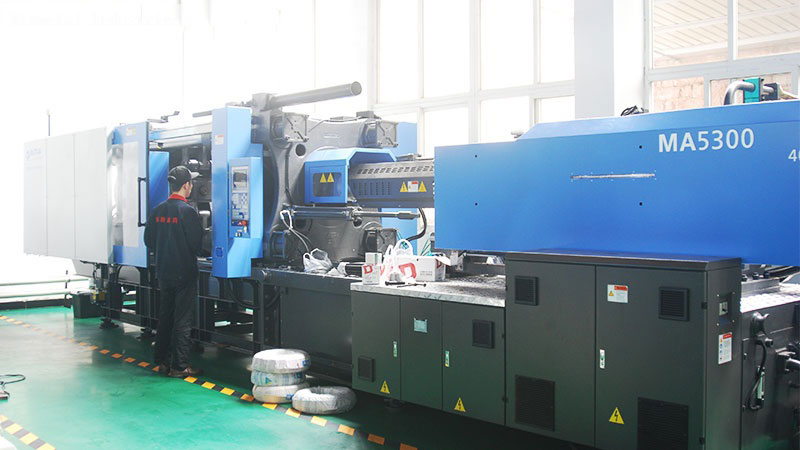
    For overseas businesses, from ambitious startups to established OEMs, sourcing from a China plastic injection mold manufacturer remains a cornerstone strategy for achieving cost efficiency and scaling production. However, the landscape is evolving rapidly. The “Profession 2026” we refer to is not just about manufacturing skill, but the professionalization of the entire procurement ecosystem—marked by transparency, integrated technology, and strategic partnership. The old challenges of supplier verification and quality control are now met with new, sophisticated solutions. This guide cuts through the noise to provide actionable insights for navigating this refined terrain and securing a reliable, high-value supply chain partner.

    The foundational step, and arguably the most critical, is advanced supplier verification. Moving beyond Alibaba storefronts is essential in 2026. A professional China mold factory today expects and facilitates deep due diligence. Start with a multi-faceted audit: request detailed company registrations, factory location verification via live video walkthroughs, and a portfolio of past projects for overseas clients with similar complexity. Scrutinize their engineering team’s credentials and their proficiency with international standards (like ISO 9001) and design software (such as Moldflow analysis). Third-party verification services can be invaluable here. The goal is to assess their “Profession”—their systematic approach to business, not just their machinery. A manufacturer comfortable with this level of scrutiny is one building for long-term partnerships.

    Once a potential partner is identified, the focus shifts to the design and quotation phase, where clarity prevents cost overruns. The most successful procurements are built on impeccable communication. Provide not just a 3D file, but a comprehensive technical data package: critical dimensions and tolerances (GD&T), material specifications, expected annual volumes, and cosmetic requirements (e.g., SPI finish standards). A professional china plastic injection mold manufacturer will reciprocate with a detailed mold design review (DFM report) before cutting steel. This report should highlight potential manufacturing issues, suggest design for manufacturability (DFM) improvements, and outline gate locations, ejection, and cooling strategy. Never accept a bare-bones quote. Insist on a breakdown that includes mold base steel grade, cavity/core steel and hardness, lifetime guarantees, lead time for each milestone, and terms for engineering changes. This transparency is the hallmark of a 2026 professional.

    In-process quality control is the linchpin of securing a mold that performs consistently in your production facility. The era of “wait and see” upon shipment arrival is over. Demand a structured QC protocol integrated into the project timeline. Key inspection points include: First Article Inspection (FAI) using CMM reports on the finished mold cavities, and critically, a T1 sample trial with full documentation. You should receive high-resolution photos and videos of the trial, data on process parameters, and actual sample parts shipped for your evaluation. Many top-tier suppliers now offer real-time monitoring; you can view trial sessions via video link. For high-volume or precision molds, consider engaging a local third-party QC inspector to witness the final sample trial and pre-shipment audit. This proactive investment in verification mitigates the immense risk of tooling rework after export.

    The final consideration for the modern procurement strategy is navigating logistics, IP protection, and the partnership dynamic. Ensure your chosen supplier has a clear understanding of export procedures and Incoterms (like FOB or EXW). Discuss mold storage and maintenance agreements if you plan for future production runs. Intellectual property protection remains a valid concern; a professional partner will engage in a clear, mutually signed NNN agreement (Non-Use, Non-Disclosure, Non-Circumvention) specific to your jurisdiction before receiving your detailed designs. View this not as a confrontational document, but as the basis for a professional relationship. The “Profession 2026” model is characterized by suppliers who act as solutions partners, offering insights on material selection, design optimization for cost, and production efficiency, thereby adding value far beyond the initial transaction.

    In conclusion, importing injection molds from China in 2026 is a venture defined by strategic professionalism. The competitive edge is no longer found by simply chasing the lowest bid, but by meticulously identifying a partner whose operational excellence, transparent communication, and quality assurance protocols align with your business’s standards. By mastering the processes of rigorous supplier verification, detailed technical procurement, in-process quality control, and clear contractual framing, overseas buyers can transform a complex sourcing challenge into a reliable competitive advantage. The future belongs to those who build bridges based on data, clarity, and mutual professional respect with their China plastic injection mold manufacturer.

    Work With Us

    As a professional China mold manufacturer, we provide one-stop mold solution for overseas buyers.
    📞 Phone: +86-18605944639
    💬 WhatsApp: +8618605944639
    🌐 Website: bestmoldworks.com
    📧 Email: [email protected]
  • Custom molds for chocolate: Reliable Manufacturers Gu 2026

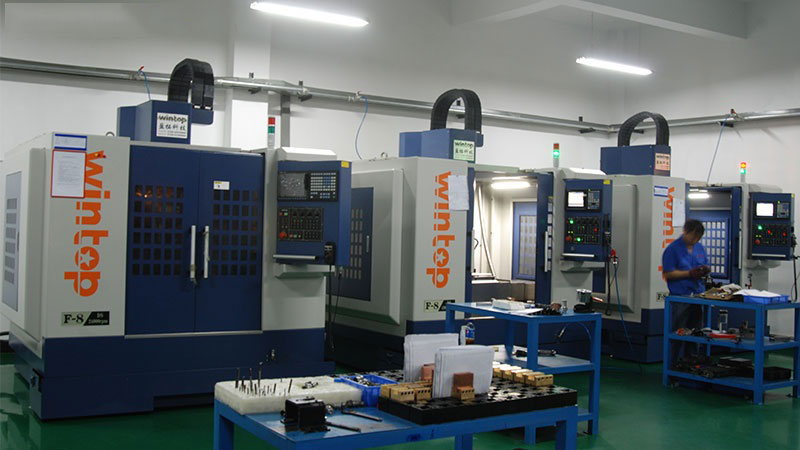
    For confectionery brands and chocolatiers worldwide, creating unique, market-differentiating products is key to success. This often begins with the very tool that shapes your vision: the custom chocolate mold. While local sourcing exists, China has solidified its position as the global hub for precision manufacturing, offering unparalleled expertise, advanced technology, and competitive pricing for custom molds for chocolate. However, for overseas buyers, navigating this vast market can be daunting. The core challenge is not finding a manufacturer, but identifying a reliable partner capable of translating intricate designs into flawless, food-safe molds that perform consistently. This guide provides a practical, step-by-step framework for your procurement journey in 2026, focusing on actionable strategies for supplier verification and quality assurance.

    The foundation of a successful import project lies in meticulous supplier verification. Moving beyond a simple Alibaba search is crucial. Begin by identifying specialized China mold factories with demonstrable experience in food-grade, specifically chocolate, applications. Scrutinize their online presence for detailed case studies, client testimonials from overseas buyers, and certifications relevant to food safety, such as ISO 9001 and FDA compliance statements for mold materials. A critical step is to request and verify business licenses. Utilize video call platforms to conduct virtual factory tours; a reputable supplier will readily showcase their workshop, machinery, and cleanliness standards. Pay close attention to their mold-making process, particularly if you require complex designs that utilize injection mold technology for high-volume production. This initial due diligence filters out trading companies and unqualified workshops, setting the stage for a professional partnership.

    Once you have shortlisted potential partners, precise technical communication becomes your most powerful tool. The procurement phase must start with a comprehensive and unambiguous technical datasheet. This document should detail every specification: the intended chocolate type (compound, real couverture, which has different flow properties), operating temperatures, expected production cycles, and the exact dimensions and design tolerances. For intricate logos or textures, provide high-resolution 3D files (e.g., .STEP or .IGES) alongside 2D drawings. Explicitly discuss material choices. Food-grade silicone is common, but for rigid, high-detail molds, inquire about polycarbonate or other approved plastics from a professional injection mold supplier. Clearly state your requirement for a material certification to ensure compliance with international food contact regulations. This level of detail prevents costly misunderstandings and allows for accurate quoting, reflecting the true complexity and cost of your custom molds for chocolate.

    The quoted price and proposed production timeline are telling indicators of a manufacturer’s professionalism. Be wary of quotes that seem excessively low compared to the market average; this often signals inferior materials, subpar craftsmanship, or hidden costs. A reliable China mold factory will provide a transparent breakdown, including costs for mold design, prototype, material, manufacturing, and shipping. Crucially, insist on a prototype or sample mold before authorizing full production. This step, though it may add time and cost, is non-negotiable. It allows you to test the mold with your actual chocolate, checking for detail reproduction, ease of demolding, and final product finish. Use this phase to agree on a formal quality control protocol. Define the inspection criteria: dimensional accuracy, surface finish (no imperfections that could trap chocolate), and structural integrity. Determine if you will hire a third-party inspection service for a Pre-Shipment Inspection (PSI) or if you will approve the batch based on sampled video and documentation.

    Effective quality control extends beyond the factory floor and into your own planning. Build a realistic timeline that accounts for design iteration, sample revisions, production, and sea freight. Reliable manufacturers in 2026 will be adept at logistics coordination but clarify incoterms (e.g., FOB, EXW) upfront to understand responsibilities and costs. Before shipment, ensure you receive all necessary documentation, including a commercial invoice, packing list, bill of lading, and the material safety certificates. Upon arrival, conduct your own inspection. Check for any shipping damage and immediately test the molds with a small batch of chocolate. A trustworthy supplier will offer a clear warranty period against manufacturing defects, providing peace of mind and protecting your investment. This end-to-end oversight transforms a simple purchase into a managed procurement project, significantly de-risking the import process.

    Importing custom molds for chocolate from China in 2026 represents a significant strategic advantage for businesses aiming to innovate and scale. The path to success is built on a foundation of rigorous supplier verification, crystal-clear technical communication, and a proactive, hands-on approach to quality control at every stage. By partnering with a specialized and reliable China mold factory—one that demonstrates expertise in food-grade injection mold manufacturing—you secure more than a tool; you secure the means to consistently produce captivating chocolates that define your brand. The goal is to establish a collaborative relationship with a manufacturer who understands that the precision of the mold directly impacts the excellence of your final product. With this disciplined approach, overseas buyers can confidently leverage China’s manufacturing prowess to turn creative confectionery concepts into delicious, market-ready reality.

    Work With Us

    As a professional China mold manufacturer, we provide one-stop mold solution for overseas buyers.
    📞 Phone: +86-18605944639
    💬 WhatsApp: +8618605944639
    🌐 Website: bestmoldworks.com
    📧 Email: [email protected]

  • mold factory china: Reliable Manufacturers Guide 2026

    For overseas buyers, the decision to import molds from China represents a significant strategic advantage, offering unparalleled cost efficiency and advanced manufacturing capabilities. However, navigating the vast landscape of suppliers to find a truly reliable partner remains a formidable challenge. This guide for 2026 cuts through the noise, providing a professional, actionable framework for your procurement process. We move beyond simple directories to focus on verification, communication, and quality assurance—solving the real problems faced by international procurement teams when engaging a mold factory in China.

    The cornerstone of a successful import project is rigorous supplier verification. In 2026, due diligence must be deeper than a website review. Start by verifying business licenses via official Chinese platforms and cross-referencing registration details. For a critical component like an injection mold, insist on a virtual or recorded factory tour; a professional mold factory in China will readily showcase its shop floor, detailing machinery brands, mold base sourcing, and workshop organization. Crucially, request and contact references from existing overseas clients. Discuss their experience with project management, problem-solving, and post-sales support. This step moves you from a list of potential vendors to a shortlist of validated China mold factory partners, significantly de-risking your initial selection.

    With a shortlist in hand, mastering the technical and commercial quotation process is your next hurdle. A professional request for quotation (RFQ) is your most powerful tool. It must include a comprehensive 3D part design (STEP or IGS), material specifications, expected annual volumes, and clear quality standards. Be explicit about requirements for mold flow analysis (MFA), cooling line design, and the type of steel (e.g., P20, H13, S136). This clarity prevents misunderstandings and allows for accurate, comparable bids. When reviewing quotes, look beyond the bottom line. Scrutinize the breakdown: mold steel cost, cavity/core machining, standard components, and trial run charges. A suspiciously low quote often signals corner-cutting on materials or engineering time. A reliable partner will justify their pricing with a transparent breakdown and a logical project timeline.

    Once you have selected a partner, proactive quality control is non-negotiable. Do not adopt a “wait and see” approach until shipment. Implement a staged inspection protocol. Key milestones include a First Article Inspection (FAI) after the mold trial, where you receive sample parts, inspection reports, and dimensional measurement results. For high-value projects, consider hiring a local third-party quality control firm to conduct a Desktop Inspection (DPI) of the finished mold before it leaves the factory, checking workmanship, cooling/heating systems, and ejector mechanisms. Define acceptance criteria upfront in your purchase contract, referencing international standards or specific part measurements. This structured QC process transforms quality from a hope into a managed, verified outcome throughout the production cycle at your chosen China mold factory.

    The final, often underestimated phase is navigating logistics and fostering a long-term partnership. Understand Incoterms thoroughly; FOB Shenzhen is common, but clarify responsibilities for domestic freight, port charges, and documentation. Ensure your supplier provides a complete mold data pack, including 2D drawings, 3D files, and maintenance instructions. For a lasting partnership, view your initial order as a foundation. Discuss future needs, such as mold storage, repair services, and scalability. A forward-thinking supplier will be interested in your long-term business, offering better terms and prioritizing your projects. This strategic relationship turns a transactional purchase into a valuable extension of your manufacturing capability.

    Importing molds from China in 2026 demands a blend of technological savvy and disciplined procurement strategy. The journey from sourcing to a successful production mold hinges on systematic supplier verification, technically detailed communication, embedded quality control, and strategic relationship management. By applying this professional guide, you transform the inherent complexities of overseas procurement into a reliable, competitive advantage. The goal is not merely to find a vendor but to build a collaborative partnership with a professional mold factory in China, ensuring quality, value, and innovation for years to come.

    Work With Us

    As a professional China mold manufacturer, we provide one-stop mold solution for overseas buyers.
    📞 Phone: +86-18605944639
    💬 WhatsApp: +8618605944639
    🌐 Website: bestmoldworks.com
    📧 Email: [email protected]

  • high quality mold: Ultimate Guide for Buyers 2026 | China Mold Factory

    For overseas buyers, sourcing a high quality mold from China represents a significant strategic advantage, offering unparalleled value and capability. However, the path to securing a reliable China mold factory that delivers precision, durability, and consistency is fraught with complexity. The market is vast, and the variance in standards can be substantial. This guide cuts through the noise, providing a professional, actionable framework for your procurement journey in 2026. We will move beyond simple supplier lists to focus on the core processes that separate exceptional partners from the rest, ensuring your investment in an injection mold translates into long-term production success.

    The foundation of securing a high quality mold lies not in the final inspection, but in the initial supplier verification. A sophisticated factory profile is your first filter. Look for manufacturers with demonstrable expertise in your specific industry, whether automotive, medical, consumer electronics, or packaging. Scrutinize their project portfolio for molds of similar complexity and material. Crucially, move beyond glossy brochures and initiate a technical dialogue. Present a preliminary part design or concept and request their Design for Manufacturability (DFM) feedback. A competent China mold factory will proactively identify potential issues with wall thickness, gate locations, ejection, and cooling long before steel is cut. This step assesses not just their machinery, but their engineering intellect and proactive approach to problem-solving, which is intrinsic to mold quality.

    Once a potential partner passes initial vetting, the focus shifts to the formalized procurement and development process. A professional supplier will have a clear, stage-gated project workflow. Insist on a detailed project plan that includes milestones for design approval, material procurement, machining, fitting, sampling, and final inspection. The contract should explicitly define all specifications: mold steel grade (e.g., P20, H13, S136), hardness, cavity surface finish (SPI standards), lifespans (number of shots), cooling line layout, and the scope of the Trial Run Sample (TSP) report. For injection mold projects, clarity on who is responsible for the mold design—your team, their in-house engineers, or a third party—is essential. A transparent, documented process mitigates risk and aligns expectations from the outset, forming the backbone of a successful partnership.

    Proactive quality control is the non-negotiable element that transforms a good mold into a great one. Understanding a factory’s QC protocol is critical. Inquire about their in-process inspection capabilities. Do they use Coordinate Measuring Machines (CMM) for critical dimensions? How are mold flow analyses integrated and validated? The sampling phase is your most powerful verification tool. When trial shots are produced, the resulting parts and the TSP report are the ultimate test. Analyze the samples for sink marks, weld lines, dimensional accuracy, and consistency. The report should include data on cycle times, injection pressures, and temperatures. Consider engaging a trusted third-party inspection service for a Pre-Shipment Inspection (PSI) that focuses on both the mold’s construction and the initial production samples. This layered approach to quality control ensures the delivered tool meets all functional and performance criteria.

    The relationship with your China mold factory should be viewed as a strategic, long-term collaboration. The most successful importers treat their mold supplier as a technical partner. Clear, consistent, and technically precise communication is vital. Utilize shared project management platforms and establish regular update meetings. Discuss post-sales support terms upfront: what is the warranty period? How are repair and maintenance handled? What are the costs and lead times for future mold modifications or spare components? A supplier invested in a lasting relationship will be more responsive and committed to your product’s lifecycle. This partnership ethos encourages continuous improvement and provides a stable foundation for future projects, turning a single procurement into a sustained competitive advantage.

    In conclusion, importing a high quality mold from China in 2026 demands a disciplined, process-oriented approach that prioritizes verification, clarity, and partnership. By rigorously vetting suppliers through technical assessment, enforcing a structured procurement workflow, implementing multi-stage quality control, and fostering open communication, you significantly de-risk your investment. The goal is to partner with a China mold factory whose capabilities and business philosophy align with your standards for excellence. Remember, the true cost of a mold is measured over its entire production life, not just its initial price. A meticulously sourced and professionally managed injection mold project delivers not only superior parts but also operational reliability, efficiency, and peace of mind for years to come.

    Work With Us

    As a professional China mold manufacturer, we provide one-stop mold solution for overseas buyers.
    📞 Phone: +86-18605944639
    💬 WhatsApp: +8618605944639
    🌐 Website: bestmoldworks.com
    📧 Email: [email protected]

  • custom injection molding near me: Complete Procurement 2026

    For overseas buyers, the search for “custom injection molding near me” often reveals a challenging reality: high local costs, limited capacity, or insufficient technical specialization. This compels businesses to look abroad, with China standing as the world’s foremost hub for precision tooling and high-volume manufacturing. However, procuring a custom injection mold from a China mold factory is a significant undertaking that extends far beyond a simple price quote. This guide, “Complete Procurement 2026,” is designed to transform that complex process into a structured, manageable, and successful strategy. We move past generic advice to deliver a professional, actionable framework for verifying suppliers, ensuring quality, and securing a partnership that delivers value for years to come.

    The foundational step in your 2026 procurement journey is redefining supplier discovery and verification. The era of solely relying on B2B directories is over. Begin with a multi-channel approach: utilize established platforms but augment them with deep-dive research into industry-specific trade shows, such as Chinaplas, and leverage professional networks for referrals. Once you have a shortlist, verification becomes critical. This means moving beyond company brochures. Conduct video tours of the facility, scrutinize their portfolio for projects similar in complexity and material to yours, and insist on speaking directly with the project manager and lead engineer who will handle your account. Verify business licenses and, for significant investments, consider a third-party background check. In 2026, your first investment is not in the mold, but in the diligence that identifies a truly capable partner, not just a vendor.

    With a verified partner, the next phase is mastering the technical and commercial blueprint: the Request for Quotation (RFQ) and design for manufacturability (DFM) process. A vague RFQ invites misunderstandings and cost overruns. Your RFQ must be a comprehensive dossier including detailed 3D part files (STEP or IGS), material specifications, expected annual volumes, tolerance requirements, surface finish standards (SPI/VDI), and a clear timeline. Upon receipt of quotes, remember that the lowest price is often the most expensive in the long run. Scrutinize what is included: is hot runner temperature control included? What is the standard mold base? How many revisions are covered? The subsequent DFM review is your most powerful risk-mitigation tool. A professional China mold factory will provide annotated feedback optimizing part design for moldability, suggesting draft angles, wall thickness uniformity, and gate locations. Engage actively in this collaborative stage; it is where expertise prevents future defects and ejects cost.

    The physical creation of your injection mold demands a proactive, staged quality control protocol, not passive hope. Modern procurement mandates transparency throughout the build. Insist on a milestone-based inspection plan tied to payments. Key stages include a pre-production meeting to finalize all specs, a First Article Inspection (FAI) of the mold frame and critical components, and a full Trial Run Report with sample parts. For overseas buyers, partnering with a local third-party quality inspection firm for critical milestone checks is a standard and wise practice in 2026. They can verify steel hardness (using a durometer), inspect cavity and core textures, check cooling line layouts, and witness the initial trial run. This staged approach allows for corrections before the mold is completed and shipped, protecting your investment. Never approve final payment until you have received and approved video evidence of a successful mold trial and dimensional reports on the produced samples.

    The final, often overlooked, pillar of complete procurement is planning for the total lifecycle of the mold. Your relationship with the supplier does not end at shipment. Discuss and contractually agree on post-sales support. This includes the terms for mold maintenance, repair, and modification. A reliable partner will provide full mold design drawings, a list of spare components, and guidance on preventive maintenance schedules. Furthermore, clarify intellectual property (IP) protection protocols from the outset, ensuring your part and mold designs are contractually safeguarded. For ongoing production, establish clear communication channels for order placement, production scheduling, and quality documentation for each batch. In the strategic context of 2026, finding a solution for “custom injection molding near me” may mean establishing a seamless, managed pipeline from a trusted Chinese partner to your doorstep, rather than a nearby physical factory.

    In conclusion, the successful import of molds from China in 2026 is a disciplined exercise in strategic partnership and risk management. It transcends a simple price-driven purchase. By implementing a rigorous supplier verification process, collaborating deeply on technical design, enforcing staged quality controls, and planning for the mold’s entire lifecycle, overseas buyers can confidently navigate the global landscape. The complete procurement journey transforms the geographical distance into a competitive advantage, granting access to unparalleled expertise, scalability, and cost efficiency. Your search for effective “custom injection molding near me” ultimately leads to a paradigm shift: building a reliable, transparent, and professional bridge to a qualified China mold factory, securing not just a tool, but a cornerstone of your product’s success for years to come.

    Work With Us

    As a professional China mold manufacturer, we provide one-stop mold solution for overseas buyers.
    📞 Phone: +86-18605944639
    💬 WhatsApp: +8618605944639
    🌐 Website: bestmoldworks.com
    📧 Email: [email protected]

  • plastic mold factory china: Complete Procurement Guide 2026

    For overseas buyers, the decision to import molds from China represents a significant strategic advantage, offering unparalleled cost efficiency, advanced manufacturing capabilities, and scalable production. However, navigating the vast landscape of suppliers can be daunting. This guide is designed to cut through the complexity, providing a professional, actionable roadmap for 2026. We will move beyond simple directory listings to focus on the core processes of verification, communication, and quality assurance that define successful, long-term partnerships with a **plastic mold factory china**.

    The foundation of a successful import project is selecting the right partner. The initial search will yield hundreds of options, making effective supplier verification non-negotiable. Start by moving past Alibaba storefronts. Utilize professional B2B platforms like Made-in-China or Global Sources, but treat them as a starting point. The critical step is due diligence: verify business licenses via official Chinese government portals, request and cross-check factory location on maps, and insist on a detailed company profile. For 2026, prioritize suppliers who transparently showcase their core competencies—whether in multi-cavity molds, hot runner systems, or specific industry verticals like automotive or medical. A true **China mold factory** with export experience will readily provide past client references (with permission) and case studies from similar international projects. Do not underestimate the power of a video call factory tour; a reputable supplier will conduct a live walkthrough of their CNC, EDM, and CMM inspection areas, demonstrating capability in real-time.

    Once a shortlist is established, mastering the technical and commercial quotation process is vital. A professional **plastic mold factory china** will not provide a meaningful quote from a simple 3D file alone. They will require a comprehensive technical data package. This includes not only the final part design (STEP or IGS format) but also material specifications, expected annual volumes, cosmetic requirements (e.g., SPI finish standards), and tolerance expectations. Be prepared for a collaborative DFM (Design for Manufacturability) review. A competent factory will provide annotated DFM reports suggesting modifications for easier molding, reduced cost, and enhanced durability. In 2026, leading factories utilize advanced mold flow analysis software; request this simulation to predict filling, cooling, and potential defects before steel is cut. Clearly negotiate commercial terms: is the quote for mold ownership only, or does it include sample parts? Define payment terms (e.g., 50% deposit, 40% after T1 sample approval, 10% before shipment) and ensure Incoterms 2020 (typically FOB or EXW) are explicitly stated to avoid logistical surprises.

    The phase between order placement and final delivery is where rigorous quality control separates successful projects from costly failures. Passive waiting is not an option. Implement a structured QC protocol from the start. Define and agree upon Critical Control Points (CCPs). The first CCP is the mold material certificate (e.g., verifying pre-hardened steel like P20 or hardened steel like H13). The second is the first article inspection (FAI) of the T1 sample parts. Do not rely on supplier-provided measurements alone. For 2026, the standard practice is to engage a trusted third-party inspection service in China, such as SGS or Bureau Veritas, to conduct an on-site inspection during the T1 sample stage. They will check part dimensions against your CAD data using CMM, verify surface finish, and test assembly. Additionally, request documented evidence of the mold’s own validation—photos and reports of its own dimensional checks, polish quality, and hot runner system tests. This proactive approach to **quality control** ensures issues are identified and resolved before the mold leaves the factory, saving immense cost and time compared to post-shipment rework.

    Finalizing the project extends beyond technical approval to encompass logistics, intellectual property, and relationship management. Ensure all shipping and customs documentation is precise: a commercial invoice, packing list, and bill of lading must accurately describe the goods as “Plastic Injection Molds” with the correct HS code. Discuss packaging—molds should be crated in durable, moisture-resistant wooden boxes with internal fixation to prevent movement during transit. Intellectual property protection, while challenging, is manageable. A robust NNN Agreement (Non-Disclosure, Non-Use, Non-Circumvention) governed by Chinese law is more effective than a standard western NDA. Consider registering your design patents or utility models in China. Finally, view this transaction as the start of a partnership. A reliable supplier is an asset for future projects, mold maintenance, and spare parts. Provide clear feedback, settle final payments promptly, and establish protocols for ongoing support. This fosters trust and ensures priority service for your next **injection mold** project.

    Importing molds from China in 2026 demands a blend of technological savvy, disciplined process management, and cultural partnership. The journey from sourcing to delivery is paved with detailed verification, collaborative design, uncompromising quality checks, and clear contractual frameworks. By adopting this structured **procurement** approach, you transform perceived risks into controlled, manageable steps. The goal is not merely to buy a tool, but to forge a strategic alliance with a manufacturing partner that drives your product’s quality, cost-effectiveness, and time-to-market for years to come. Begin your search with these principles, and you will be well-positioned to leverage the full potential of Chinese mold manufacturing expertise.

    Work With Us

    As a professional China mold manufacturer, we provide one-stop mold solution for overseas buyers.
    📞 Phone: +86-18605944639
    💬 WhatsApp: +8618605944639
    🌐 Website: bestmoldworks.com
    📧 Email: [email protected]