Category: Custom molds for resin

  • mold manufacturers near me: Professional Buying Guide 2026

    For an overseas buyer, the search for “mold manufacturers near me” often ends with a realization: the most competitive expertise, capacity, and value may not be local, but are concentrated in a global manufacturing hub. Today, that hub is unequivocally China. However, transitioning from a local search to a successful international procurement project requires a strategic shift. This 2026 guide is designed to be your professional handbook, moving beyond simple supplier lists to provide actionable frameworks for identifying, vetting, and partnering with top-tier China mold factories. We solve the real problems of distance, communication, and quality assurance to turn global potential into reliable profit.

    The fundamental mindset shift begins with redefining “near me.” In 2026, proximity is no longer just geographic; it is measured in communication efficiency, supply chain integration, and digital transparency. A manufacturer in Shenzhen or Ningbo can be “closer” to your operation than a domestic shop if they excel in these areas. Your goal is not to find the closest factory, but to build a seamless cross-border partnership. This starts with precise internal specifications. Before engaging any China mold factory, invest time in creating a comprehensive Request for Quotation (RFQ). This document must include detailed 3D drawings (STEP or IGS format), material specifications (e.g., P20, H13, stainless steel), cavity requirements, expected cycle times, part volumes, and quality standards (e.g., SPI standards, CTF measurements). A clear RFQ filters out incapable suppliers immediately and ensures you receive comparable, accurate quotes, forming the bedrock of your entire procurement process.

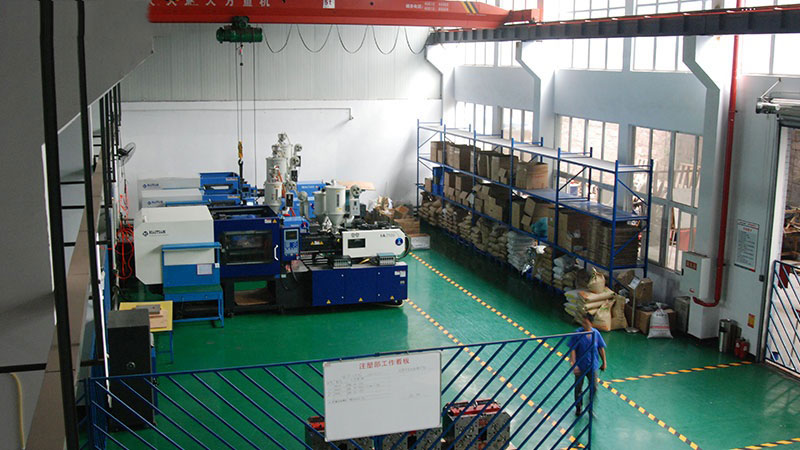
    With a solid RFQ, the supplier verification phase begins. This is the most critical step in your journey. Moving past Alibaba storefronts, employ a multi-layered verification approach. First, conduct a deep digital audit: scrutinize the factory’s official website for technical blogs, case studies, and equipment lists. Use platforms like Google Earth to view facility size and location. Request a virtual video tour, insisting on a live walkthrough of the production floor, quality control lab, and mold trial area—not a pre-recorded promo. Second, demand legal and commercial checks. A legitimate partner will readily provide a business license, and for larger orders, you should consider a third-party background check to confirm ownership, financial health, and export history. This due diligence replaces the “visit” you would do for local “mold manufacturers near me” and is non-negotiable for managing risk.

    The core of your partnership will hinge on professional quality control and communication protocols. For injection mold procurement, never accept “ship and hope.” Implement staged QC milestones tied to payment. A standard protocol includes: 1) Design Review Approval (DFM report), 2) Raw Material Certification, 3) First Article Inspection (FAI) on coordinate measuring machine reports, and 4) Pre-shipment Sample Approval from actual mold trials. Engage a reputable third-party inspection company based in China for the critical final sample and pre-shipment checks. Their unbiased report is your final gatekeeper. Simultaneously, establish a single point of contact on both sides who is technically fluent. Use communication tools like WeChat for daily updates, but formalize all changes via updated drawings and signed change orders. This structured approach eliminates ambiguity and ensures the mold meets your specifications before it ever leaves the factory.

    Navigating logistics, cost, and intellectual property completes your strategic framework. Understand Incoterms 2026 thoroughly; for mold procurement, FOB is often most balanced, giving you control over shipping and insurance once the mold leaves the factory. Ensure the China mold factory provides a detailed packing list and photos of the crated mold for customs. Regarding cost, the lowest quote is often the most expensive in the long run. Analyze quotes for transparency: do they include DFM, mold trials, standard components, and spare parts? Finally, protect your IP with a robust Non-Disclosure Agreement (NDA) and ensure your contract stipulates that all design files and molds are your property. For critical molds, consider serializing mold cavities.

    In conclusion, the successful import of molds from China in 2026 is a disciplined process of digital proximity building. It replaces the geographic limitation of “mold manufacturers near me” with a superior model of verified expertise, controlled processes, and strategic partnership. By mastering the steps of precise specification, multi-faceted supplier verification, staged quality control, and clear contractual safeguards, you transform the perceived complexities of overseas procurement into a competitive advantage. The goal is not merely to buy a mold; it is to secure a manufacturing asset that delivers consistent, high-quality parts for years to come. Embrace this professional framework, and your search for excellence will be globally unlimited.

    Work With Us

    As a professional China mold manufacturer, we provide one-stop mold solution for overseas buyers.
    📞 Phone: +86-18605944639
    💬 WhatsApp: +8618605944639
    🌐 Website: bestmoldworks.com
    📧 Email: [email protected]
  • customized plastic mould manufacturer in China: Compl 2026

    For overseas buyers, sourcing a reliable customized plastic mould manufacturer in China represents a significant strategic advantage. It offers unparalleled cost efficiency, extensive manufacturing capabilities, and rapid scalability. However, the path to a successful partnership is often obscured by concerns over quality control, communication barriers, and supplier verification. As we move through 2026, the landscape is more professional and accessible than ever, provided you navigate it with a structured, informed approach. This guide cuts through the noise to deliver actionable, practical solutions for securing a high-quality injection mold and building a profitable, long-term supply chain.

    Mastering Supplier Verification and Initial Vetting

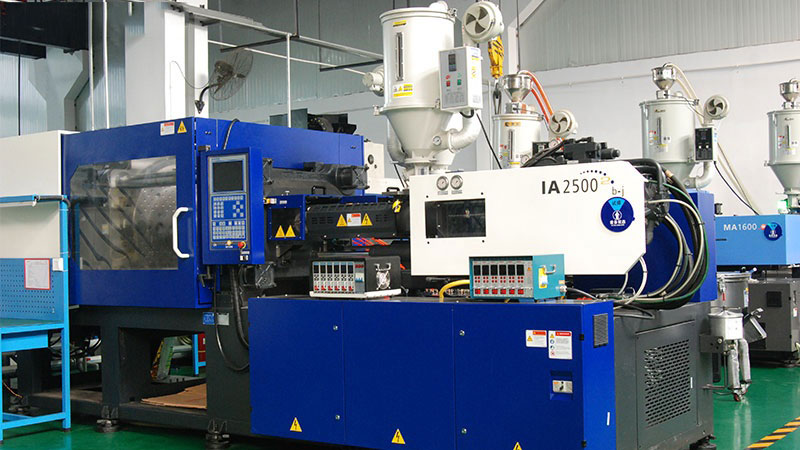
    The foundation of a successful import project is laid during the initial supplier verification stage. In 2026, a manufacturer’s digital footprint is a critical indicator of their professionalism. Begin with a deep dive into their online presence. A credible China mold factory will have a detailed, functional website showcasing engineering case studies, technical specifications of their equipment (e.g., CNC, EDM, CMM machines), and clear organizational information. Utilize B2B platforms but go beyond them; cross-reference the company on professional networks and search for their factory address on satellite maps. The most critical step is to insist on a live video audit. A real-time walkthrough of the production floor, quality lab, and tooling workshop is non-negotiable. It verifies physical assets, operational scale, and workplace standards, moving you from a faceless quote to a tangible partnership.

    Navigating the Technical Quotation and Design Phase

    A precise technical quotation is your first concrete deliverable and sets the tone for the entire project. To avoid costly misunderstandings, your Request for Quotation (RFQ) must be exhaustive. Beyond part drawings, include material specifications (grade and supplier), expected annual volumes, cavity requirements, and target part cost. Clearly state all quality expectations upfront, such as surface finish (SPI standards), tolerances (per ISO 2768 or ASME), and any critical-to-function dimensions. During design reviews, a professional manufacturer will provide Design for Manufacturability (DFM) analysis. This collaborative feedback on draft angles, wall thickness, gate locations, and ejection strategy is a hallmark of a true partner, not just a workshop. It optimizes the mold for longevity, part quality, and production efficiency, solving potential problems before steel is ever cut.

    Implementing Rigorous In-Process Quality Control

    Quality cannot be inspected into a finished mold; it must be built in through every step. Your agreement must define clear Quality Control (QC) milestones with documented evidence. Key checkpoints include material certificates for the mold steel, first article inspection reports after key machining operations, and a pre-shipment sample from the initial trial (T1) with full dimensional report. Specify the use of coordinate measuring machines (CMM) for critical components and mold trials on the actual production-tonnage injection molding machine when possible. In 2026, leading factories provide digital QC dashboards or regular photo/video updates of progress. Establishing a payment schedule linked to these milestones (e.g., 30% deposit, 40% after successful T1 sample approval, 30% before shipment) aligns incentives and ensures you have leverage to enforce standards throughout the procurement cycle.

    Managing Logistics, IP Protection, and Long-Term Partnership

    Finalizing the mold is only half the journey. Clearly define Incoterms 2020 with your chosen customized plastic mould manufacturer in China to avoid unexpected freight and insurance costs. For high-value molds, consider arranging your own cargo insurance. Intellectual Property (IP) protection remains a paramount concern. A robust Non-Disclosure Agreement (NDA) and a product-specific confidentiality clause in the contract are essential. Work with manufacturers who respect IP as a business cornerstone, often indicated by their willingness to sign such agreements and their policies on data security. View successful mold procurement as the start of a lifecycle partnership. A reliable supplier becomes an extension of your engineering team for future modifications, maintenance, and production runs. Building this relationship based on transparent communication and mutual respect is the ultimate solution to sustainable sourcing.

    Conclusion

    Importing a customized plastic injection mold from China in 2026 is a process that rewards diligence, clear communication, and strategic partnership. By implementing a rigorous supplier verification protocol, demanding comprehensive technical collaboration, enforcing staged quality control checkpoints, and securing the commercial and legal aspects of the transaction, overseas buyers can mitigate risks and unlock tremendous value. The goal is to transform the complexity of international procurement into a competitive edge, securing not just a tool, but a reliable manufacturing partner for years to come. With this structured approach, your venture with a China mold factory can be a definitive step toward innovation and market success.

    Work With Us

    As a professional China mold manufacturer, we provide one-stop mold solution for overseas buyers.
    📞 Phone: +86-18605944639
    💬 WhatsApp: +8618605944639
    🌐 Website: bestmoldworks.com
    📧 Email: [email protected]
  • plastic injection mold factory China: Ultimate Guide f 2026

    For global businesses, sourcing from a plastic injection mold factory in China remains a strategic move to achieve significant cost advantages without sacrificing quality. However, the landscape is evolving rapidly. The journey from identifying a supplier to receiving a perfect mold is fraught with potential complexities. This guide for 2026 cuts through the noise, offering a professional, actionable framework for overseas buyers to navigate procurement, ensure rigorous supplier verification, and implement robust quality control. Our focus is not on generic advice but on solving the real problems you face in securing a reliable China mold factory partnership.

    Mastering Supplier Discovery and Verification

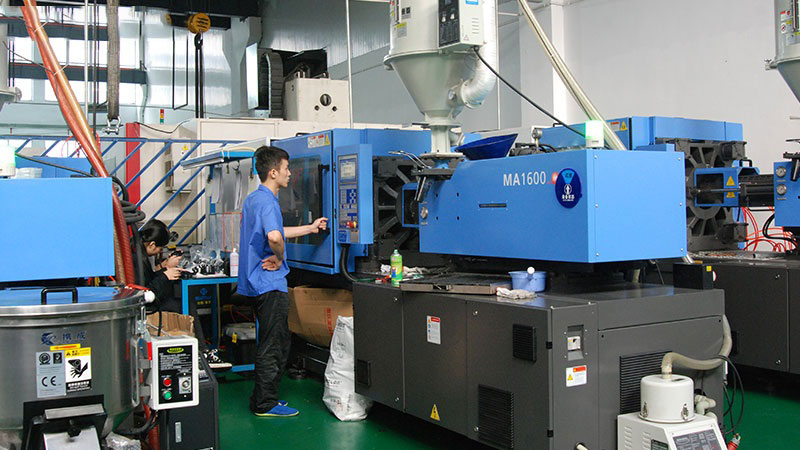
    The initial search can be overwhelming. Moving beyond basic directories like Alibaba is crucial for serious procurement. Start with targeted B2B platforms that cater to industrial manufacturing and attend international trade shows, either virtually or in person, where reputable factories showcase their engineering capabilities. Once you have a shortlist, verification is non-negotiable. In 2026, this goes beyond checking business licenses. Demand a virtual factory tour via video call to assess shop floor organization, machinery brands (e.g., Haitian, Engel, or Sodick EDMs), and cleanliness. Scrutinize their portfolio for molds similar in complexity, material, and volume to your project. Crucially, request and contact references from their existing overseas clients. A transparent China mold factory will have no issue providing this. This due diligence phase is your primary filter against unqualified workshops.

    Engineering Collaboration and DFM Analysis

    A common pitfall is issuing final CAD drawings and expecting a perfect quote. The hallmark of a professional injection mold partner is their proactive engagement in Design for Manufacturability (DFM). Before any metal is cut, a competent supplier will provide a detailed DFM report. This document should analyze your part design, suggesting modifications to wall thickness, draft angles, gate locations, and ejection strategies to enhance moldability, reduce cycle time, and improve part quality. Engage deeply in this technical dialogue. Clarify expectations on mold life (e.g., 100,000 shots vs. 1,000,000 shots), surface finish specifications (SPI standards), and tolerance levels. Clear communication here prevents costly revisions and ensures the injection mold is engineered for performance and longevity from the outset.

    Navigating the Quotation and Contract Phase

    A surprisingly low quote is often the most expensive option. A comprehensive quotation from a plastic injection mold factory in China should be transparently itemized. It must break down costs for mold design, mold base materials (pre-hardened steel, P20, H13, etc.), cavity and core machining, hot runner system (brand and type), standard components, and testing. Crucially, it should specify the number of trial shots included, the format of approval reports (with CMM data, photos, and sample parts), and warranty terms. Your contract must explicitly state ownership of the mold design and tooling. Define milestones, payment terms (e.g., 30-40% deposit, 40% after T1 sample approval, balance before shipment), and protocols for handling design changes. This legal and commercial clarity protects your investment.

    Implementing Stage-Gate Quality Control

    Relying solely on final inspection is a high-risk strategy. Implement a staged quality control process with clear gates. Key inspection points include: 1) **Steel Material Certification:** Verify material test reports for the mold base and core/cavity inserts upon purchase. 2) **First Article Inspection (FAI):** After the initial trial shots (T1), you must receive comprehensive data. This includes CMM reports confirming part dimensions against the CAD model, texture and finish samples, and functional testing of assemblies. 3) **Pre-Shipment Audit:** Either use a trusted third-party inspection service or conduct a final virtual audit. They should check the final mold for workmanship, complete documentation (drawings, maintenance manual), and perform a sample production run to confirm cycle time and part consistency. This proactive quality control regimen is your best insurance against substandard deliverables.

    Logistics, Ownership, and Long-Term Partnership

    Finalizing the mold is only half the journey. Decide on incoterms (FOB is common) and ensure the supplier provides professional export packaging to prevent rust and damage during transit. Understand all export documentation requirements. For long-term production, discuss the terms of mold storage and maintenance at the factory. If you plan to transfer the mold eventually, the process and cost should be outlined in the initial contract. Viewing the relationship as a partnership yields the best results. A reliable China mold factory becomes an extension of your engineering team, offering insights for future projects and ensuring consistent production quality for years. Their value extends far beyond the initial unit cost of the injection mold.

    Conclusion

    Successfully importing molds from China in 2026 demands a shift from a simple price-based purchasing mindset to a technical partnership and risk management approach. The core of your strategy must be rooted in meticulous supplier verification, active engineering collaboration, transparent contracts, and staged quality control. By following this structured framework, you transform the complex process of engaging a plastic injection mold factory China into a predictable, professional, and highly advantageous endeavor. The ultimate goal is not just to buy a mold, but to secure a critical manufacturing asset and a reliable production partner that drives your product’s success in the global market.

    Work With Us

    As a professional China mold manufacturer, we provide one-stop mold solution for overseas buyers.
    📞 Phone: +86-18605944639
    💬 WhatsApp: +8618605944639
    🌐 Website: bestmoldworks.com
    📧 Email: [email protected]
  • custom injection molding near me: Reliable Manufactur 2026

    For overseas buyers and product developers, the search for “custom injection molding near me” often leads to a critical realization: the most viable solution for high-quality, cost-effective production may not be geographically near at all. Instead, it lies in partnering with specialized manufacturers across the globe. As we look toward 2026, building a reliable supply chain with a proficient China mold factory is not just an option; it is a strategic imperative for staying competitive. This guide cuts through the noise to provide actionable strategies for overseas procurement teams to successfully navigate the process of importing precision injection molds from China, ensuring quality, reliability, and value.

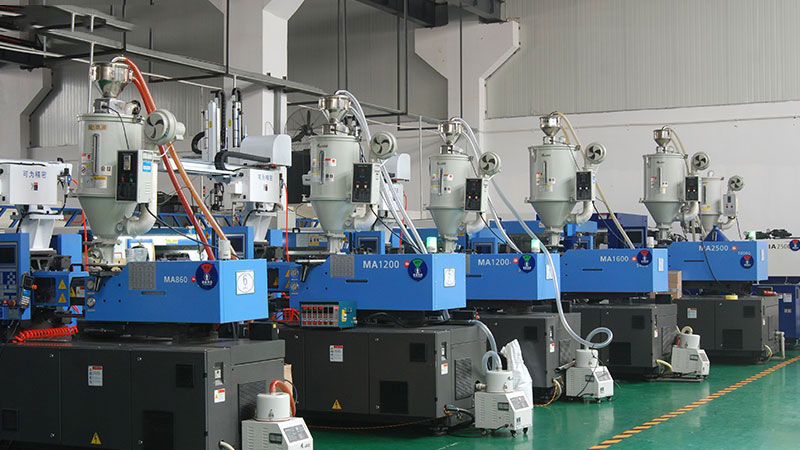
    The foundation of a successful partnership begins long before a purchase order is issued. It starts with meticulous supplier verification. Moving beyond simple online directories, the most effective approach involves a multi-layered vetting process. First, utilize in-depth video tours and virtual audits to inspect the factory floor, machinery (look for modern CNC, EDM, and injection molding machines), and quality control stations. Second, insist on speaking directly with engineering project managers, not just sales representatives. Their technical depth will reveal the true capability of the supplier. Third, request and critically review a portfolio of past projects, specifically for products similar in complexity and material to yours. This due diligence transforms an unknown entity into a vetted potential partner, mitigating the primary risk in overseas procurement.

    Once a shortlist of capable suppliers is established, the focus must shift to uncompromising quality control protocols. The adage “trust, but verify” is paramount. For your injection mold, mandate a First Article Inspection (FAI) report and a detailed dimensional report using CMM (Coordinate Measuring Machine) data. These documents provide objective evidence that the mold meets all design specifications. Furthermore, establish clear agreement on mold flow analysis before steel is cut; a reputable China mold factory will use this simulation to predict and prevent defects like warping or short shots. For the subsequent production runs, define AQL (Acceptable Quality Level) standards and consider engaging a third-party quality inspection service based in China for pre-shipment inspections. This layered QC approach protects your investment and ensures the molded parts you receive are consistent and to print.

    Effective communication and project management form the bridge between your design intent and the final product. The challenge of time zones and language barriers must be proactively managed. Designate a single point of contact on both sides and utilize collaborative tools that allow for clear markups on drawings and 3D models. Ensure all technical documents, including the 3D CAD model, 2D drawings with GD&T, and material specifications, are finalized and agreed upon before tooling begins. A professional supplier will ask clarifying questions; view this as a sign of engagement, not hesitation. Regular, scheduled update meetings—even if brief—are more effective than sporadic emails. This structured communication prevents costly misunderstandings and delays, making the distant supplier feel as responsive as a local “custom injection molding near me” service.

    Understanding the total cost of ownership, not just the initial quotation, is crucial for procurement success. While the upfront tooling cost from a Chinese supplier is often attractive, savvy buyers analyze the entire lifecycle. Scrutinize quotations for details on mold steel grade (such as pre-hardened 718H or S136), cavity life expectancy, and the terms for mold maintenance and repair. Discuss who holds the intellectual property and the physical mold itself upon completion. A reliable partner will be transparent about these factors. Furthermore, consider logistical planning early. Factor in shipping, import duties, and potential inventory holding costs. A slightly higher tooling cost from a factory with a proven track record of robust molds that produce consistent parts with minimal downtime often yields a far lower cost per part over the project’s life.

    The journey culminates in building a strategic, long-term partnership. View your chosen China mold factory not as a one-off vendor, but as an extension of your manufacturing arm. This perspective is the core of “Reliable Manufactur 2026.” Share your product roadmap and future plans; this enables your supplier to invest in the relationship and anticipate your needs. For ongoing production, discuss vendor-managed inventory or consignment stock arrangements to streamline your supply chain. As trust builds, this partnership can evolve into collaborative problem-solving and joint innovation, offering you agility and competitive advantages that a purely transactional, local “custom injection molding near me” search may not provide.

    In conclusion, the quest for reliable custom injection molding in 2026 is defined not by proximity, but by process, verification, and partnership. By rigorously verifying suppliers, implementing stringent quality control, mastering cross-border communication, analyzing true costs, and fostering strategic collaboration, overseas buyers can confidently import molds from China. This approach transforms geographical distance from a perceived risk into a definitive advantage, securing access to world-class manufacturing expertise, scalability, and cost efficiency. The future of manufacturing is globally integrated, and with these actionable strategies, your business is positioned to lead.

    Work With Us

    As a professional China mold manufacturer, we provide one-stop mold solution for overseas buyers.
    📞 Phone: +86-18605944639
    💬 WhatsApp: +8618605944639
    🌐 Website: bestmoldworks.com
    📧 Email: [email protected]
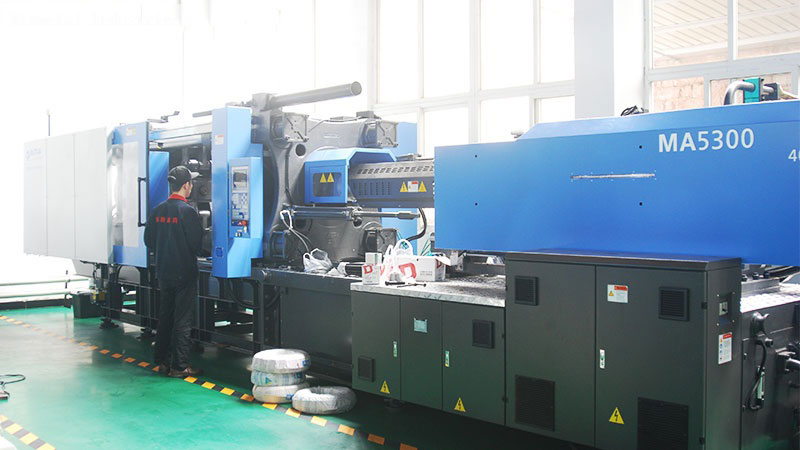
  • plastic injection mold manufacturer in china: Expert T 2026

    For overseas buyers, sourcing a reliable plastic injection mold manufacturer in China remains one of the most impactful decisions for product development, cost efficiency, and supply chain stability. The potential for significant cost savings and access to advanced manufacturing capabilities is immense, yet the journey is often fraught with challenges in supplier verification, communication, and quality assurance. As we look toward 2026, the landscape is evolving with smarter technology and more transparent processes. This guide cuts through the noise to provide actionable, professional strategies for navigating the Chinese mold manufacturing sector successfully, ensuring your procurement process is built on a foundation of clarity and confidence.

    Mastering Supplier Verification Beyond the Website

    The initial search will yield countless China mold factory options, but true verification begins where the polished website ends. In 2026, due diligence must be multi-layered. First, move beyond Alibaba storefronts. Utilize professional B2B platforms like Made-in-China or Global Sources, but treat them as directories, not vetting agencies. The critical step is to conduct a virtual factory audit. Insist on a real-time video tour via video call, not a pre-recorded clip. Observe the workshop floor: look for organization, the condition and brands of machinery (e.g., Sodick, DMG Mori, Haitian), and the presence of a dedicated quality control area. Request to see similar mold projects they have completed for other overseas clients, with an emphasis on those in your industry. Furthermore, verify business licenses through third-party services and ask for direct contact details of two recent international clients for a reference check. A professional plastic injection mold manufacturer in China will be transparent and accommodating throughout this process, viewing it as a sign of a serious buyer.

    Defining Specifications and Managing Communication with Precision

    Ambiguity is the primary cause of cost overruns, delays, and substandard molds. Your technical data package (TDP) must be impeccable. Beyond 3D CAD files (STEP or IGES), provide comprehensive 2D drawings with GD&T (Geometric Dimensioning and Tolerancing), clearly specifying critical dimensions, surface finish requirements (SPI standards), mold steel grade (e.g., P20, H13, S136), and expected cavity life. Detail the resin material, including its shrinkage rate, and the intended injection molding machine parameters. To bridge the communication gap, employ bilingual technical staff or a trusted sourcing agent on your side. During discussions, use visual aids—marked-up screenshots, diagrams, and even sample parts. Establish a single point of contact on both sides and mandate regular update meetings with shared minutes. This structured approach ensures your chosen China mold factory interprets your requirements exactly as intended, minimizing costly revisions.

    Implementing a Proactive and Phased Quality Control Protocol

    Waiting for the finished mold to conduct inspection is a high-risk strategy. The expert approach for 2026 involves integrated, phased quality control (QC) that runs parallel to production. Define a QC checklist and critical inspection points (IPQC) before manufacturing begins. These typically include: material certification for the steel, inspection of the finished mold base, first article inspection (FAI) after CNC machining, and a thorough trial run (T1) with sample parts. For high-value molds, engage a local third-party inspection company in the factory’s city to conduct these on-site checks. They can perform CMM (Coordinate Measuring Machine) measurements, mold flow analysis verification, and part dimension validation. This phased investment in QC is non-negotiable; it identifies issues at the stage where they are cheapest and fastest to correct, protecting your investment and timeline.

    Navigating Logistics, IP Protection, and Total Cost Understanding

    The final hurdle involves securing your asset and managing its journey to your production line. Intellectual Property (IP) protection starts with a robust Non-Disclosure Agreement (NDA) and a product confidentiality agreement, tailored to Chinese jurisdiction and signed before sharing any technical data. While enforcement can be complex, these documents establish a legal framework and deter bad actors. Regarding cost, look beyond the initial mold quote. Understand the total cost of procurement: mold price, payment terms (typically 30-50% deposit, balance before shipment), T1 sample shipping costs, potential mold modification fees, and international logistics. For logistics, decide between FOB (Free on Board) or EXW (Ex Works) terms. For high-precision molds, consider air freight for its speed and reduced handling risk compared to sea freight. Ensure the China mold factory professionally crates the mold with proper desiccant and rust prevention, and procure adequate marine insurance for the shipment.

    Building a Partnership for Long-Term Production

    The most successful procurement strategies view the mold builder not as a one-time vendor but as a long-term partner for future projects and potential production molding. A reliable injection mold supplier is an extension of your engineering team. Discuss future needs upfront: will they support mold maintenance, repair, or modifications? Can they handle subsequent high-volume production runs of the plastic parts? Evaluating their full-service capability adds significant long-term value. After successful project completion, formalize the relationship with a framework agreement that outlines terms for future collaboration, streamlining the process for your next project. This forward-thinking approach transforms a transactional purchase into a strategic supply chain asset.

    Conclusion

    Importing injection molds from China in 2026 demands a blend of rigorous verification, precise communication, staged quality control, and strategic logistics planning. By implementing these expert tips—from conducting immersive virtual audits and defining crystal-clear specifications to enforcing phased inspections and securing your intellectual property—you significantly de-risk the procurement process. The goal is to move from perceiving China as a source of cheap tooling to engaging with it as a hub of professional, high-quality manufacturing expertise. A disciplined, detail-oriented approach will enable you to identify and collaborate with a top-tier plastic injection mold manufacturer in China, securing not just a tool, but a critical component for your product’s success and a valuable partnership for years to come.

    Work With Us

    As a professional China mold manufacturer, we provide one-stop mold solution for overseas buyers.
    📞 Phone: +86-18605944639
    💬 WhatsApp: +8618605944639
    🌐 Website: bestmoldworks.com
    📧 Email: [email protected]

  • injection molding manufacturer in china: Complete Procu 2026

    For overseas buyers, sourcing from an injection molding manufacturer in China remains one of the most strategic decisions to achieve cost efficiency and scale production. However, the landscape is evolving rapidly. What worked in procurement five years ago may lead to costly mistakes today. This guide is designed for 2026, cutting through the noise to provide a modern, actionable framework for partnering with a China mold factory successfully. We move beyond simple supplier lists to focus on the processes that guarantee a reliable supply chain, mitigate risk, and ensure the injection mold you receive meets your exact specifications for quality, timing, and budget.

    The cornerstone of a successful import project is rigorous supplier verification. The era of selecting a partner based solely on an Alibaba storefront is over. In 2026, verification is a multi-layered due diligence process. Start with a deep dive into the manufacturer’s core competencies. Do they specialize in your industry or mold type? Request detailed case studies, not just glossy photos. Utilize video calls to conduct virtual factory tours, insisting on seeing live production floors and quality labs, not staged areas. Crucially, verify business licenses and export credentials. Third-party verification platforms can provide valuable data on a company’s operational history and financial health. Remember, a true partner-level injection molding manufacturer in china will be transparent and proactive in providing this information, viewing your scrutiny as a sign of serious intent.

    Once a potential partner is shortlisted, the technical and commercial procurement phase begins. This is where clarity prevents future conflict. Your Request for Quotation (RFQ) must be exceptionally detailed. Beyond part drawings, include specifications for mold steel grade (e.g., P20, H13, S136), expected lifecycle, cavity number, and surface finish requirements. Clearly state your tolerances and critical-to-quality dimensions. For the injection molding process itself, specify the resin material, color requirements, and any post-processing needs like assembly or ultrasonic welding. A professional China mold factory will review this packet and ask insightful questions, not just provide a bottom-line price. Be wary of quotes that are significantly lower than the market average; this often indicates corner-cutting on materials or a misunderstanding of your specs that will surface later as a problem.

    The most critical phase, and where many overseas buyers face challenges, is proactive quality control integrated throughout the manufacturing journey. Do not wait for the final shipment to inspect. Implement a staged Quality Control (QC) protocol. Key inspection points include: First Article Inspection (FAI) after the mold trial, where initial samples are measured against all dimensions; a Pre-Production Inspection once the mold is fine-tuned and pilot runs are conducted; and a final During Production Inspection (DPI) or Pre-Shipment Inspection (PSI) to audit random samples from the bulk order. Employ a trusted third-party QC service based in China for the DPI/PSI. They provide an unbiased report on workmanship, function, and packaging. This layered approach ensures issues are caught at the mold stage, where they are cheaper and faster to fix, rather than discovering defective products in your home country.

    Navigating logistics, intellectual property (IP) protection, and payment terms requires a modern strategy. For IP, a robust Non-Disclosure Agreement (NDA) is a minimum first step. Consider registering your design patents in China. Contractually, define who owns the mold (tooling) design. Many reputable suppliers now accept milestone-based payments (e.g., 30% deposit, 40% after mold trial approval, 30% before shipment), which aligns interests and reduces risk. For logistics in 2026, factor in geopolitical and economic variables. Discuss Incoterms explicitly—FOB is common, giving you control over shipping. Build contingency plans for potential delays and ensure your supplier is experienced in preparing all necessary export documentation correctly. A professional partner will guide you through this, not leave you to figure it out alone.

    Building a successful relationship with your chosen injection molding manufacturer in china is a long-term investment. Communication is paramount. Establish clear primary and secondary contacts, and use collaborative project management tools to track progress. Schedule regular update calls. View your supplier as a strategic partner, not just a transactional vendor. Providing feedback, paying invoices promptly, and planning forecasts collaboratively can lead to preferential treatment, proactive innovation suggestions, and priority scheduling during high-demand periods. This partnership mindset transforms a one-off procurement into a resilient and competitive advantage for your business.

    The journey to import high-quality injection molds from China in 2026 demands a sophisticated, process-driven approach. It is no longer merely about finding the lowest cost but about identifying a capable, transparent, and communicative partner. By mastering supplier verification, detailed procurement, staged quality control, and strategic relationship management, you transform the inherent complexities of overseas manufacturing into a reliable, high-value stream for your products. The complete procurement process outlined here is your blueprint for building a supply chain that is not only cost-effective but also robust, quality-focused, and built for the challenges and opportunities of the future. Start your next project with this framework, and you will be positioned for success.

    Work With Us

    As a professional China mold manufacturer, we provide one-stop mold solution for overseas buyers.
    📞 Phone: +86-18605944639
    💬 WhatsApp: +8618605944639
    🌐 Website: bestmoldworks.com
    📧 Email: [email protected]

  • china mold supplier: Expert Tips & Solutions 2026 | China Mold Factory

    For overseas buyers, sourcing and importing molds from China represents a significant strategic advantage, offering access to advanced manufacturing capabilities at competitive costs. However, the journey from identifying a potential partner to receiving a flawless injection mold is fraught with complexities. Navigating this landscape requires more than just a simple supplier list; it demands a structured, informed approach to procurement, verification, and quality assurance. This guide provides actionable, professional solutions for 2026, designed to help you secure a reliable partnership with a proficient China mold factory and ensure your project’s success.

    The cornerstone of successful procurement is meticulous supplier verification. In the digital age, a professional website and glossy brochure are merely entry tickets. Deep due diligence is non-negotiable. Begin by verifying the business license and export credentials. Request and scrutinize a detailed company profile that outlines their engineering team’s expertise, machine inventory (such as CNC, EDM, and CMM machines), and annual production capacity. Crucially, move beyond curated case studies. Ask for specific, verifiable references from clients in your region or industry. A video conference factory tour is now a standard request; a reputable China mold supplier will readily conduct a live walkthrough of their facility, showcasing their workshop organization, equipment condition, and ongoing projects. This step filters out trading companies masquerading as manufacturers and aligns you with true production partners.

    Once a potential partner is vetted, the next critical phase is engineering collaboration and design for manufacturability (DFM). The cheapest quotation often becomes the most expensive if it overlooks this step. Insist on a comprehensive DFM report before any tool steel is cut. A professional China mold factory will analyze your 3D part design, identifying potential issues like wall thickness inconsistencies, undercuts, gate locations, and ejection challenges. They should provide actionable feedback to optimize the part for the injection molding process, suggesting modifications that enhance durability, reduce cycle time, and improve final part quality. This collaborative engineering dialogue is where true value is created, preventing costly mold reworks and production headaches later. Clear communication of all technical standards—from mold base standards (LKM, HASCO, DME) to surface finish specifications (SPI/VDI)—is essential at this stage.

    A transparent and detailed commercial agreement is your project’s blueprint. The procurement contract must go beyond just price and delivery time. It should be a technical and commercial master document. Specify every component: the grade and certification of mold steel (e.g., pre-hardened 718H or S136), the brand of standard components (like HASCO ejector pins or Meusburger guides), and the expected mold life (number of shots). Clearly outline the payment schedule, typically structured in milestones (e.g., 30-40% deposit, 40% after T1 sample approval, balance before shipment). Crucially, define the sample approval process. How many trial shots (T1, T2) are included? What is the protocol for submitting sample inspection reports and dimensional measurement data? A professional contract leaves no room for ambiguity, protecting both parties and setting clear expectations.

    Robust quality control (QC) cannot be an afterthought; it must be integrated into every stage of the mold manufacturing process. Relying solely on final inspection is a high-risk strategy. Engage your China mold supplier to implement a staged inspection protocol (IPQC). This includes checking the mold frame after machining, inspecting the finished cavity and core blocks before assembly, and a thorough evaluation during the first trial run. For high-precision molds, insist on a CMM report for the finished mold cavities. During the Trial Run (T1), be prepared to either send a representative or hire a trusted third-party QC agency in China to witness the test, measure sample parts, and verify performance against the agreed specifications. This hands-on oversight at the source is far more effective and economical than discovering defects after the mold has been shipped to your country.

    Finally, consider the total cost of ownership, not just the initial purchase price. A reliable china mold supplier acts as a long-term partner for your production needs. Discuss their post-sales support structure. What is their policy and response time for mold maintenance, repairs, or modifications? Do they offer storage services for your mold if production is periodic? Furthermore, evaluate their capability and willingness to support future production runs. A factory that excels at mold making may not be optimized for high-volume injection molding production. Understanding their full service spectrum—from prototype tooling to mass production—ensures a seamless transition and a sustainable partnership for years to come.

    Importing molds from China in 2026 demands a blend of traditional procurement acumen and modern verification techniques. The path to success is built on a foundation of rigorous supplier verification, deepened by collaborative engineering, solidified by iron-clad contracts, and assured through embedded quality control. By viewing your chosen China mold factory as a strategic extension of your own engineering and production team, you transform the procurement process from a transactional cost-center into a competitive advantage. The goal is not merely to buy a tool, but to invest in a partnership that delivers precision, reliability, and value throughout your product’s lifecycle.

    Work With Us

    As a professional China mold manufacturer, we provide one-stop mold solution for overseas buyers.
    📞 Phone: +86-18605944639
    💬 WhatsApp: +8618605944639
    🌐 Website: bestmoldworks.com
    📧 Email: [email protected]

  • custom mold: Complete Procurement Guide 2026 | China Mold Factory

    For overseas buyers, the decision to import a custom mold represents a significant step in product development and manufacturing strategy. China remains the global epicenter for mold manufacturing, offering unparalleled expertise, scalability, and cost efficiency. However, navigating this complex landscape requires more than just finding the lowest quote. A successful procurement journey hinges on a structured, informed approach that mitigates risk and ensures a high-quality outcome. This guide is designed to provide you with actionable, professional strategies for partnering with a reliable China mold factory in 2026, transforming a daunting process into a streamlined and successful investment.

    The foundation of any successful import project is thorough supplier verification. In 2026, due diligence extends far beyond a website and a price list. Begin by verifying the factory’s business license and export credentials. Prioritize suppliers with proven experience in your specific industry, whether it’s automotive, medical, consumer electronics, or packaging. Request detailed case studies and, crucially, contact past international clients for references. Utilize video conferencing to conduct virtual factory tours; a reputable China mold factory will readily showcase their workshop, machinery (look for modern CNC, EDM, and injection molding machines), and quality control stations. Assess their engineering team’s capability by discussing your project technically. A supplier that asks insightful questions about your material, tolerances, cavity requirements, and end-use application at this stage is demonstrating the professional engagement necessary for a complex custom mold project.

    Once a qualified supplier is shortlisted, the procurement process must be anchored in crystal-clear technical communication. The single most critical document is the comprehensive Request for Quotation (RFQ). Your RFQ should include not just a 3D model (STEP or IGES format) but also a detailed technical specification sheet. This sheet must cover material grade (e.g., P20, H13, Stainless 420), surface finish requirements (SPI standards), critical dimensions and tolerances (GD&T where applicable), mold flow analysis expectations, and details on mold structure (number of cavities, hot runner system preference, cooling channel design). Explicitly state all deliverables: final inspected sample parts, 2D drawings, and mold design files. This meticulous documentation eliminates ambiguity, ensures all quotations are based on identical parameters, and forms the binding basis for your purchase order and subsequent quality control.

    Managing quality control proactively is non-negotiable when importing from another continent. The 2026 standard is a multi-stage inspection protocol integrated into the payment terms. Agree on a schedule for Design for Manufacturability (DFM) review, followed by First Article Inspection (FAI) after the mold is manufactured but before mass production of samples. The most critical stage is the Trial Run Report. Insist on a full trial at the factory with video evidence. The report should document process parameters, measure sample parts against your specifications, and include high-resolution photos of the molded parts and the mold itself. For high-value or high-volume projects, consider engaging a local third-party quality inspection firm for an independent Pre-Shipment Inspection (PSI). This layered approach shifts quality assurance from a reactive final check to a proactive, collaborative process managed throughout the custom mold development cycle, safeguarding your investment.

    Finally, understanding the total cost of ownership and logistical framework is essential. While unit price for the mold is a key factor, the most competitive offer considers long-term value. Discuss maintenance, warranty on materials and workmanship (typically 1-2 years), and the availability of spare components like ejector pins and cores. Clarify Incoterms 2026 definitively—FOB Shanghai is common, placing responsibility for shipping and insurance on you, the buyer. Work with your supplier and a trusted freight forwarder to plan logistics, especially for large, heavy molds. Ensure proper crating and export documentation are provided. Furthermore, a professional China mold factory should offer ongoing support for mold maintenance and troubleshooting, which is a significant aspect of the long-term partnership. This holistic view of cost, logistics, and after-sales service ensures your procurement is efficient and sustainable beyond the initial delivery.

    In conclusion, importing a custom mold from China in 2026 is a highly strategic endeavor that, when executed correctly, delivers immense competitive advantage. The process demands a shift from a simple buyer-vendor transaction to a technical partnership. Success is built on rigorous supplier verification, uncompromising clarity in technical specifications, a proactive and staged quality control regimen, and a comprehensive understanding of total project costs and logistics. By applying this structured guide, you position yourself to leverage the sophisticated capabilities of a top-tier China mold factory. The result is not merely a tool, but a precision-engineered asset that reliably produces high-quality components, driving your product’s success in the global market for years to come.

    Work With Us

    As a professional China mold manufacturer, we provide one-stop mold solution for overseas buyers.
    📞 Phone: +86-18605944639
    💬 WhatsApp: +8618605944639
    🌐 Website: bestmoldworks.com
    📧 Email: [email protected]

  • Custom silicone molds for resin: Best Suppliers & Qua 2026

    For artisans, small businesses, and large manufacturers worldwide, the ability to create unique resin products is a powerful competitive edge. At the heart of this creativity lies the precision tooling: the custom silicone molds for resin. As we look toward 2026, China remains the global epicenter for manufacturing these essential tools, offering unparalleled scalability and cost efficiency. However, navigating this complex market requires more than just a simple search; it demands a strategic approach to procurement and supplier verification. This guide is designed to equip overseas buyers with actionable, professional insights to secure high-quality custom silicone molds for resin from reliable Chinese partners, ensuring your projects are built on a foundation of quality and reliability.

    The journey begins long before you request a quote. Comprehensive supplier verification is your first and most critical line of defense. In 2026, a reputable China mold factory will have a transparent digital footprint. Scrutinize their business licenses (look for an official Chinese business registration), and prioritize suppliers with detailed case studies, not just generic product galleries. Specifically, seek out examples of custom silicone molds for resin projects similar in complexity to yours. Utilize video platforms to find factory walkthroughs and manufacturing process videos, which offer unfiltered glimpses into their operations and cleanliness standards. Furthermore, leverage international B2B platforms not just for discovery, but to analyze transaction histories and client reviews from other overseas buyers. This due diligence phase separates marketing fronts from genuine manufacturing experts.

    Once you have a shortlist of potential partners, your communication during the quotation phase sets the tone for the entire project. Professional Chinese manufacturers expect and respect detailed inquiries. When discussing your custom silicone molds for resin, provide exhaustive specifications: the 3D design files (STEP or IGS format are industry standards), the type of resin you will use (epoxy, polyurethane, etc.), expected production volume from the mold, and required dimensional tolerances. Be explicit about surface finish expectations—whether you need a glossy, matte, or textured imprint. This clarity prevents costly misunderstandings. A trustworthy supplier will ask informed questions about draft angles, undercuts, and venting to ensure mold functionality, rather than simply accepting your files without technical feedback. Their questions are a sign of their expertise in mold making, distinguishing them from mere order-takers.

    The term “injection mold” often appears in this industry, but it is crucial to understand the distinction. While the core principles of precision tooling apply, traditional hard injection molds are for mass-producing plastic parts. For resin artisans, the process typically involves pouring liquid resin into a flexible silicone mold. However, the master pattern used to create your silicone mold may itself be produced using advanced techniques like CNC machining or even plastic injection molding. Therefore, when evaluating a China mold factory, inquire about their end-to-end capabilities. Can they create the master model in-house? Do they use high-grade, platinum-cure silicone for superior durability and bubble-free casts for your resin projects? Understanding their full process flow ensures they control the quality at every critical stage, from the initial master to the final flexible mold.

    Implementing rigorous quality control (QC) protocols is non-negotiable for overseas procurement. Do not assume standards are universal. Define your QC requirements in the purchase contract. For the first article, insist on a Data Report including precise dimensional checks with calibrated instruments and high-resolution photographs from multiple angles. For ongoing batches, specify AQL (Acceptable Quality Level) sampling standards. Many experienced buyers in 2026 invest in third-party inspection services located near the factory for pre-shipment inspections. An inspector can verify material certifications for the silicone, check for imperfections like tears or air bubbles, and even perform a test pour with resin to confirm perfect demolding and detail capture. This objective checkpoint before shipment mitigates the significant risk of receiving a substandard batch of molds, saving you time, money, and client trust.

    Finally, view your supplier relationship as a strategic partnership for 2026 and beyond. The most successful import transactions are repeatable. After a successful initial order, work with your supplier to document the entire process—approved materials, parameters, and packaging standards. This creates a reliable benchmark for future reorders or new designs. Discuss their capacity for scaling production if your demand grows. A forward-thinking supplier will be interested in your long-term vision and may offer valuable insights into material innovations or efficiency improvements for your custom silicone molds for resin. This collaborative approach transforms a transactional vendor into a true extension of your production team, providing stability and innovation as your business evolves.

    Sourcing custom silicone molds for resin from China in 2026 presents a tremendous opportunity for quality and value, but it is an opportunity that must be seized with strategy and diligence. The landscape is defined by technical expertise, not just low cost. By mastering supplier verification, communicating with precision, understanding the nuances between an injection mold for masters and your final silicone product, enforcing stringent quality control, and fostering long-term partnerships, you can confidently navigate the market. The best suppliers are those who partner in problem-solving, ensuring that the molds you import become the reliable foundation for your creative and commercial success for years to come.

    Work With Us

    As a professional China mold manufacturer, we provide one-stop mold solution for overseas buyers.
    📞 Phone: +86-18605944639
    💬 WhatsApp: +8618605944639
    🌐 Website: bestmoldworks.com
    📧 Email: [email protected]

  • custom molded plastic parts: Ultimate Guide for Buyers 2026

    For overseas businesses, sourcing custom molded plastic parts from China remains a strategic move to balance quality, innovation, and cost. However, the landscape is evolving. Success in 2026 demands more than just finding the lowest quote; it requires a sophisticated approach to partnership, verification, and quality assurance. This guide cuts through the noise to provide you with actionable, professional strategies for navigating the Chinese manufacturing sector, ensuring your next project in custom molded plastic parts is executed flawlessly from concept to delivery.

    The foundation of any successful import project is selecting the right China mold factory. Begin your procurement process with a focus on specialization. Not all mold makers are created equal; some excel at micro-precision components for medical devices, while others are geared towards high-volume automotive panels. Use detailed requests for quotation (RFQs) that include part drawings, material specifications (e.g., ABS, PP, PC), expected volumes, and critical tolerances. This filters out incapable suppliers immediately. Prioritize factories that ask insightful questions about your design, application, and lifecycle needs. In 2026, leverage video conferencing for virtual factory tours—pay close attention to their machine park (the age and brand of injection molding machines), cleanroom capabilities if needed, and their mold maintenance area. A partner who invests in their equipment and environment invests in your product’s quality.

    Once you have a shortlist, rigorous supplier verification is non-negotiable. Move beyond basic business license checks. Insist on audited reports like SGS or BV, which validate operational and quality management systems. Crucially, request and contact references from their existing overseas clients, preferably in your region or industry. Discuss not just product quality, but communication efficiency, problem-solving responsiveness, and adherence to timelines. In today’s digital age, analyze their digital footprint: a professional, informative website and active technical content sharing are indicators of a forward-thinking supplier. For high-value projects, consider hiring a local third-party inspection agency to conduct an on-site audit before any contract is signed. This due diligence, though an upfront cost, mitigates immense downstream risk and is a hallmark of professional procurement.

    The technical heart of your project is the injection mold itself. Treat mold design and engineering as a collaborative phase, not something you fully outsource. A reputable China mold factory will provide a detailed mold flow analysis (MFA) report. This simulation predicts how plastic will fill the mold cavity, identifying potential defects like air traps, weld lines, or sink marks before steel is ever cut. Insist on reviewing this and approve the final mold design. Clearly define mold ownership and maintenance responsibilities in your contract. Discuss steel grade (e.g., P20, H13 for longer life) and cavity number. Remember, the initial investment in a robust, well-engineered injection mold pays dividends through faster cycle times, fewer production stoppages, and consistent part quality over hundreds of thousands of shots.

    Proactive quality control is what separates successful imports from costly failures. Do not assume quality; build it into the process through defined protocols. Implement a staged QC plan: First Article Inspection (FAI) after sample approval, In-Process Quality Control (IPQC) during production runs, and Pre-Shipment Inspection (PSI). Provide your supplier with clear, measurable Acceptance Quality Limits (AQL) for critical, major, and minor defects. For precision custom molded plastic parts, consider supplying calibrated gauges or CMM fixtures to ensure measurement consistency. Modern suppliers should be capable of providing real-time production data and photographic evidence of QC checks. Establishing a clear non-conformance reporting (NCR) process ensures that any quality deviations are documented, addressed, and corrected systematically, protecting your supply chain integrity.

    Finally, master the logistical and contractual framework. Use Incoterms 2020 precisely—terms like FOB Shanghai or EXW clearly delineate where your responsibility and costs begin. For prototypes and small batches, air freight might be viable, but for production volumes, sea freight is economical. Plan for mold shipment; a well-crated mold is a valuable asset. Ensure your contract explicitly covers key aspects: payment terms (typically staggered across design, mold completion, and production), intellectual property (IP) protection and confidentiality, warranty period for the injection mold and the produced parts, and liability clauses. Using a letter of credit (LC) can offer security for both parties in large transactions. Clear contracts prevent misunderstandings and provide a legal roadmap for resolution.

    Importing custom molded plastic parts from China in 2026 is an exercise in strategic partnership and meticulous management. By focusing on specialized supplier selection, conducting thorough verification, collaborating on mold engineering, enforcing stringent quality control, and solidifying clear contracts, you transform potential risks into a reliable competitive advantage. The goal is to build a relationship with your China mold factory that is based on transparency and mutual success, ensuring a stream of high-quality components that support your product’s market excellence for years to come.

    Work With Us

    As a professional China mold manufacturer, we provide one-stop mold solution for overseas buyers.
    📞 Phone: +86-18605944639
    💬 WhatsApp: +8618605944639
    🌐 Website: bestmoldworks.com
    📧 Email: [email protected]