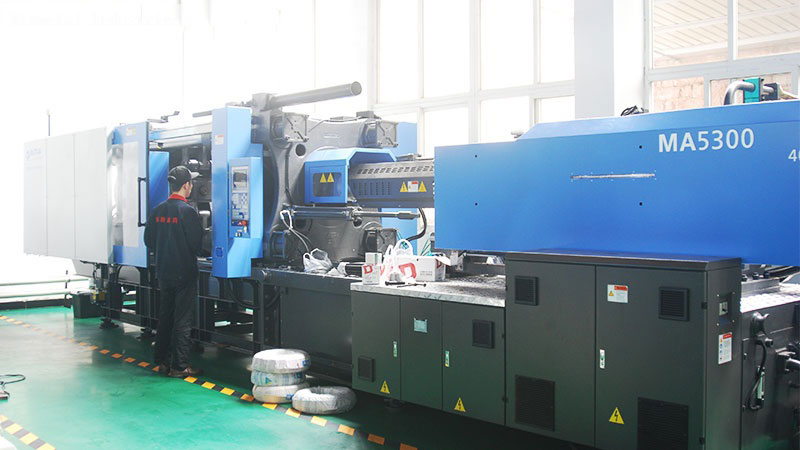
For overseas businesses, sourcing precision tooling from China remains a strategic move to balance cost, capability, and speed to market. However, navigating the vast landscape of suppliers can be daunting. This guide is designed to cut through the complexity, offering a clear, actionable roadmap for 2026. We will move beyond simple directory listings to focus on practical strategies for identifying, vetting, and collaborating with a professional **mold manufacturer** to ensure your project’s success from quotation to production.
The foundation of a successful import project lies in selecting the right partner, not just the lowest bidder. A reputable China mold factory brings more than machining to the table; it offers engineering expertise, project management, and quality assurance protocols that protect your investment. The core challenge for overseas buyers is bridging the geographical, cultural, and communication gaps to unlock this value. This guide provides the framework to do exactly that, turning potential risks into controlled, manageable processes.
Conducting Deep Supplier Verification and Due Diligence
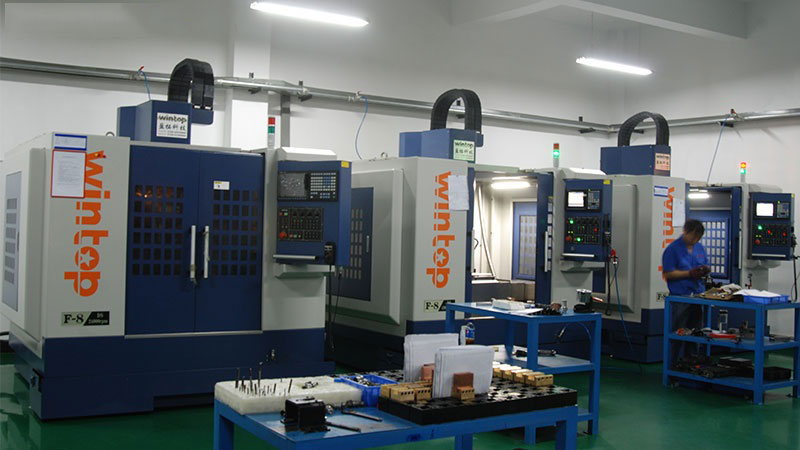
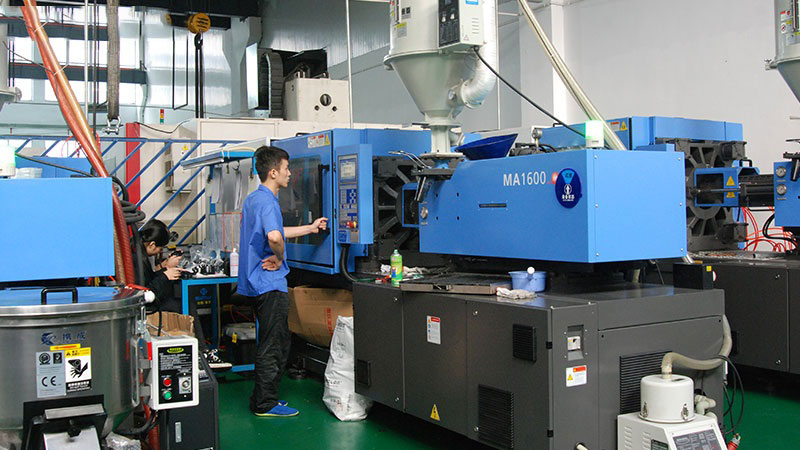
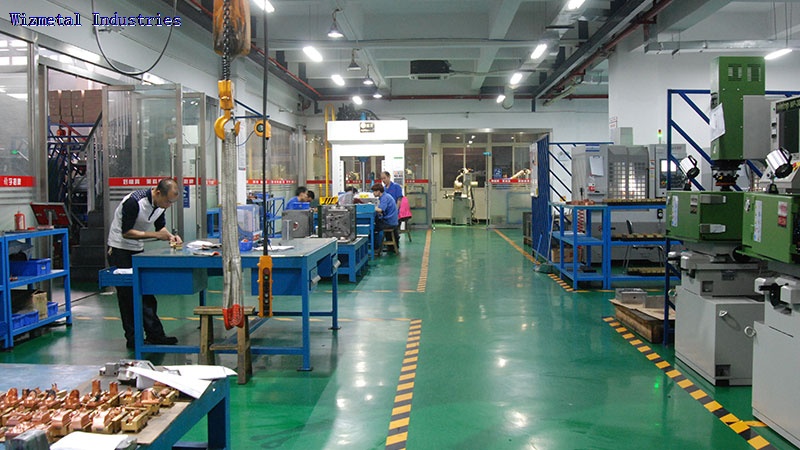
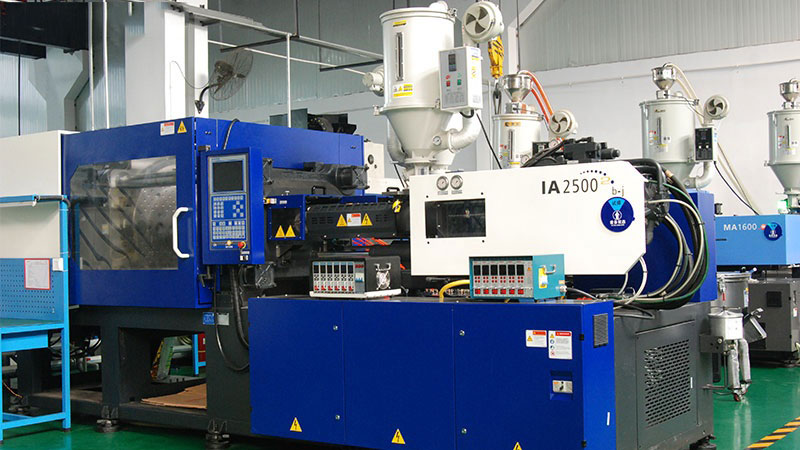
The first critical step is moving beyond Alibaba storefronts. In 2026, verification requires a multi-layered approach. Start with a thorough analysis of the supplier’s digital footprint: a detailed, professional website with technical case studies, active professional social media (LinkedIn), and possibly patents. However, true due diligence goes deeper. Insist on a live video tour of the facility. A credible **mold manufacturer** will readily show you their CNC machining centers, EDM machines, mold trial presses, and, crucially, their quality control lab with CMMs and other measuring equipment. Verify their export experience by requesting references from clients in your region or industry. Third-party verification reports from agencies like SGS or Bureau Veritas can also provide objective insights into their operational and quality management systems. This stage is about confirming capability and legitimacy before any technical discussion begins.
Mastering Technical Communication and RFQ Preparation
A precise, clear Request for Quotation (RFQ) package is your most powerful tool for receiving accurate and comparable quotes. Ambiguity here leads to cost overruns and delays later. Your package must include a fully detailed 3D product model (STEP or IGS format), 2D technical drawings with GD&T (Geometric Dimensioning and Tolerancing) callouts, material specifications for both the mold and the final plastic part, and expected annual volumes. Clearly state all critical cosmetic and functional requirements. When discussing the project, use shared screens and markups on drawings during video calls. Consider hiring a bilingual engineering consultant or using a sourcing agent with technical mold knowledge to bridge terminology gaps. Effective communication ensures the China mold factory fully understands your expectations, allowing them to provide a realistic quote and timeline.
Implementing Robust Quality Control and Inspection Protocols
Quality cannot be inspected into a mold; it must be built into the process. Define your quality control milestones contractually. Standard checkpoints include a Critical Design Review after mold flow analysis, a First Article Inspection (FAI) report with dimensional results from the finished mold, and a pre-shipment sample approval using parts from the actual mold trial. For high-value tooling, plan for at least one in-process inspection, often performed by a trusted third-party inspection company based in China. They can visit the factory during key stages—such as after core/cavity machining or mold assembly—to verify dimensions and surface finish against your drawings. This proactive approach identifies issues early, when they are less costly to correct, and holds the supplier accountable to the agreed standards. Clear quality protocols are your primary risk mitigation strategy.
Navigating Logistics, IP Protection, and Payment Terms
The final hurdles are administrative but vital. For Intellectual Property (IP) protection, a well-drafted Non-Disclosure Agreement (NDA) and Product Development Agreement (PDA) governed by a neutral jurisdiction are essential. While enforcement can be challenging, these documents establish legal intent and seriousness. For payment, avoid extreme terms. A balanced structure like 30-40% deposit, 40-50% after pre-shipment sample approval, and 10-20% balance after receipt is common. Use secure payment methods like Letters of Credit (L/C) or escrow services for added security. Finally, discuss Incoterms 2020 with your supplier and freight forwarder. For molds, FOB (Free On Board) is typical, giving you control over shipping and insurance. Ensure the mold is properly crated for ocean freight and that all documentation (commercial invoice, packing list, bill of lading) is accurate to avoid customs clearance delays in your country.
Conclusion
Importing an injection mold from China in 2026 demands a disciplined, informed approach centered on partnership and process control. Success is achieved not by finding the cheapest vendor but by systematically verifying, communicating with, and managing a capable supplier. By investing time in thorough supplier verification, preparing impeccable technical documentation, enforcing staged quality inspections, and securing your transaction, you transform the inherent complexities of overseas procurement into a competitive advantage. The right China mold factory becomes a true extension of your engineering and production team, delivering quality tooling that drives your product’s success for years to come. Let this guide be your blueprint for building that successful partnership.
Work With Us
As a professional China mold manufacturer, we provide one-stop mold solution for overseas buyers.
📞 Phone: +86-18605944639
💬 WhatsApp: +8618605944639
🌐 Website: bestmoldworks.com
📧 Email: [email protected]