For overseas buyers, sourcing precision tooling is a critical strategic decision that directly impacts product quality, time-to-market, and overall cost. China remains the global epicenter for mould manufacturing, offering an unparalleled combination of scale, technological advancement, and competitive pricing. However, navigating this vast and complex landscape requires updated knowledge and a systematic approach. This ultimate guide for 2026 provides actionable, professional insights to help you successfully identify, verify, and partner with reliable mould manufacturers in China, ensuring your procurement process is efficient and your investment is secure.
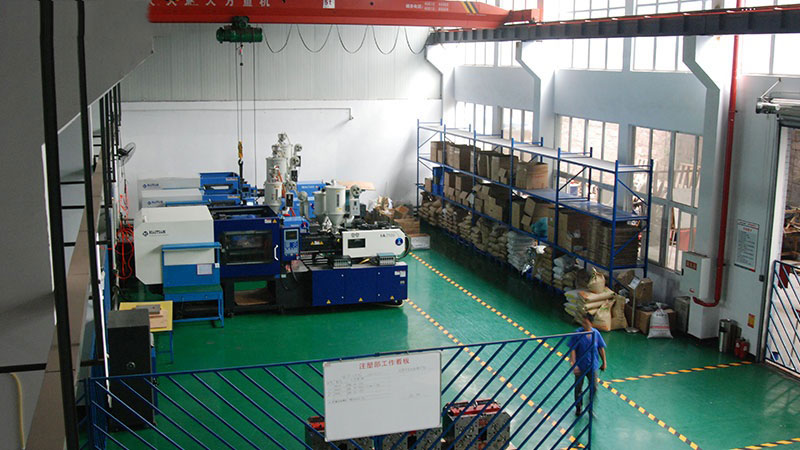
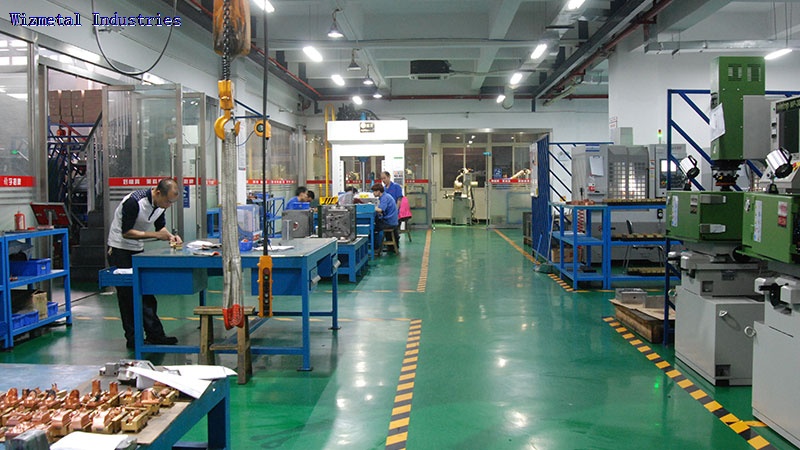
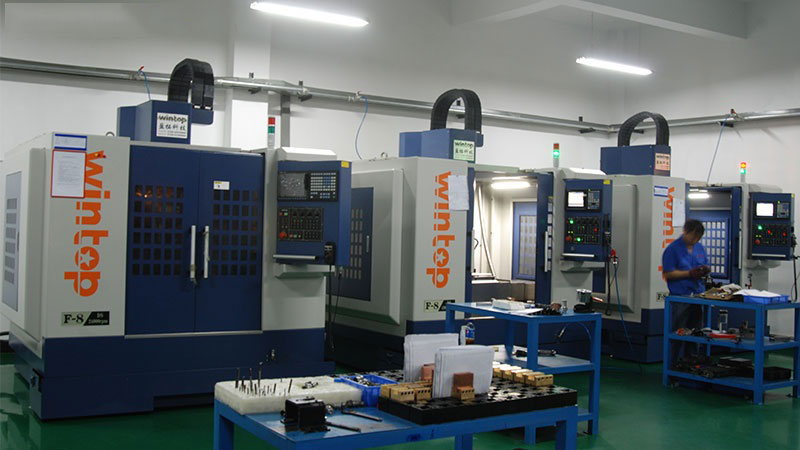
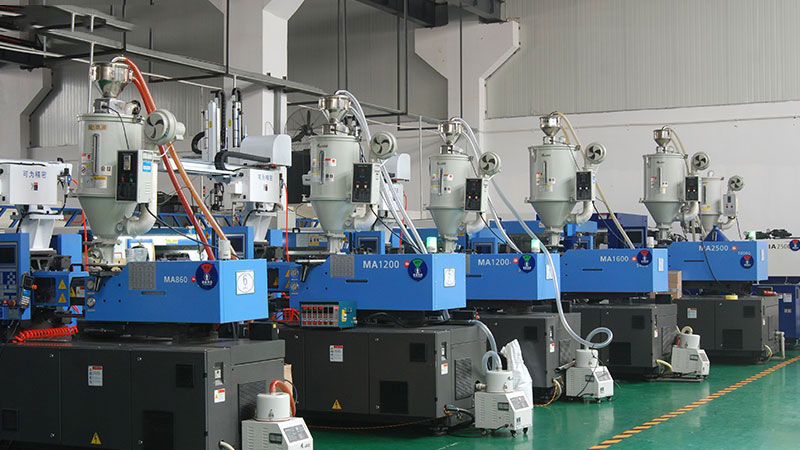
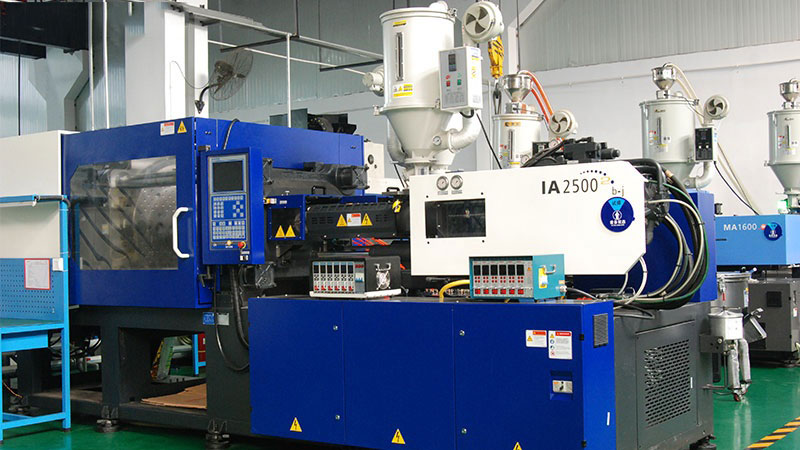
The foundation of a successful import project lies in precise supplier identification and rigorous verification. Moving beyond simple online directories is crucial. Begin by clearly defining your project specifications: mold type (such as injection mold, blow mold, or die-casting mold), material, expected lifespan, tolerances, and volume. Use this clarity to target specialized China mold factory clusters; for instance, precision automotive molds are concentrated in Jiangsu, while large-scale consumer product injection molds are prevalent in Zhejiang and Guangdong. Utilize B2B platforms not just for listings, but to analyze a manufacturer’s project portfolio and client history. The verification step is non-negotiable. In 2026, due diligence must include checking official business licenses via Chinese government portals, requesting and validating ISO 9001 and IATF 16949 certifications for automotive work, and conducting a thorough review of past client references, preferably with direct contact to international customers. A virtual factory tour via video call has become a standard expectation, offering a real-time view of facilities, machinery brands (like Haitian, Engel, or Fanuc), and workshop organization.
Once a potential partner is shortlisted, mastering the technical and commercial negotiation phase is where significant value is captured or lost. Communication of technical requirements must be exhaustive. Provide comprehensive 3D CAD files (STEP or IGES), 2D drawings with GD&T standards clearly marked, and a detailed specification document covering steel grade (e.g., P20, H13, S136), surface finish requirements, cooling line layout, and ejection system design. Discuss and agree upon a stage-gate payment schedule that is fair and ties payments to clear milestones: typically 30-40% upon order confirmation, 30-40% after T1 sample approval, and the balance before shipment. Crucially, invest in a prototype or T0 sample phase. This allows for testing with the actual production material before the mold is finalized. Ensure your contract explicitly covers ownership of all design and tooling IP, warranty terms for workmanship and lifespan (often measured in shots for an injection mold), and protocols for handling design changes, including cost and timeline implications.
Proactive and structured quality control is the single most effective strategy to avoid costly defects and delays. Do not assume quality; inspect it at defined intervals. For overseas buyers, implementing a multi-stage QC protocol is essential. This should include a Data Review of the mold design (DFM report) and steel material certificates, an In-Process Inspection (IPI) during critical machining stages like EDM and polishing, often facilitated by a trusted third-party inspector or your agent, and a Final Pre-Shipment Inspection (PSI). The PSI is critical: it must involve a sample trial run at the China mold factory using production parameters. Measure the first article samples against your CAD models and drawings, checking dimensions, weight, and appearance. Document everything with high-resolution photos and video of the mold function and sample production. This evidence is vital for final approval and creates a clear record for any warranty claims.
The final logistical and partnership phase determines how smoothly the mold integrates into your production. Professional mold handling and packaging are often overlooked. Insist on a robust export crate with proper desiccants to prevent rust during maritime transport. Discuss Incoterms 2020 clearly; FOB is common, but DAP might offer more simplicity. Ensure all shipping documents, including a detailed commercial invoice, packing list, and certificate of origin, are accurate. The relationship with your chosen mould manufacturers in China should not end at shipment. A reliable partner will provide comprehensive documentation: a final 3D CAD file of the as-built mold, a detailed maintenance manual, and a list of spare parts like cores and ejector pins. Establish a channel for ongoing technical support. Discuss their policy for mold repair, refurbishment, and modifications. Building this long-term collaborative relationship transforms a transactional supplier into a strategic extension of your engineering team, which is invaluable for future projects and continuous improvement.
Successfully importing molds from China in 2026 is a disciplined process of strategic sourcing, technical clarity, rigorous verification, and proactive quality management. The competitive advantage gained from accessing China’s manufacturing ecosystem is substantial, but it must be approached with professionalism and thorough preparation. By following this guide—focusing on deep supplier verification, unambiguous communication, staged quality control, and fostering a partnership beyond the transaction—you significantly mitigate risk. The goal is to move beyond merely finding a vendor to building a productive alliance with a capable China mold factory. This partnership will not only deliver a high-quality injection mold or other tooling for your current project but will also establish a reliable foundation for your future procurement and product development needs.
Work With Us
As a professional China mold manufacturer, we provide one-stop mold solution for overseas buyers.
📞 Phone: +86-18605944639
💬 WhatsApp: +8618605944639
🌐 Website: bestmoldworks.com
📧 Email: [email protected]