For overseas buyers, sourcing custom manufacturing components like silicone molds presents a significant opportunity for cost efficiency and specialized production. China remains the global epicenter for mold manufacturing, offering unparalleled scale and expertise. However, navigating this complex market requires a strategic approach to mitigate risks and secure a reliable supply chain. This guide is designed as your actionable, no-fluff manual for successfully procuring from silicone mould manufacturers in China in 2026, focusing on practical steps from verification to final quality assurance.
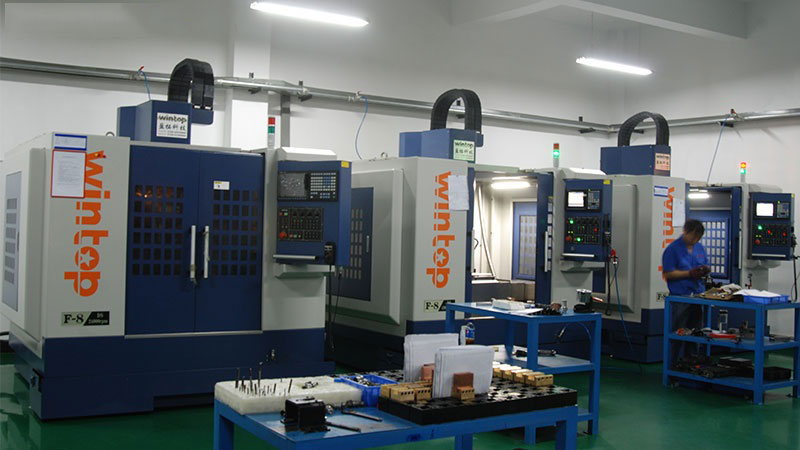
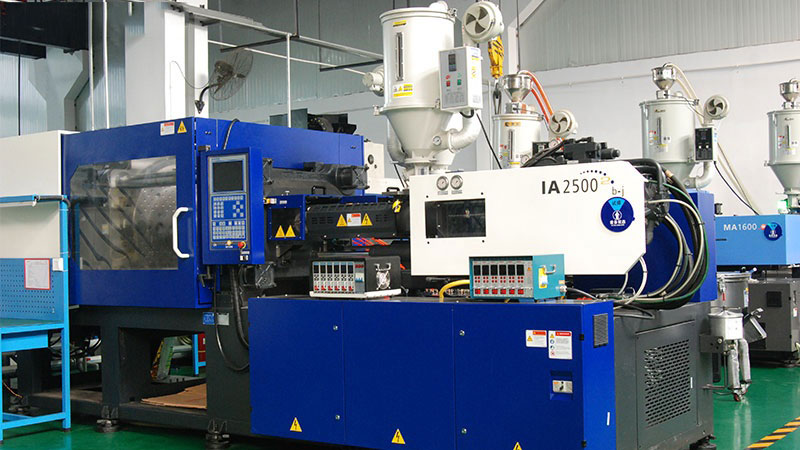
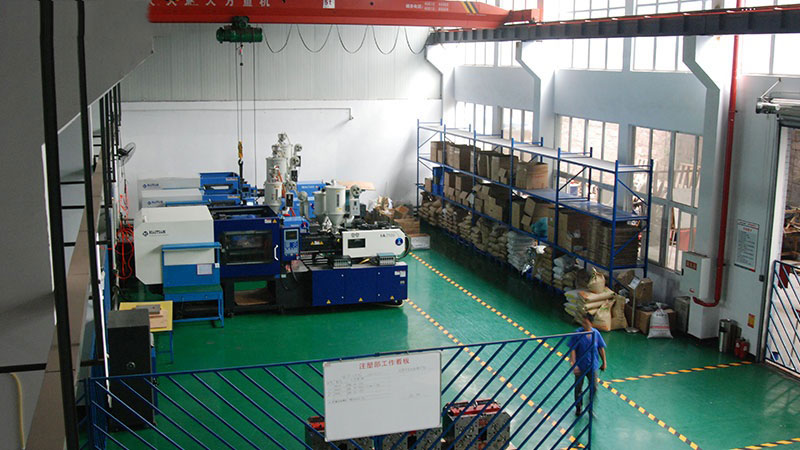
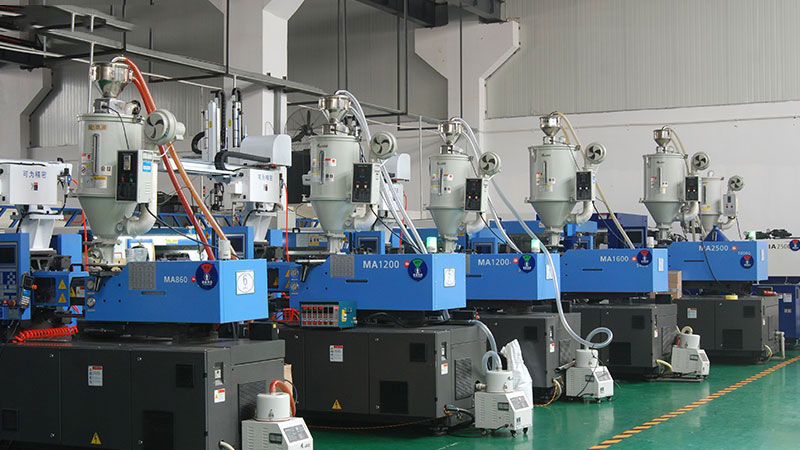
The foundation of a successful import project lies in meticulous supplier verification. The term “China mold factory” can encompass anything from a highly automated facility with ISO certifications to a small workshop with limited capabilities. Begin your search on comprehensive B2B platforms, but use them as a starting point for deeper due diligence. Prioritize manufacturers who specialize in silicone or rubber molds, as their material science knowledge differs from those focused solely on hard plastic injection mold production. Request a detailed company profile, ask for a virtual factory tour via video call, and verify business licenses. Crucially, check their export experience by asking for references from existing overseas clients. A reputable supplier will be transparent and proactive in providing this information, establishing the trust necessary for a long-distance partnership.
Once you have shortlisted potential partners, defining your technical specifications with absolute clarity is non-negotiable. Ambiguity at this stage is the primary cause of costly errors. Provide comprehensive 2D drawings and 3D CAD files with all critical dimensions, tolerances, and draft angles clearly defined. Specify the exact type of silicone the mold is intended for (e.g., HTV, RTV, LSR) and the expected production lifecycle (number of shots). Detail the intended casting material, as molds for resin, concrete, or food-grade applications have different requirements. Discuss post-processing needs such as surface finish (textured, polished) and any secondary operations. This precise documentation becomes the binding technical agreement, ensuring all quoted prices are based on identical requirements and protecting you during the quality control phase.
The procurement process from Chinese manufacturers hinges on a well-structured request for quotation (RFQ) and a clear understanding of commercial terms. When sending your RFQ to multiple silicone mould manufacturers in China, ensure all receive the same technical package to enable a fair comparison. Analyze quotes not just on unit price, but on the breakdown: mold base cost, cavity cost, trial run charges, and payment terms. Be wary of quotes that seem abnormally low, as they often indicate corner-cutting on material quality or craftsmanship. Standard payment terms might involve a 30-50% deposit with the balance paid before shipment. For new relationships, consider using secure payment methods like Letters of Credit (L/C) or escrow services offered by some platforms. Furthermore, explicitly confirm who handles logistics and incurs shipping, insurance, and import duty costs—commonly known as Incoterms like FOB or EXW.
Implementing rigorous quality control (QC) is the most critical step to ensure your investment yields a functional, durable product. Do not treat the pre-shipment sample as a mere formality. Develop a QC checklist that includes dimensional accuracy using coordinate measuring machine (CMM) reports if possible, material certification for the mold steel and silicone, surface finish inspection, and a live trial run. The trial run, where the mold is used to produce a batch of sample parts, is essential. These samples should be tested to your product’s performance standards. For high-value orders, hiring a third-party inspection company in China to conduct an on-site inspection during the trial run is a highly recommended investment. They can objectively verify the mold’s performance and factory conditions, providing a final layer of assurance before the mold leaves the factory.
Effective communication and project management will determine the smoothness of your entire procurement journey. Overcome language barriers by using clear, simple English in all written communications and confirming understanding on key points. Utilize diagrams and mark-up drawings to clarify issues. Establish a single point of contact at the supplier and agree on regular update schedules, including photo or video updates of key production milestones like material arrival, machining, and assembly. Be mindful of the time zone difference and plan overlapping hours for real-time discussions. A professional and engaged approach from your side sets expectations and encourages a higher level of service from your chosen China mold factory, fostering a collaborative rather than purely transactional relationship.
Successfully importing from silicone mould manufacturers in China in 2026 demands a blend of diligent research, precise communication, and proactive quality management. The landscape is competitive, and the most reliable partners are those who value transparency and long-term collaboration as much as you do. By systematically executing the steps of supplier verification, detailed specification, commercial clarity, and uncompromising quality control, you transform the perceived complexity of overseas procurement into a structured, manageable process. This disciplined approach not only secures a high-quality mold for your immediate needs but also builds a valuable supply chain asset for future projects, ensuring your competitiveness in the global market.
Work With Us
As a professional China mold manufacturer, we provide one-stop mold solution for overseas buyers.
📞 Phone: +86-18605944639
💬 WhatsApp: +8618605944639
🌐 Website: bestmoldworks.com
📧 Email: [email protected]