Navigating the landscape of custom plastic mold manufacturing in China presents a significant opportunity for cost savings and quality production. However, for overseas buyers, the journey from concept to a finished, reliable injection mold can be fraught with complexity. A clear understanding of the factors influencing custom plastic mold cost is not just about budgeting; it’s about risk management, value engineering, and building a sustainable supply chain. This guide for 2026 cuts through the noise to provide you with a professional, actionable framework for your procurement process, ensuring you partner with the right China mold factory to achieve both economic and quality objectives.
Understanding the Core Drivers of Your Investment
Before engaging any supplier, you must understand what you are paying for. The custom plastic mold cost is not a single line item but a composite of several critical factors. First, part design complexity is paramount. A mold for a simple enclosure is vastly different from one for a multi-material medical component with undercuts and tight tolerances. Complexity increases engineering time, requires more sophisticated machining (like EDM or 5-axis milling), and often demands higher-grade materials. Second, mold size and cavitation directly correlate to material and machining hours. A larger, multi-cavity mold produces more parts per cycle but requires a larger steel block and more extensive toolpaths. Third, the choice of mold steel (e.g., P20, H13, Stainless Steel) impacts durability, cycle life, and corrosion resistance, which is crucial for materials like PVC. Finally, surface finish requirements—from a simple texture to a high-gloss polish—add significant manual labor. A detailed, standardized RFQ packet that specifies all these elements is your first step toward receiving comparable and accurate quotations.
Strategic Supplier Verification: Beyond the Quotation
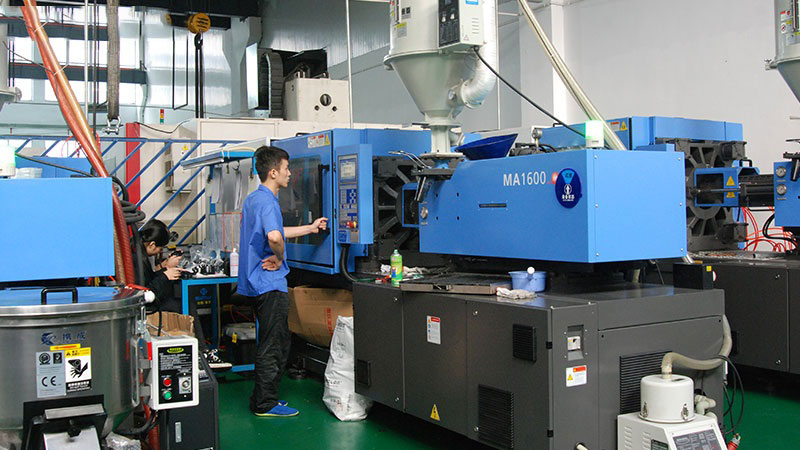
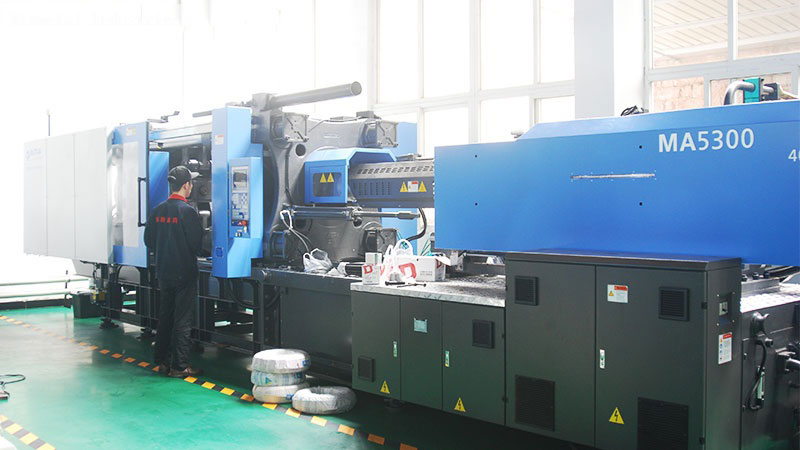
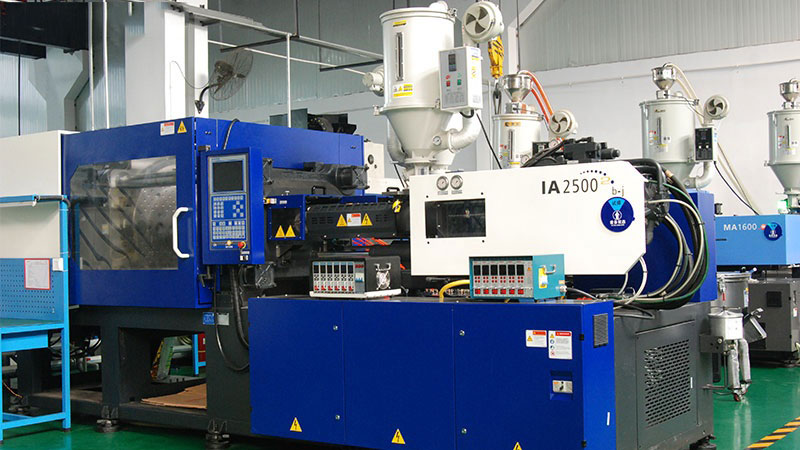
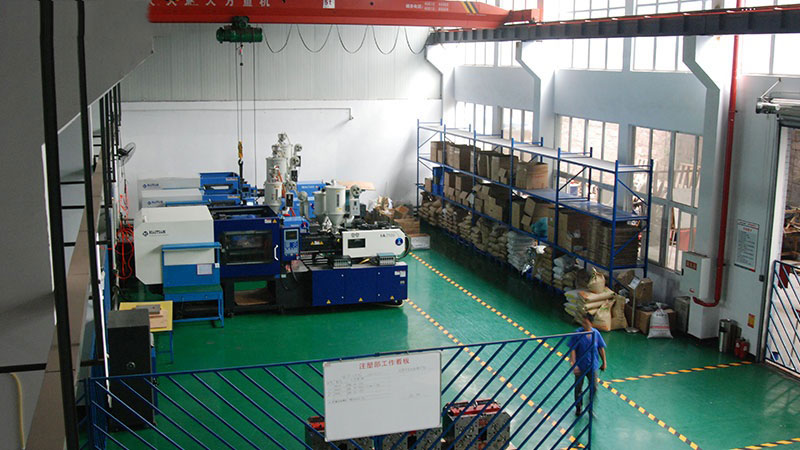
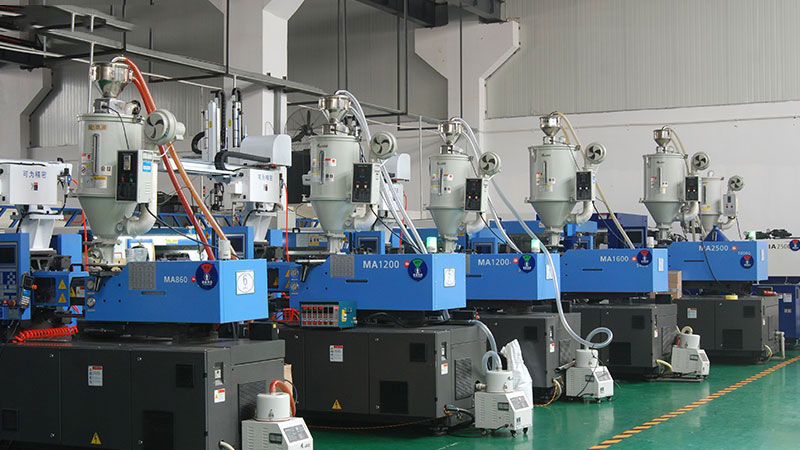
In 2026, finding a manufacturer is easy; finding a reliable partner is the challenge. The lowest quoted custom plastic mold cost can be the most expensive mistake if it leads to tool failure or production delays. Supplier verification must be multi-layered. Begin with a deep due diligence: verify business licenses, export history, and online presence. However, true verification goes deeper. Insist on a video conference for a virtual factory tour; observe the shop floor organization, the machinery (look for Swiss, German, or Japanese CNC and EDM machines), and the quality control stations. Request and contact past overseas clients for references. Crucially, evaluate their engineering capability. A competent China mold factory will proactively offer Design for Manufacturability (DFM) feedback, potentially simplifying your part to reduce cost and improve manufacturability without compromising function. This collaborative engineering phase is where a good supplier adds immense value, often saving you money long before tooling begins.
Implementing Proactive Quality Control Gates
Quality cannot be inspected into a mold; it must be built into the process. Your procurement strategy must include defined Quality Control (QC) gates at critical milestones. This is non-negotiable for protecting your investment. Standard practice involves at least three key stages. First, a pre-production inspection of the raw mold steel material to certify its grade. Second, a First Article Inspection (FAI) when the mold is first assembled. This should involve 3D scanning of the mold cavity and core against your CAD model and the production of initial sample parts for dimensional and functional verification. Third, a Trial Run Report from a production-grade injection molding machine, documenting process parameters and part quality. For high-value projects, consider engaging a local third-party inspection company to conduct these checks on your behalf. This layered QC approach provides objective evidence of progress and ensures any discrepancies are caught and corrected early, when the cost of change is lowest.
Navigating Logistics and Total Cost of Ownership
A comprehensive view of cost extends beyond the supplier’s invoice. The total cost of ownership for your injection mold includes logistics, maintenance, and potential future modifications. Discuss Incoterms clearly with your supplier—EXW, FOB, or CIF—as this determines where your responsibility and risk begin. For EXW (Ex Works), you will need to arrange freight forwarding, customs clearance, and insurance, which requires expertise but can offer more control. For FOB, the supplier delivers the mold to the port, and you handle the sea freight. Ensure you understand all documentation required for smooth customs clearance in your country. Furthermore, discuss mold maintenance and warranty. A reputable supplier will provide a warranty period (e.g., 1-2 years or a certain number of cycles) against manufacturing defects. Clarify the process for spare parts (like replacement cores or ejector pins) and the potential cost for future mold modifications. Building these considerations into your initial agreement prevents unexpected expenses and ensures a longer, more productive life for your tooling.
Building a Partnership for Long-Term Success
The most successful import relationships in 2026 view the initial mold procurement as the beginning of a partnership. Clear, consistent communication is the bedrock. Establish a single point of contact on both sides who is technically proficient. Use collaborative project management tools to share drawings, DFM reports, and inspection photos. Understand and respect cultural differences in business communication, but insist on professional transparency regarding timelines and challenges. A reliable supplier is an asset for your entire product lifecycle, capable of supporting production runs, managing inventory, or developing next-generation tools. By investing time in building this relationship, you transform a transactional cost center into a strategic extension of your manufacturing capability.
Conclusion
Importing custom plastic molds from China in 2026 demands a blend of technical knowledge, diligent process management, and strategic relationship building. By thoroughly understanding the factors that influence custom plastic mold cost, executing rigorous supplier verification, enforcing staged quality control, and planning for the total cost of ownership, you de-risk your investment significantly. The goal is not merely to find the cheapest option, but to secure the optimal value—a high-quality injection mold from a trustworthy China mold factory that delivers reliability, performance, and a strong foundation for your product’s success in the global market. Let this guide be your blueprint for a confident and profitable procurement journey.
Work With Us
As a professional China mold manufacturer, we provide one-stop mold solution for overseas buyers.
📞 Phone: +86-18605944639
💬 WhatsApp: +8618605944639
🌐 Website: bestmoldworks.com
📧 Email: [email protected]