Author: moldcustomization

  • Custom Silicone Mold with Logo: Best Suppliers & Qualit 2026

    For overseas buyers and product developers, creating a unique branded item often starts with a custom component. A custom silicone mold with logo is a fundamental tool for producing consistent, branded parts, from kitchenware and baking mats to industrial gaskets and promotional items. Sourcing these molds directly from China offers significant advantages in cost and scalability, but the procurement journey requires strategic navigation to ensure quality and reliability. This guide provides actionable insights for international buyers looking to partner with the best Chinese suppliers in 2026, focusing on practical steps for verification and quality control.

    The foundation of a successful import project is identifying and vetting the right China mold factory. Not all manufacturers specialize in silicone or possess the expertise for detailed logo integration. Begin your search by moving beyond generic B2B platforms. While they are a starting point, prioritize suppliers with a dedicated portfolio showcasing silicone mold projects, especially those with logo or texture work. Examine their technical capabilities: do they offer 3D design support, CNC machining for the mold master, and vacuum casting or liquid injection molding (LIM) for production? A professional supplier will transparently discuss the differences between compression and injection mold for silicone, guiding you to the most cost-effective and quality-appropriate method for your volume. Initial communication should be technical and detailed; a responsive factory that asks pertinent questions about your logo’s depth, draft angles, and intended material (e.g., food-grade, high-temperature) is a positive early indicator.

    Once a shortlist is formed, rigorous supplier verification is non-negotiable. In 2026, digital verification tools are more accessible than ever. Request a virtual factory tour via video call to inspect their workshop, machinery, and cleanliness standards—critical for silicone molding. Ask for and contact specific past clients, preferably from your region, for references. Verify business licenses and export credentials. Crucially, discuss their quality control framework upfront. A reputable partner will have a documented QC process with defined checkpoints: raw material certification for silicone rubber, first-article inspection (FAI) of the initial mold, and dimensional checks on sampled parts using CMM or 3D scanning to ensure the logo is crisp and accurately replicated. This due diligence mitigates the primary risk in overseas procurement: the disconnect between promised and delivered quality.

    Effective quality control is an active, collaborative process, not a passive hope. For your custom silicone mold with logo, define clear, measurable standards in your purchase agreement. This should include technical drawings with tolerances for the logo’s dimensions, a approved material spec sheet, and physical samples for color matching. Insist on a pre-production sample from the actual production mold before full order fulfillment. During production, schedule critical inspection stages. Many third-party inspection services in China can perform during-production (DUPRO) and final random inspection (FRI) on your behalf, checking for defects like air bubbles, incomplete logo filling, and contamination. This hands-on approach to quality control ensures the batch meets your brand’s standards, protecting your investment and reputation.

    Managing the procurement and logistics chain efficiently is the final step to a seamless import experience. A professional China mold factory will offer comprehensive support from design-for-manufacturability advice to shipping. Be clear on incoterms; FOB is common, giving you control over your chosen freight forwarder. Understand the lead times realistically, factoring in design iteration, mold trials, and sample approvals. For the mold itself, discuss packaging—molds are precision tools and require secure, often custom-crated, packaging for ocean freight. For ongoing production of silicone parts, consider the supplier’s capacity for consistent material sourcing to avoid color or hardness variation across batches. Building a relationship with a supplier that manages this end-to-end process transparently transforms a complex import operation into a streamlined supply chain extension.

    Securing a high-quality custom silicone mold with logo from China in 2026 is a highly achievable goal with a methodical approach. The landscape favors informed buyers who leverage verification tools and insist on transparent quality partnerships. By focusing on specialized suppliers, conducting thorough factory audits, implementing staged inspections, and managing logistics with clear agreements, you can reliably access the cost and manufacturing advantages of the Chinese market. The result is a precise, brand-enhancing tool that enables scalable production, turning your unique product vision into a consistent commercial reality. Your success hinges not on finding the cheapest option, but on partnering with a capable and communicative China mold factory committed to being a long-term extension of your quality standards.

    Work With Us

    As a professional China mold manufacturer, we provide one-stop mold solution for overseas buyers.
    📞 Phone: +86-18605944639
    💬 WhatsApp: +8618605944639
    🌐 Website: bestmoldworks.com
    📧 Email: [email protected]
  • china mold supplier: Ultimate Guide for Buyers 2026

    Navigating the landscape of manufacturing in China can be a highly rewarding venture, offering significant cost advantages and access to extensive manufacturing expertise. For businesses looking to source custom tooling, finding a reliable china mold supplier is the critical first step that determines the success of your entire production line. The process, however, is fraught with potential pitfalls—from communication gaps and quality inconsistencies to logistical hurdles. This guide is designed to cut through the noise and provide you with a clear, actionable, and professional roadmap for your procurement journey in 2026. We will focus on practical strategies for supplier verification, effective communication, and robust quality control to ensure your project’s success from the initial quote to final delivery.

    Conducting Thorough Supplier Verification and Qualification

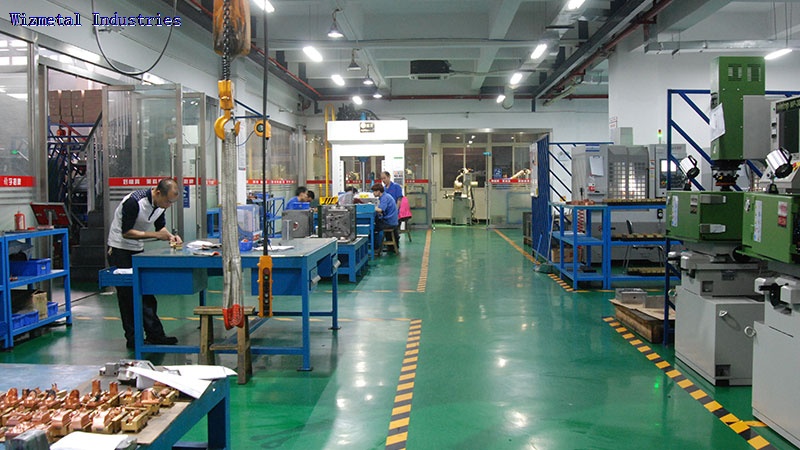
    The foundation of a successful import project is a thoroughly vetted partner. Moving beyond a simple Alibaba search is imperative. Start by identifying a potential China mold factory with a specialized focus that matches your needs, whether that’s small precision components, large automotive parts, or specific materials. Scrutinize their online presence: a professional website with detailed case studies, technical blog posts, and clear organizational information is a positive indicator. Request a business license (via platforms like Tianyancha) and verify their export history. Crucially, insist on a video tour of their facility. A live walkthrough allows you to assess their machinery (e.g., CNC, EDM, CMM), workshop organization, and engineering team in real-time. This step alone can filter out trading companies masquerading as manufacturers and reveal the true operational capability of your potential partner.

    Mastering the Technical and Commercial Quotation Process

    A clear and detailed Request for Quotation (RFQ) is your most powerful tool for obtaining accurate and comparable bids. Simply sending a 3D file is insufficient. Your RFQ package should include comprehensive mold specifications: steel grade (e.g., P20, H13, Stainless), cavity life expectancy (number of shots), tolerances, surface finish requirements (SPI standards), and part material (e.g., ABS, PP, PC). Include expected annual volumes, as this influences mold design and maintenance plans. When you receive quotes, analyze them line by line. Be wary of prices that seem too good to be true; they often indicate cheaper materials, outdated machinery, or hidden costs. A professional china mold supplier will provide a breakdown that includes mold cost, trial sample cost, lead time, payment terms, and warranty details. Use this stage to gauge their responsiveness and technical questioning—a good factory will ask clarifying questions to ensure they fully understand your project.

    Implementing Proactive and Multi-Stage Quality Control

    Quality control cannot be an afterthought; it must be integrated into every phase of the mold manufacturing process. Relying solely on a final inspection is a high-risk strategy. Instead, work with your supplier to establish defined Quality Control (QC) checkpoints. These typically include a design review (DFM report), first article inspection after key machining stages, and a pre-shipment inspection. For critical projects, engaging a local third-party QC agency for an in-process inspection provides an unbiased assessment. The mold trial (T1) is the most critical milestone. Be prepared to send a representative or hire a local agent to witness the trial run. This allows for real-time evaluation of the first-shot parts, discussion of any flow lines, sink marks, or ejection issues, and immediate collaboration on adjustments. A transparent supplier will welcome this collaborative approach to QC.

    Navigating Logistics, IP Protection, and After-Sales Support

    Finalizing the mold is only part of the journey. Ensure you have a clear agreement on intellectual property (IP) protection, typically in the form of a Non-Disclosure Agreement (NDA) and a contract stating that all design and tooling rights belong to you upon final payment. Discuss logistics upfront—will the supplier handle export formalities (Incoterms like FOB are common), or will you need a freight forwarder? Consider shipping and insurance for high-value tooling. Finally, clarify the after-sales support structure. What is the warranty period for workmanship and materials? How are repair requests or maintenance handled? A reliable partner will provide spare parts, detailed mold maintenance manuals, and be available for ongoing support, ensuring the longevity and performance of your injection mold.

    Conclusion

    Importing molds from China in 2026 demands a strategic, informed, and hands-on approach. The potential for cost savings and quality output is immense, but it is unlocked through diligent partner selection and proactive project management. By prioritizing in-depth supplier verification, mastering the RFQ process, implementing staged quality control, and securing clear terms for logistics and after-sales support, you transform a complex procurement challenge into a streamlined and successful operation. The ultimate goal is to build a long-term, transparent relationship with a China mold supplier who acts as a true extension of your engineering team. With this guide as your framework, you are equipped to make confident decisions and leverage China’s manufacturing prowess to drive your product’s success in the global market.

    Work With Us

    As a professional China mold manufacturer, we provide one-stop mold solution for overseas buyers.
    📞 Phone: +86-18605944639
    💬 WhatsApp: +8618605944639
    🌐 Website: bestmoldworks.com
    📧 Email: [email protected]
  • custom plastic injection moulding company: Reliable M 2026

    For overseas buyers, the decision to import molds from China represents a significant strategic advantage, offering unparalleled cost efficiency and manufacturing scale. However, the path to a successful partnership is often obscured by concerns over supplier reliability, communication barriers, and quality consistency. As we look toward 2026, the landscape is evolving, and finding a truly reliable custom plastic injection moulding company requires a modern, diligent approach. This guide cuts through the noise to provide actionable strategies for securing a partnership that ensures precision, durability, and value for your investment.

    The foundation of any successful import project begins with rigorous supplier verification. Moving beyond a simple Alibaba listing is non-negotiable. Start by scrutinizing the manufacturer’s digital footprint. A professional custom plastic injection moulding company will have a detailed website showcasing engineering capabilities, machinery portfolios, and case studies relevant to your industry. Utilize third-party verification platforms to check business licenses and export credentials. Crucially, insist on a video conference tour of their China mold factory floor. This real-time view confirms the existence and condition of CNC centers, EDM machines, and injection molding presses, separating trading companies from genuine manufacturers. Request contact information for two or three of their existing overseas clients, and take the time to conduct discreet reference checks regarding communication and project management style.

    Once a potential partner is verified, the focus must shift to precision in technical communication and design for manufacturability. Ambiguity in specifications is the primary cause of costly mold reworks. Develop comprehensive technical drawings using standard GD&T protocols and clearly specify material grades, cavity requirements, and expected cycle times. A reliable partner will engage in a Design for Manufacturability review, offering constructive feedback to optimize part design for the injection mold process, potentially simplifying geometry to reduce tooling complexity and cost. This collaborative engineering phase is your best indicator of their technical expertise. Clearly define all milestones and deliverables, including 3D mold flow analysis reports, mold design approvals, and sample submission protocols, ensuring both parties are aligned before tool steel is ever cut.

    Proactive and structured quality control is the critical link between a good prototype and consistent mass production. Do not leave QC as an afterthought. Integrate it into your contract. Specify the inspection stages: First Article Inspection after initial sampling, Dimensional Inspection during trial runs, and Pre-Shipment Inspection before the mold leaves the China mold factory. Define the inspection tools and methods, such as CMM reports for critical dimensions. Many reputable suppliers offer in-house QC labs; verify their equipment and consider engaging a trusted third-party inspection service based in China for an unbiased audit during the critical pre-shipment phase. This layered approach to quality control mitigates risk and ensures the injection mold meets all agreed specifications, preventing disputes and production delays upon arrival at your facility.

    The true test of a supplier’s reliability often comes after the procurement of the tooling. Discuss the long-term partnership framework upfront. A professional custom plastic injection moulding company will transparently outline their terms for mold maintenance, repair, and storage. Clarify ownership of the mold design and the physical tool. Understand their production capacity and lead times for future production runs. Evaluate their responsiveness and problem-solving approach during the sampling phase, as this foreshadows how they will handle issues during full-scale production. Establishing clear protocols for communication, order changes, and problem resolution builds a resilient supply chain for 2026 and beyond, transforming a transactional supplier into a strategic manufacturing partner.

    In conclusion, importing high-quality injection molds from China in 2026 demands a blend of diligent verification, technical collaboration, and embedded quality assurance. The journey from sourcing to successful production hinges on selecting a partner whose capabilities and business ethos align with your standards. By implementing these structured steps—thorough supplier verification, precise technical dialogue, rigorous quality control, and planning for the long term—you significantly de-risk the procurement process. The goal is to move beyond finding just a vendor, to securing a reliable China mold factory that delivers not only a precision injection mold but also becomes a cornerstone of your product’s quality and market success.

    Work With Us

    As a professional China mold manufacturer, we provide one-stop mold solution for overseas buyers.
    📞 Phone: +86-18605944639
    💬 WhatsApp: +8618605944639
    🌐 Website: bestmoldworks.com
    📧 Email: [email protected]
  • plastic mold: Complete Procurement Guide 2026 | China Mold Factory

    For global businesses, sourcing a high-quality plastic mold from China remains a cornerstone strategy for achieving competitive manufacturing costs without sacrificing capability. The Chinese mold-making industry continues to evolve, offering sophisticated engineering, advanced materials, and impressive lead times. However, for overseas buyers, navigating this complex landscape can be daunting. This guide is designed to cut through the noise, providing a professional, actionable roadmap for your procurement journey in 2026 and beyond. We will move from initial supplier identification to final delivery, equipping you with the knowledge to secure a reliable partnership and a superior injection mold.

    The foundation of a successful import project is selecting the right China mold factory. Moving beyond simple online directories is crucial. Begin with a detailed Request for Quotation (RFQ). A comprehensive RFQ should include not just part drawings, but also material specifications, expected annual volumes, tolerance requirements, surface finish expectations, and a target piece-part price. This filters out suppliers incapable of meeting your technical demands. Prioritize factories with proven experience in your specific industry, whether automotive, medical, consumer electronics, or packaging. Utilize video conferencing for virtual factory tours; insist on seeing their machining centers, EDM equipment, and, critically, their quality control lab. Verification steps should include checking business licenses, asking for client references from your region, and reviewing case studies of similar, complex projects they have executed. Remember, the cheapest quote for your plastic mold is often the most expensive in the long run.

    Once a potential partner is shortlisted, the design and engineering phase becomes the critical juncture for preventing costly errors. Engage in a collaborative Design for Manufacturability (DFM) review. A competent China mold factory will provide a detailed DFM report, highlighting potential issues with wall thickness, undercuts, gate locations, and ejection. This is where expertise in injection mold design truly adds value. Discuss mold flow analysis upfront. While it incurs an additional cost, this simulation predicts how plastic will fill the cavity, identifying potential defects like weld lines, air traps, or sink marks before steel is ever cut. Clarify all design ownership and confidentiality agreements at this stage. Ensure your final 3D model and 2D drawings are meticulously approved, as any subsequent changes will lead to change orders, delays, and increased costs. Clear, documented communication during this phase is your primary tool for alignment.

    A rigorous quality control protocol, implemented at staged milestones, is non-negotiable. Do not adopt a “wait-and-see” approach until final inspection. Define and agree upon Critical Control Points with your supplier. Typically, these include: first steel inspection (verifying material certificates), T1 sample approval from the initial mold trial, and a final pre-shipment audit. For the T1 samples, conduct a thorough dimensional inspection using your provided CMM data or coordinate measuring machine reports. Test the samples for form, fit, and function under real-world conditions. Evaluate the surface finish and discuss any required mold adjustments. Many buyers engage third-party quality inspection services in China for an unbiased assessment at these key stages. This proactive investment mitigates the severe risk of receiving a non-conforming plastic mold, which is far more costly to rectify after it arrives at your overseas production facility.

    The commercial and logistical framework of your order protects your investment. Be explicit in your purchase agreement about payment terms. A common and balanced structure is 50% deposit with order, 40% upon approval of T1 samples, and 10% before shipment. This aligns incentives and gives you leverage during the approval process. Incoterms 2020 must be clearly defined—FOB Shanghai is typical, transferring risk and responsibility to you once the mold is loaded on the vessel. Ensure the China mold factory provides a comprehensive mold data sheet, including maintenance instructions, spare parts list, and a detailed drawing of the mold itself. Arrange adequate marine insurance for the shipment. Finally, plan for the mold’s lifecycle. Discuss terms for warranty, repair, and the production of spare components like cores and ejector pins. A reliable supplier will support you throughout the tool’s lifespan.

    Successfully importing an injection mold from China in 2026 demands a shift from a simple purchasing transaction to a managed technical partnership. The process hinges on meticulous supplier verification, collaborative engineering, staged quality control, and clear commercial terms. By investing time in the front-end processes—DFM, mold flow analysis, and factory assessment—you dramatically increase the probability of a smooth project and a high-performance tool. The goal is to build a relationship with a Chinese mold manufacturer that is not just a vendor, but a seamless extension of your own engineering and production team. With this strategic, informed approach, you can fully leverage the expertise and cost-efficiency of China’s mold-making industry to strengthen your global product competitiveness.

    Work With Us

    As a professional China mold manufacturer, we provide one-stop mold solution for overseas buyers.
    📞 Phone: +86-18605944639
    💬 WhatsApp: +8618605944639
    🌐 Website: bestmoldworks.com
    📧 Email: [email protected]

  • custom injection molding companies: Ultimate Guide for 2026

    For overseas buyers, partnering with the right custom injection molding companies in China remains one of the most strategic decisions to achieve cost efficiency, scalability, and manufacturing agility. The landscape is evolving rapidly, with technological integration and shifting market demands defining the new era of procurement. This guide for 2026 cuts through the noise to provide a professional, actionable framework for identifying, vetting, and collaborating with premier Chinese mold factories to secure high-quality injection molds and parts. We focus on solving real-world problems in the sourcing journey, from initial supplier discovery to consistent production runs.

    The foundation of a successful import project lies in precise and professional supplier verification. The days of selecting a China mold factory based solely on a glossy website or a low quote are over. In 2026, due diligence is data-driven and multi-layered. Begin with a deep technical review. Request detailed case studies for projects similar in complexity, material, and volume to yours. A credible manufacturer will readily share these, often with notes on problem-solving. Subsequently, insist on a live video audit of their facility. This is non-negotiable. Use this virtual tour to inspect the workshop organization, the age and maintenance of machinery (look for modern CNC, EDM, and injection molding machines), and the in-house quality control stations. Crucially, engage their engineering team in a technical discussion about your product. Their questions will reveal more about their expertise than any sales pitch. This process filters out traders and low-capacity workshops, directing you toward true professional partners.

    Once a potential partner is identified, mastering the technical and commercial dialogue is critical. Your Request for Quotation (RFQ) package must be comprehensive to avoid costly misunderstandings. Include not just a 3D file, but a fully defined product specification: material grade (including color and regulatory certifications like FDA or UL), critical dimensions and tolerances, surface finish requirements (SPI standards), and expected annual volumes. Be clear about part testing and validation protocols. When quotes arrive, analyze them beyond the bottom line. Scrutinize the mold flow analysis offered—a top-tier injection mold supplier will provide this to predict and prevent filling issues, warpage, and sink marks. Discuss mold steel selection (such as pre-hardened 718H or corrosion-resistant S136) and cavity life expectancy. Transparency in these areas separates proactive engineering partners from mere job shops. Remember, the cheapest mold often becomes the most expensive project due to downtime, poor part quality, and short tool life.

    Implementing rigorous, staged quality control is the single most effective strategy to mitigate risk. For 2026, integrate QC checkpoints directly into your procurement timeline and contract. Stage one is the Design for Manufacturability (DFM) review. A qualified China mold factory will provide detailed DFM comments, suggesting modifications that enhance moldability and durability without compromising design intent. Stage two is the First Article Inspection (FAI). Upon mold trial, demand comprehensive inspection reports with dimensional results, CMM data, and photos of shot samples. Many buyers now employ third-party inspection services at this phase for an unbiased assessment. Stage three involves pre-shipment inspections for production runs, using statistically significant sampling plans like AQL. Define clear acceptance criteria for cosmetic defects and dimensional accuracy. By owning the QC process and making payments contingent on these milestones, you ensure the injection mold and subsequent parts meet your standards consistently, protecting your brand reputation.

    Building a sustainable partnership requires navigating cultural and logistical nuances with foresight. Professional Chinese manufacturers respect clear, documented communication. Use detailed technical drawings and specifications as the contractual bedrock. Schedule regular update meetings to foster alignment and proactively address issues. Regarding logistics and intellectual property (IP), take definitive steps. A robust Non-Disclosure Agreement (NDA) and a product-specific mold ownership agreement are essential. Clarify incoterms—FOB is often preferred as it gives you control over shipping and insurance once the mold leaves the factory. For the mold itself, discuss maintenance, repair, and storage protocols. Will the supplier keep the mold and run production as needed? What are the costs? Planning for the entire lifecycle of your tooling, from creation to potential refurbishment, turns a transactional purchase into a strategic asset.

    The journey to import high-quality injection molds from China in 2026 demands a methodical, informed approach centered on verification, technical collaboration, and controlled quality. The most successful overseas buyers no longer see this as a simple purchase but as a critical investment in a manufacturing partnership. By applying the stringent supplier verification methods, engaging in deep technical dialogue, enforcing staged quality control, and establishing clear partnership frameworks outlined in this guide, you significantly de-risk your procurement process. The leading custom injection molding companies in China are those that welcome this level of scrutiny and collaboration, as it signifies a serious, long-term buyer. As you move forward, let this guide serve as your blueprint for transforming the complexity of international mold sourcing into a reliable, competitive advantage for your business.

    Work With Us

    As a professional China mold manufacturer, we provide one-stop mold solution for overseas buyers.
    📞 Phone: +86-18605944639
    💬 WhatsApp: +8618605944639
    🌐 Website: bestmoldworks.com
    📧 Email: [email protected]

  • custom plastic injection mold manufacturer: Ultimate G 2026

    Navigating the landscape of custom plastic injection mold manufacturing in China presents a significant opportunity for overseas buyers to achieve substantial cost savings and access world-class manufacturing capabilities. However, the journey from concept to a high-quality, production-ready mold involves complex steps, from supplier verification to stringent quality control. This guide is designed to cut through the noise and provide you with a clear, actionable roadmap for successfully partnering with a reliable China mold factory in 2026. We will focus on solving real procurement challenges, ensuring your project is built on a foundation of clarity, quality, and mutual success.

    The critical first step is moving beyond basic online directories and implementing a rigorous supplier verification process. A genuine custom plastic injection mold manufacturer will have a track record you can audit. Start by requesting detailed case studies that match your industry and part complexity. Insist on virtual or, if possible, in-person factory tours to assess their machinery, workshop organization, and engineering team. Crucially, verify business licenses and export credentials. In 2026, leveraging third-party inspection platforms for preliminary background checks is a standard best practice. Do not hesitate to ask for and contact past international clients. A transparent supplier will view this due diligence as a sign of a serious buyer, setting the stage for a professional relationship.

    Once a potential partner is identified, mastering the technical and commercial quotation process is essential. A professional China mold factory will not provide a meaningful quote from a simple 3D file alone. They will require a comprehensive mold specification document. This should include material type (e.g., ABS, PP), annual part volume, cosmetic requirements (texture, polish), tolerance standards, and expected cycle time. For overseas buyers, it is imperative that quotes clearly separate mold cost, sample cost, and unit part price. Ensure all terms are defined: Is the quote for a T1 sample, or does it include mold qualification and adjustments? Clarify payment terms—staggered payments linked to project milestones (e.g., 30% upon order, 40% after mold trial, 30% after sample approval) are standard and protect both parties. This clarity prevents costly misunderstandings later.

    The core of your project’s success lies in a proactive and detailed approach to design for manufacturability (DFM) and quality control protocols. A reputable custom plastic injection mold manufacturer will provide a formal DFM report before cutting steel. This collaborative document highlights potential issues in part design that could affect moldability, cost, or cycle time. As the buyer, you must review this meticulously. Concurrently, establish a quality control plan upfront. Define which critical dimensions require Coordinate Measuring Machine (CMM) reports from the first article inspection. Specify the material certification required (e.g., UL, FDA). Determine the sample approval process: how many pre-production samples will be provided, and what is the sign-off procedure? Instituting these protocols at the contract stage ensures quality is built into the process, not inspected in afterward.

    Managing logistics, intellectual property (IP), and long-term partnership dynamics are the final pillars of a successful import strategy. For logistics, understand Incoterms 2020; FOB is common, placing responsibility for shipping and insurance on you after the mold leaves the Chinese port. Use a reliable freight forwarder experienced in handling industrial equipment. Regarding IP protection, a well-drafted Non-Disclosure Agreement (NDA) and a product confidentiality clause within the manufacturing contract are your primary tools. For ongoing production, discuss post-sales support. What is the warranty on the injection mold workmanship? How are repair or maintenance issues handled? A forward-thinking supplier will see this as a partnership, offering transparent communication channels and support for future mold modifications or production runs, turning a single procurement into a valuable, long-term asset.

    In conclusion, importing a high-quality injection mold from China in 2026 demands a strategic blend of diligent verification, technical collaboration, and clear contractual governance. By treating the selection of your custom plastic injection mold manufacturer as a critical investment process—emphasizing in-depth supplier verification, co-developing DFM, enforcing rigorous quality control, and formalizing partnership terms—you transform perceived risks into manageable, standardized steps. The goal is not merely to find a vendor but to establish a collaborative partnership with a China mold factory that aligns with your quality standards and business objectives, ensuring your plastic components are produced efficiently, reliably, and to the highest specification for years to come.

    Work With Us

    As a professional China mold manufacturer, we provide one-stop mold solution for overseas buyers.
    📞 Phone: +86-18605944639
    💬 WhatsApp: +8618605944639
    🌐 Website: bestmoldworks.com
    📧 Email: [email protected]

  • plastic mold factory china: Best Suppliers & Quality C 2026

    For overseas buyers, sourcing from a plastic mold factory in China remains one of the most effective strategies to achieve significant cost savings and access advanced manufacturing capabilities. However, the journey from initial inquiry to receiving a flawless injection mold is fraught with potential challenges, from identifying credible partners to enforcing stringent quality standards. As we look toward 2026, the landscape is evolving, demanding more sophisticated procurement approaches. This guide cuts through the noise to provide actionable, professional advice for securing high-quality molds and building successful, long-term partnerships with Chinese manufacturers.

    The cornerstone of a successful import project is rigorous supplier verification. The term “China mold factory” encompasses a vast spectrum, from highly automated, vertically integrated giants to small, specialized workshops. Begin your search on comprehensive B2B platforms like Alibaba and Made-in-China, but treat these as directories, not vetting agencies. Use detailed RFQs (Request for Quotation) with preliminary technical drawings to gauge responsiveness and technical comprehension. The critical step is to move beyond online profiles. Insist on a live video tour of the production facility. A reputable plastic mold factory in China will readily agree, allowing you to assess their machinery (look for CNC, EDM, and CMMS equipment), workshop organization, and in-house capabilities. Verify business licenses and, for higher-value projects, consider a third-party verification service to confirm operational scale and legal standing. This upfront diligence mitigates the paramount risk of engaging with an unqualified partner.

    Once a shortlist of potential suppliers is established, mastering the technical and commercial negotiation phase is essential. A professional China mold factory will request comprehensive design files (typically in STEP or IGES format) to provide a meaningful quotation. Be wary of quotes that are significantly lower than the market average; this often signals the use of inferior materials, outdated machining, or hidden costs. The quotation should be broken down clearly: mold base steel grade (such as P20, 718, or S136), cavity and core material, number of cavities, expected cycle life, surface finish requirements, and all ancillary costs like T1 sample shipping. Crucially, define the prototyping and sampling process. The agreement must stipulate that the first article inspection (FAI) sample, produced from the finished mold on their injection molding machines, will be thoroughly inspected against your dimensional and aesthetic specifications before mass production or shipment. This stage is your primary leverage point for ensuring the tool is built correctly.

    Proactive and structured quality control is non-negotiable and is the defining factor separating successful importers from those facing costly rework. Do not assume quality; inspect and document it at every milestone. For overseas buyers, a multi-stage QC protocol is recommended. First, conduct a Data Check on the mold design before manufacturing begins. Second, implement a Pre-Shipment Inspection (PSI) when the mold is complete but still at the factory. This involves checking critical dimensions, mold movement, cooling lines, and surface polish. For high-value tools, an on-site inspection by your trusted agent or a third-party QC firm is invaluable. They can perform a sample trial run and use precision instruments like CMMs to validate part dimensions. Discuss and agree upon the QC checklist with your chosen plastic mold factory china at the contract stage. This aligns expectations and demonstrates your professional approach, encouraging them to prioritize your project. Remember, quality control is an investment, not an expense, directly protecting your downstream production.

    Building a sustainable partnership requires looking beyond a single transaction. The most successful procurement relationships are framed as strategic alliances. Clear, consistent communication is vital; consider appointing a single point of contact on both sides. Be transparent about your long-term production forecasts, as this can influence mold design for durability and future maintenance. Discuss post-sales support explicitly: What is the warranty period for workmanship and materials? How will they handle mold maintenance, repair, or modification requests? A forward-thinking supplier will view this as part of their service. Furthermore, stay informed on trends impacting the China mold factory sector in 2026, such as increased automation, the adoption of Industry 4.0 practices for mold monitoring, and a growing emphasis on sustainable manufacturing. Partners who invest in these areas are likely to offer greater consistency and innovation.

    In conclusion, importing injection molds from China in 2026 will reward those who combine traditional due diligence with modern, relationship-focused procurement strategies. The path to securing both best suppliers and uncompromised quality lies in systematic supplier verification, technically detailed contracting, relentless quality control, and a commitment to partnership. By implementing these actionable steps, overseas buyers can confidently navigate the market, turning the inherent challenges of global sourcing into a formidable competitive advantage. The goal is not merely to purchase a tool but to secure a reliable extension of your manufacturing capability, ensuring product quality and supply chain stability for years to come.

    Work With Us

    As a professional China mold manufacturer, we provide one-stop mold solution for overseas buyers.
    📞 Phone: +86-18605944639
    💬 WhatsApp: +8618605944639
    🌐 Website: bestmoldworks.com
    📧 Email: [email protected]

  • injection mold factory: Reliable Manufacturers Guide 2026

    For overseas businesses, sourcing an injection mold factory in China remains one of the most strategic decisions to achieve cost efficiency and scalable production. However, the journey from initial inquiry to receiving a perfect, production-ready mold is fraught with potential pitfalls. Miscommunication, hidden costs, and quality discrepancies can turn a promising procurement opportunity into a costly setback. This guide for 2026 cuts through the noise, providing a professional, actionable framework to identify, vet, and partner with a reliable China mold factory. Our focus is on solving real problems you face in the import process, ensuring your next project is built on a foundation of clarity and confidence.

    The cornerstone of successful procurement begins long before a request for quotation is sent. Comprehensive supplier verification is your first and most critical line of defense. In 2026, due diligence extends beyond a factory’s website. Start by verifying business licenses via official Chinese platforms and cross-referencing registration details. However, true verification is multi-dimensional. Prioritize manufacturers who readily provide virtual or recorded factory tours, showcasing not just their machinery but their workshop organization and safety standards. Scrutinize their portfolio for projects similar in complexity, material, and industry to yours. Furthermore, leverage professional networks and platforms to seek client testimonials and, if possible, contact past international clients directly. A reputable injection mold factory will have a documented track record of serving overseas buyers with transparency.

    Once a shortlist of potential partners is established, mastering the technical and commercial dialogue is essential. The clarity of your technical data package directly influences the accuracy of quotes and the final mold quality. Provide comprehensive 3D CAD files (STEP or IGS), 2D drawings with critical tolerances, and explicit material specifications for the final plastic part. Clearly state your expected production volume, as this determines the mold’s required lifespan and steel grade. During negotiations, dissect the quotation. Ensure it details mold base steel type, cavity and core material, surface finish, lead time, payment terms, and, crucially, what is included in the price. Key questions to ask include: How many trial shots are included? What is the protocol for design changes? Who owns the mold intellectual property? A professional China mold factory will welcome these questions and provide detailed, itemized responses.

    Proactive quality control, integrated from the start, is non-negotiable for import success. Agree on a staged inspection and communication protocol before the contract is signed. This should include regular photo and video updates at critical milestones: material procurement, mold base completion, cavity machining, and assembly. The First Article Inspection report is paramount. Insist on receiving actual T1 trial shot samples from the production material, along with a full dimensional report. For high-value or high-volume projects, consider engaging a local third-party quality inspection firm to conduct an on-site Pre-Shipment Inspection. This independent audit verifies workmanship, dimensions, and function before the mold leaves the factory. Effective quality control transforms the process from a black box into a collaborative, transparent journey, ensuring the final deliverable meets your specifications.

    The final phase—logistics, payment, and partnership—solidifies a transaction into a long-term relationship. Understand the Incoterms 2020. For mold procurement, FOB is common, but EXW or CIF may also be options; choose the term that aligns with your logistical control and cost structure. Ensure the injection mold factory provides all necessary export documentation correctly. Regarding payment, while wire transfers are standard, structure payments to mitigate risk. A common and balanced schedule is 30-50% deposit, 40-50% before shipment after approval of trial samples, and 10% retention after successful receipt and final verification. Finally, view a successful project as the beginning. A reliable partner will offer clear maintenance guidelines, warranty terms for workmanship and materials, and support for future mold modifications. This ongoing relationship is where the true value of a diligent sourcing process is realized.

    Sourcing from a Chinese injection mold factory in 2026 demands a blend of traditional procurement acumen and modern verification tools. The landscape is competitive, and the most reliable manufacturers distinguish themselves through transparency, communication, and systematic quality assurance. By implementing a rigorous process of supplier verification, precise technical communication, staged quality control, and clear contractual agreements, overseas buyers can transform the complexity of international procurement into a reliable competitive advantage. This guide provides the actionable framework to navigate your procurement with confidence, ensuring your partnership with a China mold factory is built for quality, efficiency, and long-term success.

    Work With Us

    As a professional China mold manufacturer, we provide one-stop mold solution for overseas buyers.
    📞 Phone: +86-18605944639
    💬 WhatsApp: +8618605944639
    🌐 Website: bestmoldworks.com
    📧 Email: [email protected]

  • custom injection molded parts: Ultimate Guide for Buy 2026

    Importing custom injection molded parts from China remains a cornerstone strategy for global businesses seeking to innovate competitively and control costs. As we move into 2026, the landscape is more sophisticated than ever. While the potential for value is immense, so are the pitfalls for the unprepared buyer. This guide cuts through the noise to provide a professional, actionable roadmap for overseas procurement. We will focus not on theoretical advantages, but on practical steps to secure high-quality, reliable production of your custom injection molded parts, ensuring your project’s success from the first drawing to the final shipment.

    Mastering Supplier Verification and Selection

    The foundation of a successful import project is a thoroughly vetted China mold factory. Moving beyond simple Alibaba listings is crucial for 2026. Start with a multi-layered verification process. First, scrutinize technical capabilities: do they have a portfolio of projects similar in size, complexity, and material to yours? Request and verify business licenses (via official Chinese platforms) and audit reports. Second, insist on direct video calls with engineering and project management teams, not just sales. Use this to assess communication clarity and technical understanding. Third, seek out and contact their existing overseas clients. A reputable supplier will provide references. Finally, consider a pre-qualification audit. Many third-party inspection firms offer supplier verification services, which can be invaluable for high-volume or critical components. This upfront diligence filters out subpar partners and aligns you with a manufacturer whose core competencies match your specific needs for both the injection mold and the subsequent production runs.

    Navigating the Technical and Commercial Procurement Process

    Clear communication of specifications is non-negotiable. Your Request for Quotation (RFQ) package must be comprehensive: include detailed 3D drawings (STEP, IGES) and 2D technical drawings (PDF, DWG) with GD&T, clearly stated material specifications (including resin grade and color standard), expected annual volumes, and cosmetic requirements (e.g., SPI finish standards). For the mold itself, define the expected lifespan (number of shots) and maintenance expectations. During quotation analysis, look beyond the unit price. Scrutinize the mold cost, payment terms (typically staggered across mold completion and production batches), lead times for both tooling and production, and Incoterms (FOB is standard, but understand all responsibilities). A professional China mold factory will provide a detailed breakdown and may suggest design for manufacturability (DFM) feedback—view this as a positive sign of engagement and expertise. Clarify all intellectual property protections in your contract before any payment is issued.

    Implementing Rigorous Quality Control from Design to Delivery

    Proactive quality control is your most powerful risk mitigation tool. It begins with the Design for Manufacturability (DFM) report. A competent supplier will analyze your design and suggest modifications to improve part strength, reduce warpage, and simplify the injection mold, potentially lowering cost and preventing future defects. Never approve tooling without first reviewing and approving the mold flow analysis. This simulation predicts how plastic will fill the cavity, identifying potential issues like air traps, weld lines, or insufficient packing before steel is cut. Upon mold completion, insist on a First Article Inspection (FAI). This involves sampling parts from the finished mold, measuring them against all critical dimensions on your drawing, and compiling a detailed report. For ongoing production, define an Inspection and Test Plan (ITP) that may include periodic dimensional checks, material certification reviews, and pre-shipment inspections. For critical components, consider engaging a local third-party quality inspector for key production milestones.

    Managing Logistics, Communication, and Long-Term Partnership

    The journey doesn’t end when the parts pass inspection. Efficient logistics and clear communication ensure your investment translates into a smooth supply chain. Understand your responsibilities under the agreed Incoterm. For most buyers, arranging freight forwarding from the Chinese port is standard. Build a relationship with a reliable forwarder experienced in handling industrial goods. Cultivate a single point of contact at your China mold factory but ensure you have access to the project manager and quality team. Use collaborative tools (shared cloud folders, project management software) to track drawings, revisions, and reports. Establish regular update schedules. View this relationship as a strategic partnership. A trustworthy supplier becomes an extension of your engineering team, capable of supporting design iterations, material changes, and volume scaling for years to come. Transparent communication about forecasts and challenges fosters mutual trust and can lead to continuous improvement and cost optimization over the product lifecycle.

    Conclusion

    Importing custom injection molded parts from China in 2026 demands a blend of technical diligence, structured procurement, and proactive partnership management. The cost advantage is a starting point, not the finish line. By executing a rigorous supplier verification process, mastering the technical procurement dialogue, implementing layered quality control from DFM to FAI, and managing logistics with professional foresight, overseas buyers can unlock exceptional value and reliability. The ultimate goal is to transform a complex overseas procurement challenge into a seamless, competitive advantage for your business. By following this strategic guide, you position yourself not just as a buyer, but as an informed partner, ready to build successful, long-term manufacturing relationships in the evolving Chinese market.

    Work With Us

    As a professional China mold manufacturer, we provide one-stop mold solution for overseas buyers.
    📞 Phone: +86-18605944639
    💬 WhatsApp: +8618605944639
    🌐 Website: bestmoldworks.com
    📧 Email: [email protected]

  • mold manufacturers: Professional Buying Guide 2026

    For overseas buyers, importing molds from China remains a strategic decision to balance cost, capability, and speed to market. However, the landscape is evolving rapidly. The old approach of simply finding the cheapest China mold factory is fraught with risk. In 2026, success hinges on a more sophisticated, verification-heavy procurement process. This guide is designed to cut through the noise and provide you with a professional, actionable framework for identifying, vetting, and partnering with reliable mold manufacturers in China. We will move beyond basic directories and focus on solving the real problems you face: ensuring technical competency, managing quality from afar, and building partnerships that deliver consistent value.

    The cornerstone of a successful import project is rigorous supplier verification. This step has moved far beyond checking a business license. Start with a deep-dive technical assessment. Request detailed case studies of molds they have built that are similar to yours in complexity, material, and volume. A professional mold manufacturer will be able to discuss gate design, cooling line layout, ejection strategies, and steel selection for your specific part. Utilize video calls to conduct virtual factory tours; insist on seeing the machining floor, EDM equipment, and, crucially, their quality control lab with CMMs and mold testing presses. Verify their export experience by asking for references from clients in your region and checking their history on platforms like Global Sources or Made-in-China.com, paying close attention to long-term client relationships. This due diligence filters out traders and workshops incapable of meeting international standards.

    Once a potential partner is identified, defining the scope with crystal clarity is non-negotiable. Ambiguity here is the primary cause of cost overruns and delays. Your Request for Quotation (RFQ) package must be comprehensive. It should include not just 3D part files (STEP or IGS) and 2D drawings with critical tolerances, but also specifications for mold steel (e.g., pre-hardened 718H vs. stainless 420), surface finish requirements (SPI standards), lifecycle expectations (number of shots), and the intended injection molding machine parameters. Clearly state all deliverables: are you buying just the injection mold, or does the quote include mold flow analysis, a sample batch of parts, and a comprehensive inspection report? The most professional Chinese mold factories will provide a detailed, line-item quotation, allowing you to understand what you are paying for and avoid hidden costs later.

    Proactive quality control, integrated from the very beginning, is what separates successful imports from costly failures. Do not treat QC as a final inspection step. Insist on a staged inspection protocol with documented milestones and photo/video evidence. Key stages include: a design review after mold flow analysis, a first article inspection (FAI) of the mold base and core/cavity inserts before heat treatment, a T1 sample trial with detailed dimensional report, and a final pre-shipment audit. Consider engaging a trusted third-party quality inspection service located near the factory for the critical T1 sample and pre-shipment checks. Their objective report on part dimensions, surface finish, and assembly function is invaluable. Furthermore, discuss the factory’s own process control—how do they manage tool wear during machining, and what is their procedure for validating mold performance? A manufacturer that welcomes this structured oversight is typically confident in their work.

    The final phase, covering logistics and the foundation for future business, is often overlooked. Ensure you understand the Incoterms 2020 agreed upon. If you are responsible for shipping (like EXW or FOB), engage a freight forwarder experienced in handling delicate mold shipments. Molds should be crated in wooden boxes with proper desiccants and rust prevention. Discuss and agree on post-sales support terms before the order is placed. What is the warranty period? How are repair or modification costs handled? Will they store the mold design and program for future orders? Establishing these terms upfront prevents disputes and ensures a smooth production run. Building a relationship with a verified, high-quality China mold factory is an asset; your goal should be to transition from a one-time transaction to a strategic partnership where they become an extension of your engineering and production team.

    Importing molds from China in 2026 demands a blend of technical diligence and strategic relationship management. The path to success is no longer about finding the lowest bidder but about identifying the most capable and transparent partner. By implementing a thorough supplier verification process, defining project scope with precision, enforcing a staged quality control protocol, and formalizing logistics and support terms, you significantly mitigate risk. This professional approach transforms the complex procurement journey into a predictable, value-driven process. The right mold manufacturers in China are not just suppliers; they are technical collaborators capable of bringing your product to market efficiently and at a high standard of quality. Let this guide be your blueprint for building those essential partnerships in the year ahead.

    Work With Us

    As a professional China mold manufacturer, we provide one-stop mold solution for overseas buyers.
    📞 Phone: +86-18605944639
    💬 WhatsApp: +8618605944639
    🌐 Website: bestmoldworks.com
    📧 Email: [email protected]