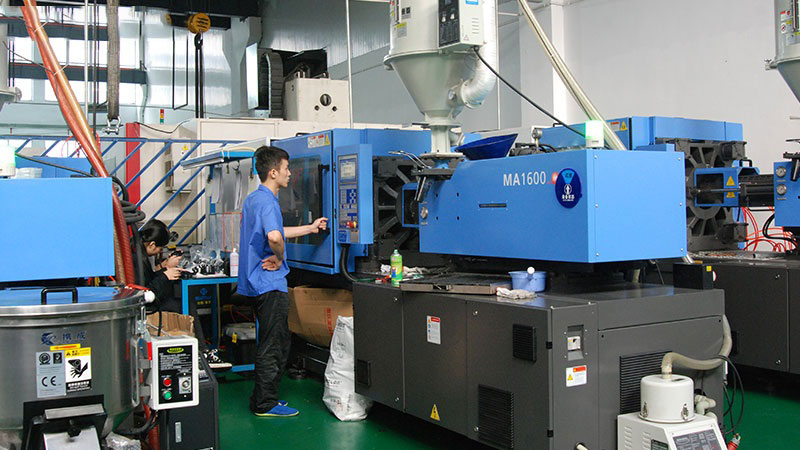
Navigating the landscape of China plastic mold manufacturing presents a significant opportunity for overseas buyers to achieve substantial cost savings and access advanced manufacturing capabilities. However, the journey from initial inquiry to receiving high-quality, production-ready molds is fraught with potential challenges. Missteps in supplier selection, communication, or quality assurance can quickly erode the anticipated benefits. This guide is designed to cut through the noise and provide you with actionable, professional strategies for 2026 and beyond. We will focus on solving real-world problems faced by international procurement teams, ensuring your partnership with a China mold factory is built on a foundation of clarity, quality, and mutual success.
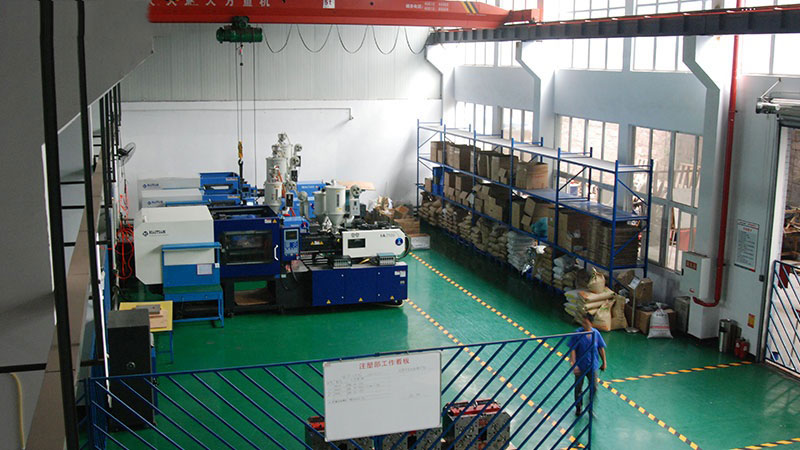
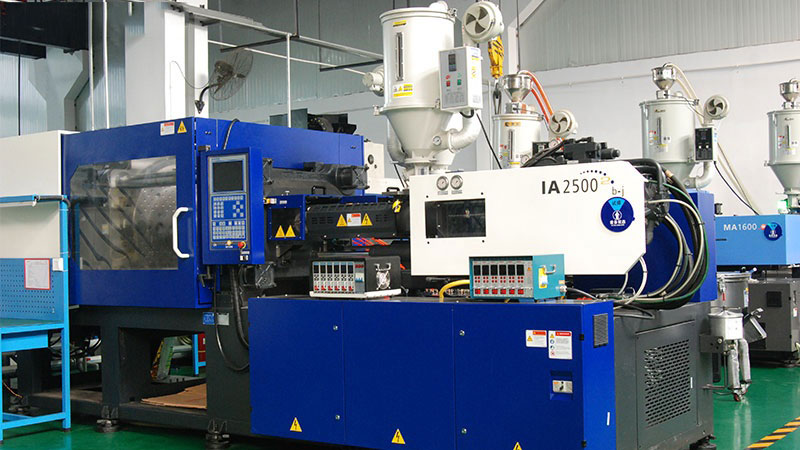
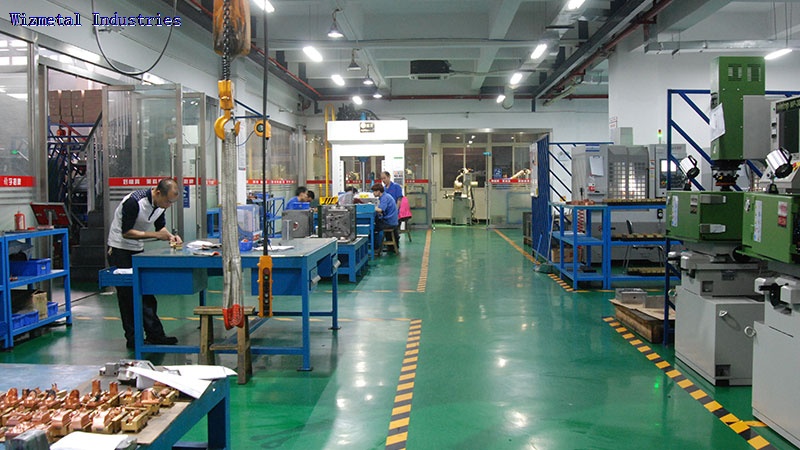
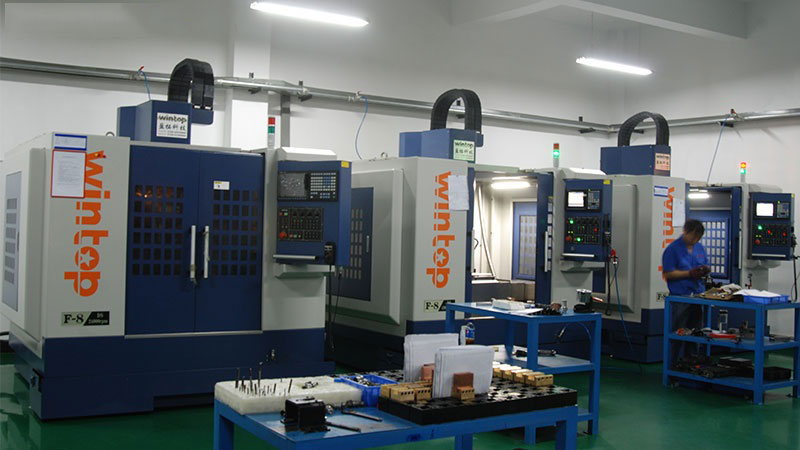
The cornerstone of a successful import project is rigorous supplier verification. In 2026, due diligence goes far beyond reviewing a glossy website. Start by verifying the manufacturer’s business license and export credentials. Then, move to technical validation. Request detailed case studies of past projects, specifically for injection molds similar to your intended product in complexity, material, and volume. Insist on a live video tour of their facility; this is non-negotiable. A reputable China plastic mold manufacturer will readily showcase their machining centers (look for Swiss, German, or Japanese CNC and EDM equipment), mold assembly areas, and testing capabilities. Pay close attention to their tool room organization and cleanliness—it is a direct indicator of their work culture and precision. Furthermore, ask for and contact 2-3 of their existing overseas clients. This step provides invaluable, unbiased insight into the supplier’s reliability, communication style, and post-sales support.
Once a potential partner is shortlisted, mastering the technical and commercial discussion phase is critical. The most common pitfall is an unclear Request for Quotation (RFQ). Your RFQ must be a comprehensive package including not just a 3D model (STEP or IGS format), but also a detailed specification sheet. This sheet should cover material selection (e.g., P20, H13, Stainless Steel), mold life expectancy (number of shots), cavity requirements, tolerances, surface finish (SPI standards), and part volume projections. Be explicit about your expectations for mold flow analysis reports before steel is cut. A professional China mold factory will use this analysis to predict and prevent filling issues, weld lines, and sink marks, ultimately saving time and cost. During price negotiations, understand the breakdown. A suspiciously low quote often means corners are being cut on steel quality, component standards, or engineering time. Agree on a transparent payment schedule (e.g., 30-50% deposit, 40% after T1 sample approval, balance before shipment) that aligns with project milestones.
Proactive and structured quality control is your primary defense against costly defects and delays. Do not assume quality will be managed; you must plan for it. Implement a staged inspection protocol. The first pre-shipment inspection should occur after the mold is assembled but before trial sampling. This checks for workmanship, conformity to design, and movement of sliders and lifters. The second and most crucial stage is the Trial Run (T1 Sample). Ideally, you or a hired third-party quality inspector should be present at the factory to witness the mold trial. Evaluate the first-shot parts against your master sample or CAD data. Test the mold for cycle time, automatic ejection, and consistency over a run of 50-100 shots. Document all findings with photos and videos. Clearly distinguish between critical issues that require mold modification and minor adjustments. Using a detailed sample approval form signed by both parties prevents future disputes. This hands-on approach to quality control during the manufacturing phase is far more effective than inspecting a finished mold upon arrival at your port.
The final phase—logistics, IP protection, and long-term partnership—solidifies the investment. Ensure you understand the Incoterms (typically EXW, FOB, or CIF) and who is responsible for freight, insurance, and customs clearance in your country. Proper mold packaging and crating are essential to prevent damage during ocean freight. Regarding Intellectual Property, a robust NNN Agreement (Non-Use, Non-Disclosure, Non-Circumvention) tailored to Chinese law is more effective than a standard Western NDA. Have it signed before disclosing any technical data. For long-term success, view your chosen china plastic mold manufacturer as a strategic partner. Provide clear feedback, pay invoices promptly, and discuss future projects. A trustworthy supplier invested in a lasting relationship will provide better pricing, prioritize your orders, and offer invaluable advice on design for manufacturability for future injection mold projects.
Importing molds from China remains a highly strategic move for businesses worldwide. The evolving landscape in 2026 demands a professional, diligent, and solution-oriented approach from overseas buyers. By implementing these expert tips—from deep supplier verification and precise technical communication to staged quality control and legal safeguards—you transform potential risks into a competitive advantage. The goal is to move beyond being just a buyer to becoming a valued partner to a capable China plastic mold manufacturer. This partnership, built on transparency and expertise, is the ultimate solution for securing high-quality, cost-effective molds that drive your product’s success in the global market.
Work With Us
As a professional China mold manufacturer, we provide one-stop mold solution for overseas buyers.
📞 Phone: +86-18605944639
💬 WhatsApp: +8618605944639
🌐 Website: bestmoldworks.com
📧 Email: [email protected]